
 Free delivery in Ukraine upon full payment of the order
  Return of goods within 14 days

Architectural Blouses: Sculpting Modern Style with Structured Silhouettes
Discover how design details – from voluminous sleeves to asymmetric pleats – transform an ordinary blouse into a focal point. Learn how to choose and style architectural blouses to create an expressive silhouette.
Architectural Blouses: Sculpting Modern Style with Structured Silhouettes
What is an 'Architectural' Blouse?
In the fashion world, where trends come and go, there are pieces whose value lies not in fleeting moments, but in design. An 'architectural' blouse is precisely such a wardrobe element. It is distinguished not by color or print, but by its cut: thoughtful details that create form, volume, and character. These can include voluminous sleeves, an asymmetrical hem, complex drapes, or structured pleats. Such a piece is not just a backdrop, but the central figure of an outfit, capable of telling a story without words.
By choosing a blouse with a complex cut, you are betting on the silhouette. It can correct proportions, add dynamism, or, conversely, bring softness and fluidity to the look. This is a conscious choice for those who appreciate not only beauty in clothing but also the idea embedded by the designer. It is these details that transform a simple item into a true stylistic statement.
The Language of Details: Voluminous Sleeves and Shoulder Lines
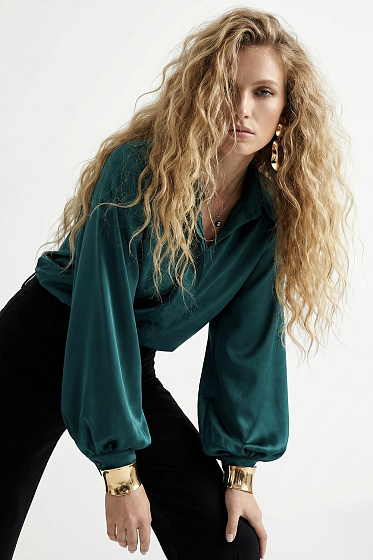
One of the most expressive architectural elements is the sleeves. Puffed sleeves, bishop sleeves, or lantern sleeves instantly transform the silhouette, making it more romantic and refined. They draw attention to the upper body, creating an interesting contrast with a minimalist bottom. Such a detail requires no additional embellishments, as it is an accent in itself.
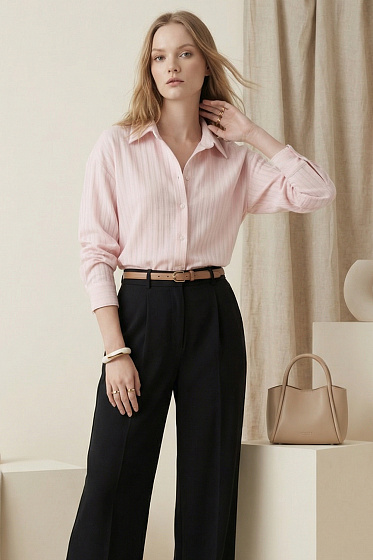
The Art of Folds: Pleating, Draping, and Asymmetry
Folds and drapes are tools with which a designer 'sculpts' fabric, giving it the desired shape and texture. They can be strict and graphic, like pleats on a classic shirt, or soft and flowing, creating a play of light and shadow. Asymmetry in the cut adds modernity and dynamism to the look, making it more complex and memorable.
The Role of Fabric in Creating Form
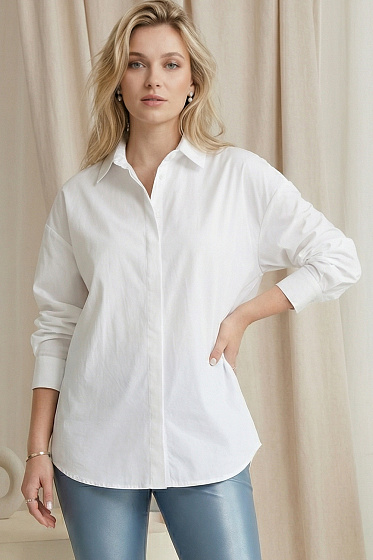
Architectural cut is inconceivable without the right fabric. The material determines how sharp the lines will be and how the volume will 'behave'. Dense cotton or poplin perfectly hold their shape, creating strict, graphic silhouettes. They emphasize every fold and cut line, making the look more structured.
At the same time, soft and flowing fabrics like silk, viscose, or blended 'double Armani' create smooth drapes and delicate volume. They soften sharp angles and add femininity to the look. For example, in the chocolate blouse, the light fabric allows the voluminous sleeves to fall beautifully, while in the white cotton shirt, the belt clearly defines the silhouette, creating an expressive waistline.
How to Style: Creating a Harmonious Look
The main rule when styling an architectural blouse is balance. Since the upper part of the outfit is already an accent, the bottom should be chosen to be as simple and minimalist as possible. Straight trousers, classic-cut jeans, a pencil skirt, or a flowing midi skirt will be ideal companions.
FAQ
How to avoid 'overloading' an outfit with a statement blouse?
Pair it with a minimalist bottom (straight trousers, pencil skirt, jeans) and simple accessories. Let the blouse be the main star of your outfit.
Are blouses with complex cuts suitable for the office?
Absolutely. Choose models in restrained colors – white, beige, dark blue. A structured cut combined with classic trousers or a skirt will create an elegant and professional look.
Which fabric best holds its shape in architectural blouses?
For sharp lines and volume, like voluminous sleeves or strict pleats, dense cotton or poplin are ideal. For soft drapes and flowing silhouettes, choose silk, viscose, or high-quality blended fabrics.
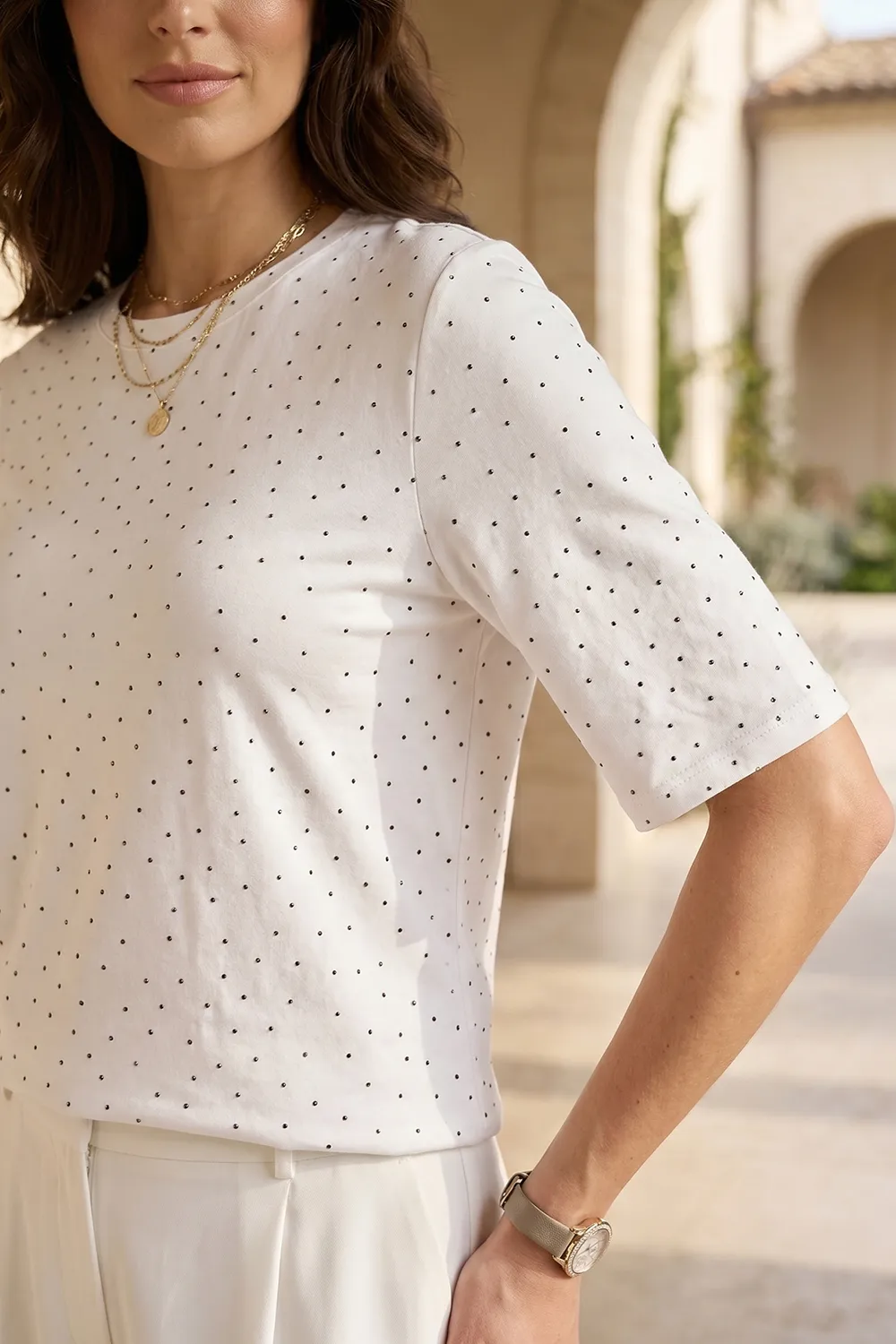 The Statement Top: How Unexpected Details Elevate Your Everyday Style
A practical editorial guide to wearing t-shirts, tops, bodysuit, longsleeves with more balance and repeatability.
The Statement Top: How Unexpected Details Elevate Your Everyday Style
A practical editorial guide to wearing t-shirts, tops, bodysuit, longsleeves with more balance and repeatability.
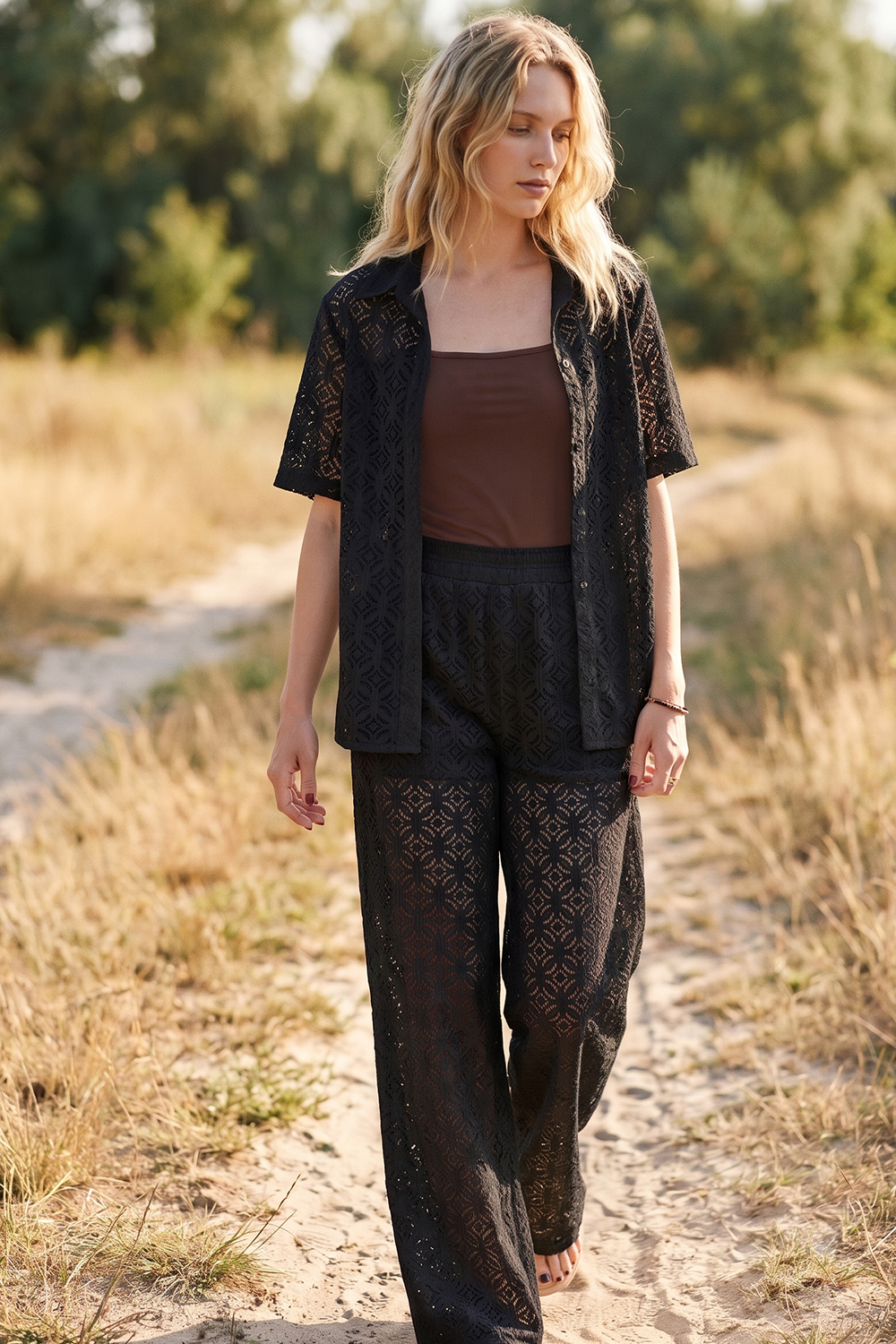 Sportswear's Urban Takeover: Elevating Everyday Style
A practical editorial guide to wearing sportswear with more balance and repeatability.
Sportswear's Urban Takeover: Elevating Everyday Style
A practical editorial guide to wearing sportswear with more balance and repeatability.
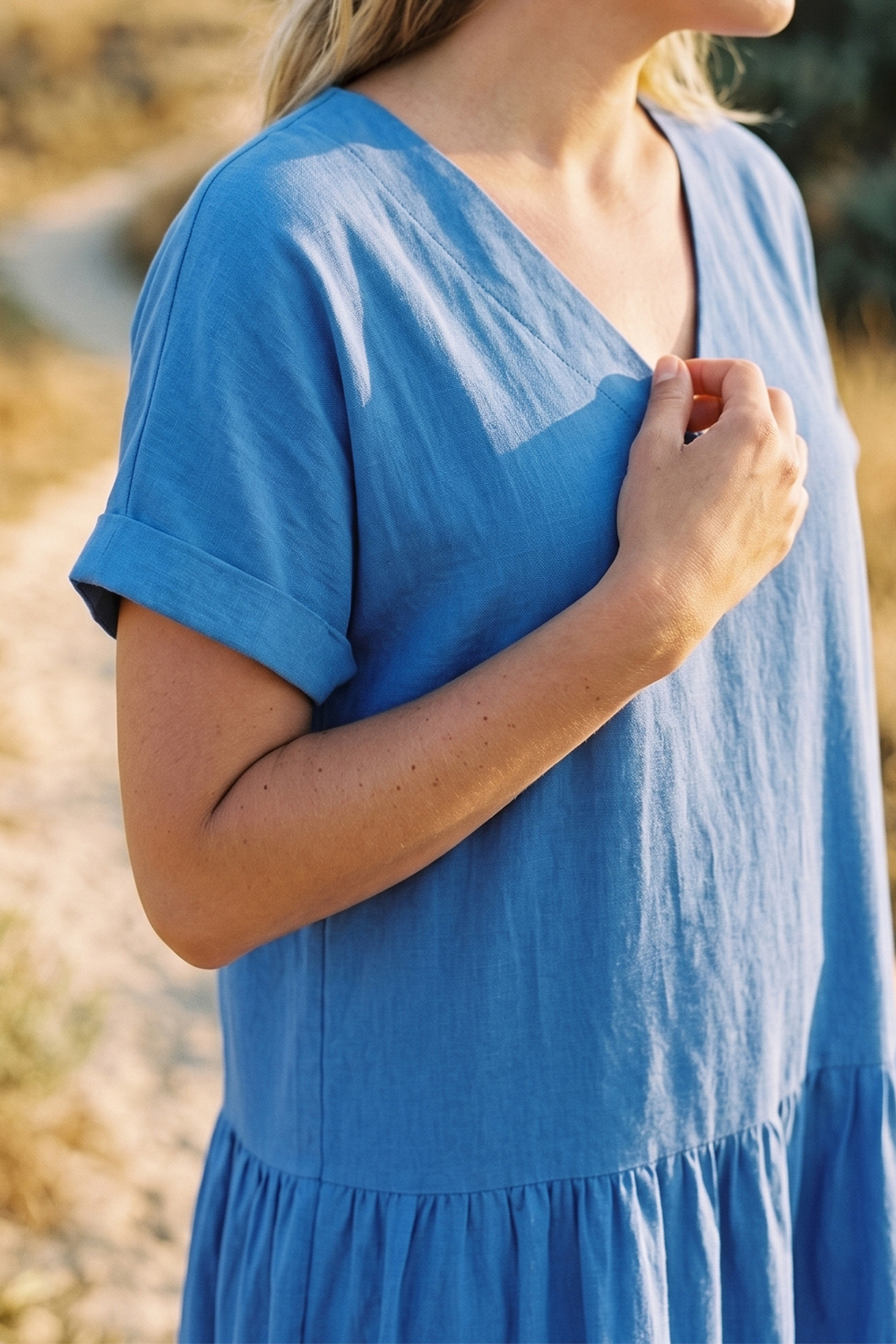 Achieving the Perfect Fit: A Guide to Dress and Jumpsuit Lengths
A practical editorial guide to wearing dresses and jumpsuits with more balance and repeatability.
Achieving the Perfect Fit: A Guide to Dress and Jumpsuit Lengths
A practical editorial guide to wearing dresses and jumpsuits with more balance and repeatability.