
 Free delivery in Ukraine upon full payment of the order
  Return of goods within 14 days

Trousers in the office: how to wear non-classic models and look professional
Forget the myth that an office wardrobe is boring and monotonous. Modern business style opens doors for experiments with color, cut, and texture, allowing you to look professional while expressing your individuality. But how to find a balance between trends and dress code requirements? In this ar...
Trousers in the office: how to wear non-classic models and look professional
The boundaries between casual and business style are becoming increasingly blurred. What was considered exclusively leisure wear yesterday is confidently penetrating office spaces today. This shift is due to many factors: from the influence of creative industries and the democratic culture of IT companies to the global desire for comfort and self-expression. Denim trousers without abrasions, bright culottes, flowing palazzo — the modern business wardrobe is much more diverse than the strict black-and-gray canon of the past. However, this freedom requires a more subtle sense of style and a deep understanding of the context. How to create an image that will be simultaneously comfortable, expressive, and appropriate for an important business meeting? The task is not to blindly follow fleeting trends, but to learn how to adapt them to the requirements of the professional environment, creating an elegant, modern, and confident image.Sportswear
What makes trousers «office-appropriate» in the modern world?
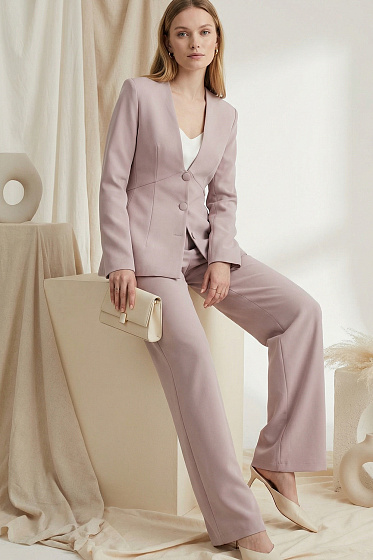
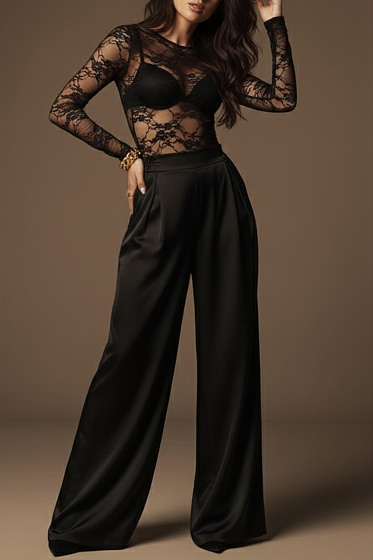
The key shift in the perception of business attire lies in moving from formal rules to assessing the overall impression. Today, what makes trousers «office-appropriate» is not a tag with the style name, but a combination of four fundamental factors: fabric quality, precision of cut, depth of color, and impeccable fit. Poorly sewn classic trousers made of cheap, wrinkle-prone synthetics will look less professional than perfectly fitting denim trousers made of dense dark denim without excessive decor. That is why it is important to pay attention to details that form the final image, conveying your attentiveness and respect for yourself and others.
Materialplays a decisive role. Smooth, dense fabrics with a matte or slightly satin texture always look more expensive and stricter. They hold their shape well, do not stretch at the knees, and create a clear, collected silhouette. Ideal options for the office are wool gabardine, crepe, high-quality suiting blends, dense cotton twill, or Tencel. Even if you choose a loose-fitting model, such as palazzo, high-quality fabric will ensure proper draping and prevent the look from appearing sloppy. This is a case where investing in the material pays off with the item's durability and the impression it creates.
Fit— the second pillar of a professional image. Trousers should fit perfectly: not too tight, but also not baggy. Pay attention to the waistband: it should lie flat on the waist or hips, without digging into the body or creating gaps at the back. The length of the trousers is critically important and depends on the style and the shoes you plan to wear them with. Classic straight trousers should reach the middle of the heel, while cropped models should reveal the narrowest part of the ankle.
Silhouette as the basis of a business image: from straight to palazzo
A correctly chosen silhouette can not only correct the figure but also set the tone for the entire outfit, conveying the desired mood — from strict composure to relaxed confidence.
Timeless classic: straight and tapered trousers
Classic straight trousers are a timeless foundation that easily adapts to any dress code. They create a clean vertical line, visually elongating the legs, and serve as a neutral background for more accentuating blouses, jackets, or accessories. The straight cut is versatile and suitable for most body types, making it a reliable choice for a basic wardrobe. Tapered cigarette trousers, in turn, look more modern and elegant, beautifully emphasizing the ankles. They pair wonderfully with both stiletto pumps and flat loafers or ballet flats.Jackets, suits
Experimenting with color within the classic cut can add freshness to the look without violating business etiquette. For example,a model from the selectionin a muted powdery shade become an interesting alternative to beige or gray models. Thanks to the strict style and high-quality suiting fabric, such a color does not look frivolous. When combined with a white silk blouse, a gray cashmere jumper, or a dark blue blazer, they will create an elegant and memorable, yet absolutely professional look.
Elegant freedom: palazzo trousers and culottes
Another relevant silhouette that has perfectly fit into business style is palazzo trousers. Their wide, flowing cut gives grace to movements and creates a feeling of luxury and relaxed confidence. The main condition for palazzo trousers in the office is the right fabric. It must be dense enough not to be see-through, and pliable enough to drape beautifully. Models made from materials like "Double Armani" are ideal for this purpose, as they combine softness and the ability to hold their shape. To prevent the silhouette from looking shapeless, it is important to emphasize the waist by tucking in a blouse or top, or by using a belt.
Wide trousers in deep, rich shades look especially noble. A model, likethe model from the selection, — is a great example of how comfort can be combined with elegance. Chocolate color is an excellent alternative to black: it is just as versatile, but softer and more interesting. Inverted pleats on the front create an additional vertical, and an elastic waistband provides comfort throughout a long workday, which is especially valuable when you have to sit a lot at a desk or move around the city between meetings.
Culottes — cropped wide trousers — are another modern option for the office. They require a careful approach to choosing the length (ideally, they should end mid-calf) and footwear. To avoid visually shortening the legs, culottes are best paired with heeled shoes or models with pointed toes.
Checklist: Choosing the Ideal Silhouette
- For a strict dress code:Straight trousers with creases, slightly tapered models (cigarette trousers) made of suiting wool or crepe.
- For smart casual:Palazzo trousers, culottes, straight trousers made of colored fabric, quality dark jeans without embellishments.
- To visually lengthen legs:Any high-waisted models, floor-length palazzo trousers, straight trousers with creases, monochrome looks.
- For comfort and freedom of movement:Palazzo trousers with an elastic waistband, models made of fabric with added elastane, straight-cut trousers made of soft fabrics.
Color in a Business Wardrobe: Going Beyond Black
Many still hesitate to use color in office wear, preferring the tried-and-true achromatic palette (black, white, gray). However, it is color that can make your wardrobe more vibrant, individual, and modern. The secret is to choose complex, muted, or deep shades. Instead of screaming pink — powdery or dusty rose. Instead of grassy green — olive, emerald, or khaki. Instead of bright orange — terracotta or rust. These colors are restrained enough for a business environment, yet they allow you to stand out and demonstrate subtle taste.Blazers
Rich dark tones, such as burgundy, dark blue, chocolate, or bottle green, are an excellent base for a business wardrobe. They easily combine with each other and with neutral colors (beige, cream, gray), creating expensive and well-thought-out combinations. Such colors add depth and character to the look, speaking to your attention to detail. An excellent stylistic technique is a monochrome outfit, composed of items of the same color but different textures (for example, smooth silk trousers and a voluminous cashmere jumper in the same shade).
Smart Casual: The Art of Balance
The smart casual style is perhaps the most widespread, yet also the most challenging format of office dress code to interpret. Its essence lies in the harmonious combination of formal and informal wardrobe elements. It's not just "dressy everyday wear," but a carefully considered look that demonstrates your professionalism without appearing too strict or conservative. This is where quality denim trousers, leather models, and other non-classic options find their place.
The key to a successful smart casual look is balance. If you choose a more relaxed bottom, for example, dark straight jeans without embellishment, then the top should be more formal: a perfectly tailored jacket, a silk blouse, or a cashmere jumper. Conversely, if you wear bright palazzo trousers, they can be “toned down” with a simple white T-shirt made of thick cotton and minimalist loafers. It is important that the outfit always includes at least one clearly “business” element – be it a jacket, formal shoes, or a structured bag. This element serves as an anchor that keeps the entire outfit within the professional aesthetic.
A comprehensive approach: what to combine non-classic trousers with
Trousers themselves are only half the story. The integrity and completeness of an outfit are created by companion pieces, shoes, and accessories. To create a professional image, combine non-classic trousers with basic but high-quality elements.
- Tops:These can be plain silk or cotton shirts, thin merino wool turtlenecks, cashmere jumpers in neutral shades. A simple but high-quality white T-shirt can also be appropriate in a less formal setting.
- Jacket:A blazer or jacket is the easiest way to instantly elevate the formality of any outfit. It structures the silhouette, giving the look a polished and complete feel. Even jeans paired with a well-fitting jacket look business-like.
- Footwear:Footwear and accessories complete the look and add the final touches. For the office, closed-toe shoes are best: pumps with a stable heel, loafers, oxfords, brogues, or elegant pointed-toe ballet flats. It is important that the shoes are clean and well-maintained.
- Accessories:The bag should be structured and hold its shape well. Minimalist jewelry made of quality materials (a thin chain, a watch, stud earrings) will emphasize your status and not distract attention. A good leather belt can pull the entire look together. Remember that in business style, every detail matters.
What to avoid: common mistakes in office style
Freedom of choice in modern dress code does not mean permissiveness. There are things that are categorically unsuitable for a professional environment, as they transmit incorrect signals.Suits
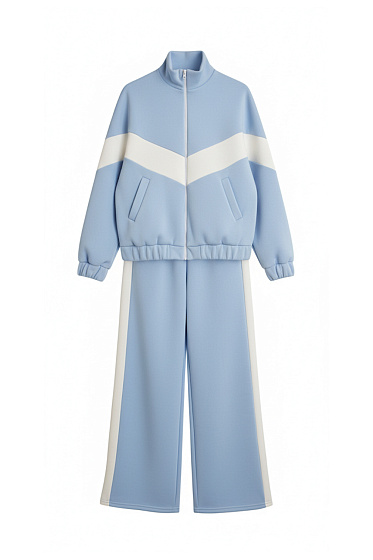
Inappropriate fabrics and styles.First and foremost, this concerns materials and models strongly associated with leisure or sports. For example, even the most comfortable fleece trousers, like in theBlue walking suit with side stripes, are absolutely inappropriate for the office. Their purpose is comfortable walks or home relaxation, and an attempt to integrate them into a business look will appear unprofessional and disrespectful. This also includes leggings (with rare exceptions in creative fields under a long jacket), low-rise trousers, as well as models with excessive decor: rhinestones, embroidery, large logos, or ripped elements.
Improper fit.This is perhaps the most common mistake. Trousers that are too tight or, conversely, too baggy can spoil the impression even of the most expensive suit. Always take time for fittings and, if necessary, consult a tailor to perfectly adjust the item to your figure. Sometimes it's enough to simply shorten the trousers to the correct length for the entire look to be transformed. Make sure nothing pulls, wrinkles, or digs in.
Ignoring the context.And, of course, always consider your company's internal dress code and corporate culture. Expectations for employee appearance will differ radically in a creative agency, a law firm, and a government institution. If you are in doubt, it is better to choose a more conservative option or observe how your managers and successful colleagues dress.
Ultimately, modern business style is not about following strict rules, but about the ability to express your individuality while maintaining respect for the professional context. Properly chosen trousers, whether a classic model or a bold trendy style, can become a powerful tool for creating the image of a self-confident, competent, and successful woman.
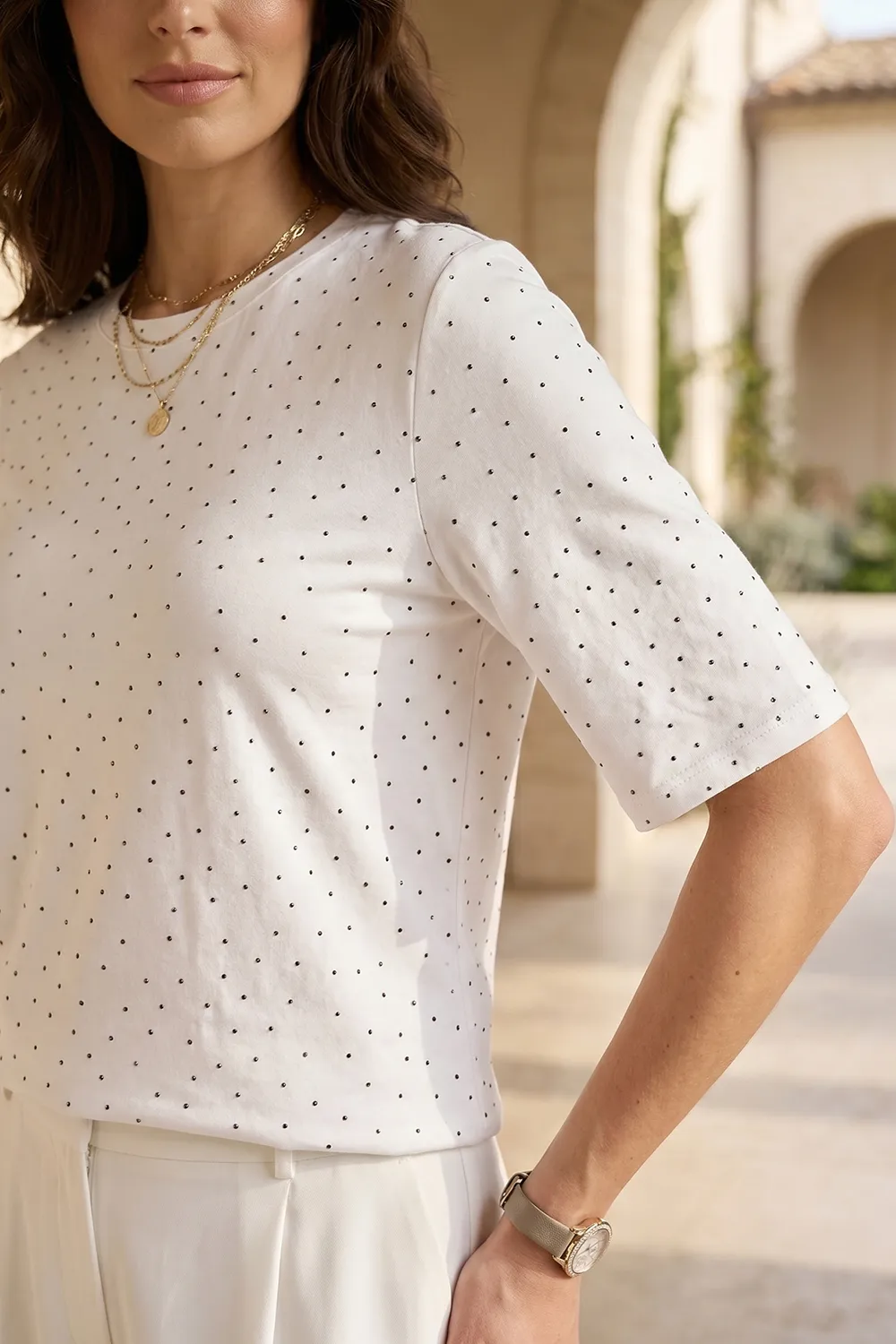 The Statement Top: How Unexpected Details Elevate Your Everyday Style
A practical editorial guide to wearing t-shirts, tops, bodysuit, longsleeves with more balance and repeatability.
The Statement Top: How Unexpected Details Elevate Your Everyday Style
A practical editorial guide to wearing t-shirts, tops, bodysuit, longsleeves with more balance and repeatability.
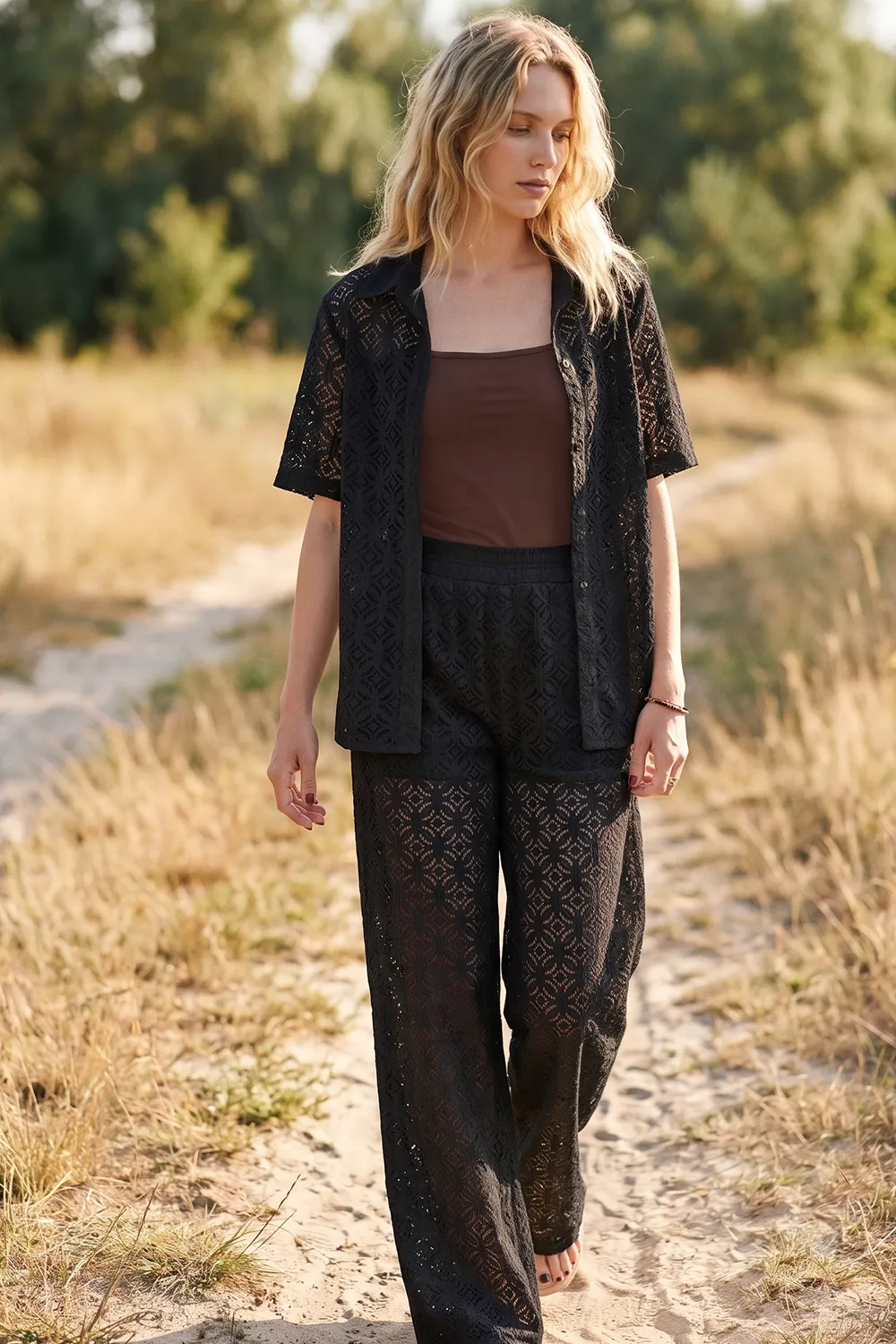 Sportswear's Urban Takeover: Elevating Everyday Style
A practical editorial guide to wearing sportswear with more balance and repeatability.
Sportswear's Urban Takeover: Elevating Everyday Style
A practical editorial guide to wearing sportswear with more balance and repeatability.
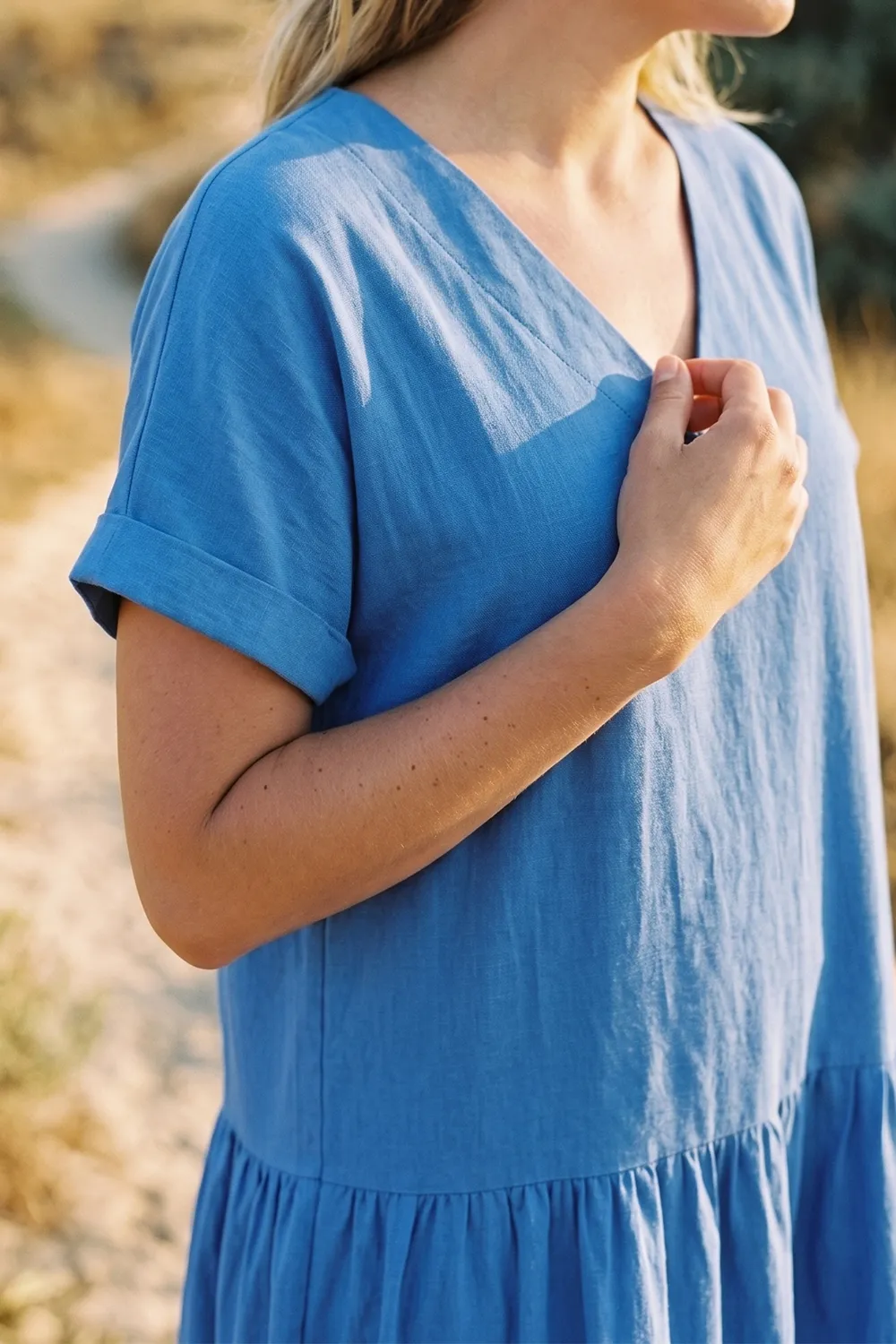 Achieving the Perfect Fit: A Guide to Dress and Jumpsuit Lengths
A practical editorial guide to wearing dresses and jumpsuits with more balance and repeatability.
Achieving the Perfect Fit: A Guide to Dress and Jumpsuit Lengths
A practical editorial guide to wearing dresses and jumpsuits with more balance and repeatability.