
 Free delivery in Ukraine upon full payment of the order
  Return of goods within 14 days

Structured Sophistication: Mastering Knitwear Layering
Discover the art of combining cozy knitwear with structured wardrobe elements. Learn how to create multi-dimensional, elegant outfits, balancing comfort, warmth, and impeccable style through strategic layering.
Structured Sophistication: Mastering Knitwear Layering
The Play of Textures: Combining Knitwear and Smooth Fabrics
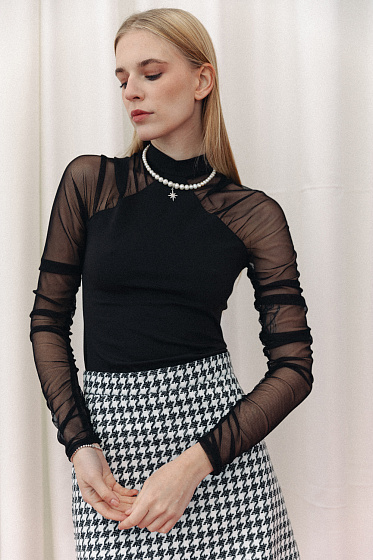
The secret to a truly refined look lies in the details, and one of the key elements is the play of textures. Combining soft, pliable knitwear with stiffer, structured fabrics like suiting wool, denim, or crisp cotton creates dynamic visual interest. This contrast is the foundation of a thoughtful, multi-dimensional outfit that appears sophisticated and expensive.
Imagine how striking a chunky knit sweater looks paired with sleek leather trousers or a flowing silk skirt. Conversely, a fine cashmere turtleneck or a merino wool jumper perfectly complements a sharp wool blazer or classic tailored trousers. The idea is to allow each texture to shine by contrasting it with another.
Under a Blazer or Over a Shirt: Classic Layering Techniques
The classic combination of a sweater over a crisp shirt remains timeless. This technique blurs the line between casual and business attire. To ensure a polished and neat appearance, allow the shirt collar and cuffs to be visible. This works particularly well with crew-neck or V-neck sweaters.
Balancing Proportions: How Not to Lose Your Silhouette
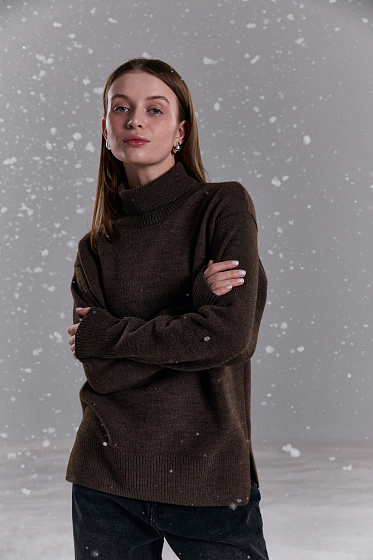
The main rule of layering is not to overwhelm your figure. If you choose voluminous or textured knitwear for the upper part of your outfit, pair it with a fitted bottom: skinny jeans, cigarette trousers, or a pencil skirt. This helps maintain clean lines and avoids a baggy appearance.
a voluminous milky sweater, like this piece
Harmony of Color and Pattern: The Palette of a Layered Look
Monochromatic layering, which involves using different shades of a single color, is a proven way to achieve an elegant and sophisticated look. This technique creates a cohesive, elongated silhouette. For a bolder statement, try color-blocking with complementary or contrasting hues. A neutral base of beige, grey, or black allows for a vibrant accent in one of the layers.
When mixing patterns, it's best to stick to the 'one dominant, one neutral' rule. For example, a pinstriped shirt under a solid-colored sweater is a safe and stylish choice. If you're ready to experiment, you can combine patterned knitwear with another patterned element, provided they share a common color that ties the look together.
A Bridge Between Styles: Knitwear as a Versatile Element
Knitwear serves as a unique bridge between casual and formal styles. A simple yet high-quality jumper can instantly make a sharp suit more approachable and modern. By replacing a blouse under a blazer with a thin knit turtleneck, you achieve the perfect smart-casual look.
FAQ
What knitwear is best for wearing under a blazer?
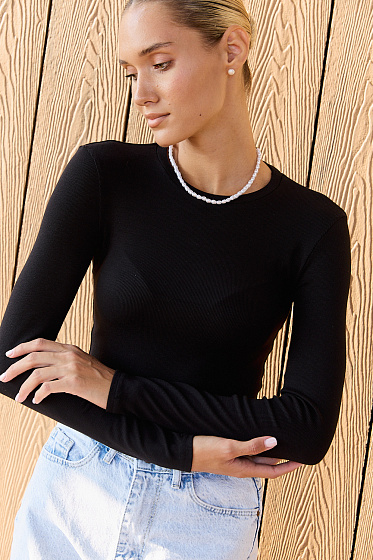
For layering under a blazer, thin, smooth, and fitted styles are ideal: cashmere or merino turtlenecks, elastic knit longsleeves, or thin V-neck or crew-neck jumpers. They provide warmth without adding bulk.
How can I avoid looking bulky or like a 'cabbage' in a layered outfit?
The key is balancing proportions and choosing the right materials. Combine voluminous items with fitted ones, for example, a loose sweater with slim trousers. Use thin but warm fabrics for inner layers. Also, a belt at the waist over a sweater or cardigan can help emphasize the silhouette.
Can different types of knitwear be combined in one outfit?
Yes, this is an excellent way to create interesting textural contrast. For example, you can wear a thin knit top under a chunkier, more voluminous cardigan. The main thing is that the pieces harmonize in color and style.
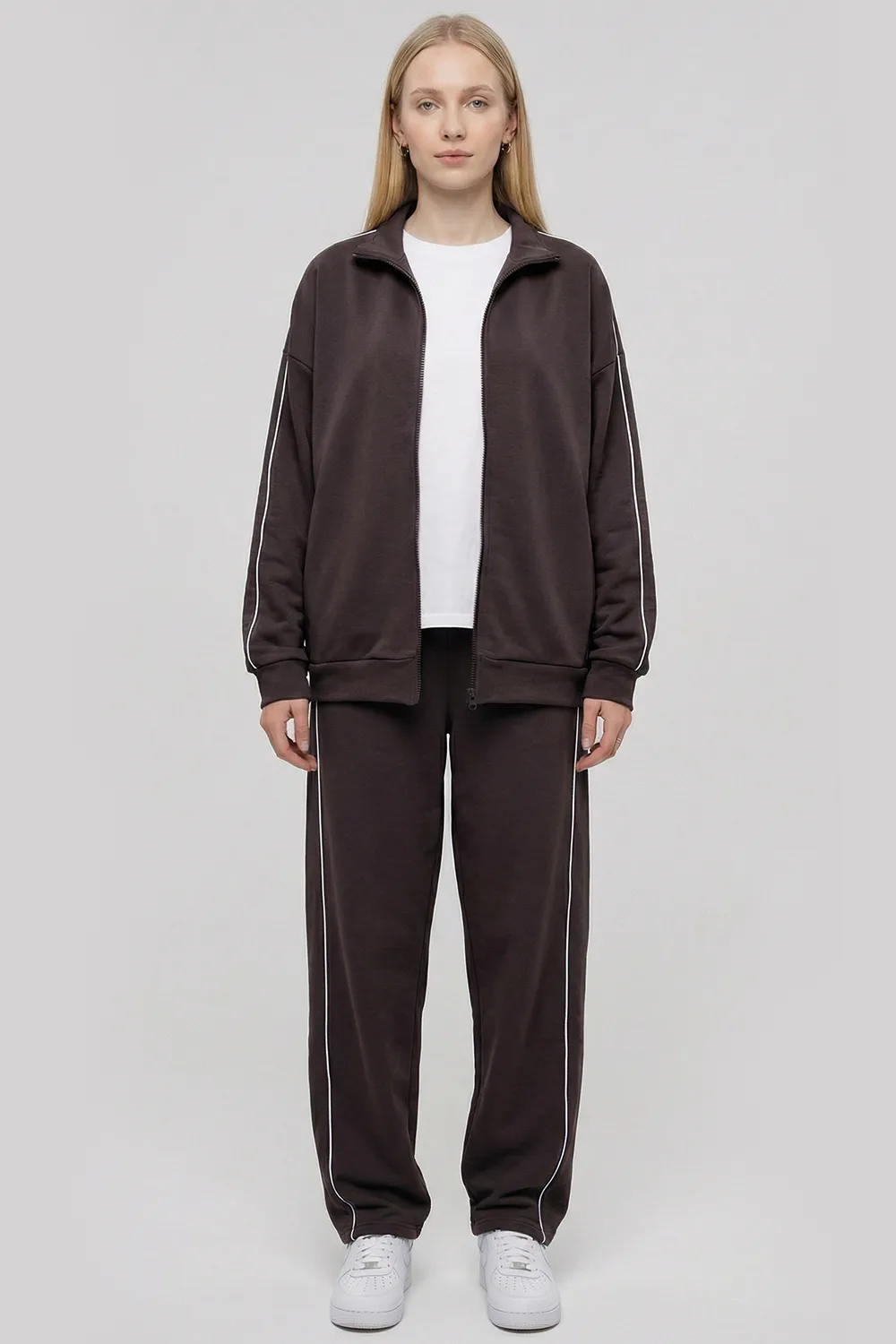 Elevated Utility: Performance-Inspired Style for Everyday Elegance
Discover how to blend the comfort of sportswear with everyday elegance. Learn which functional details and technical fabrics can help create a mode...
Elevated Utility: Performance-Inspired Style for Everyday Elegance
Discover how to blend the comfort of sportswear with everyday elegance. Learn which functional details and technical fabrics can help create a mode...
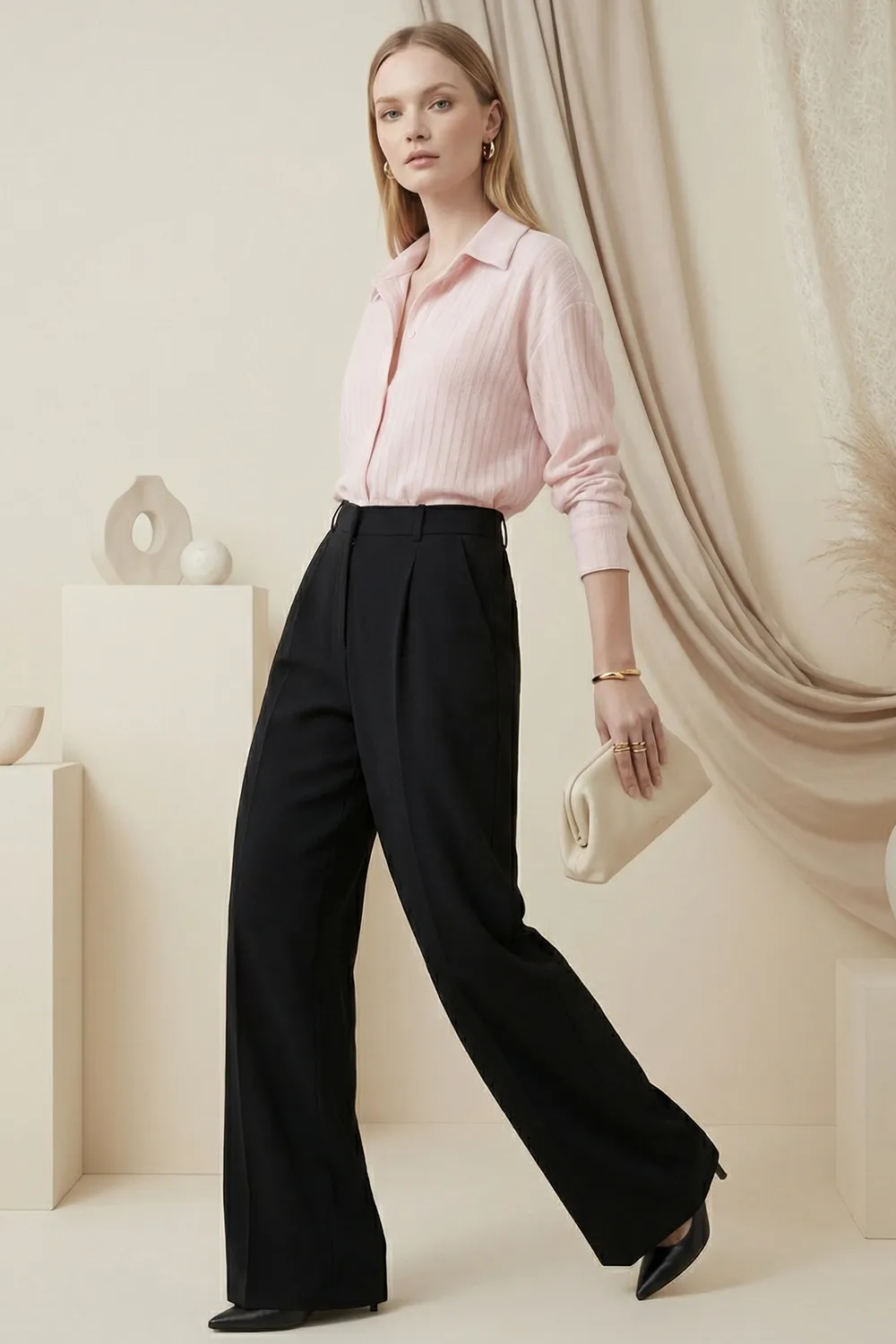 The Blouse Silhouette: Mastering Style Transformation
A practical editorial guide to wearing blouses & shirts with more balance and repeatability.
The Blouse Silhouette: Mastering Style Transformation
A practical editorial guide to wearing blouses & shirts with more balance and repeatability.
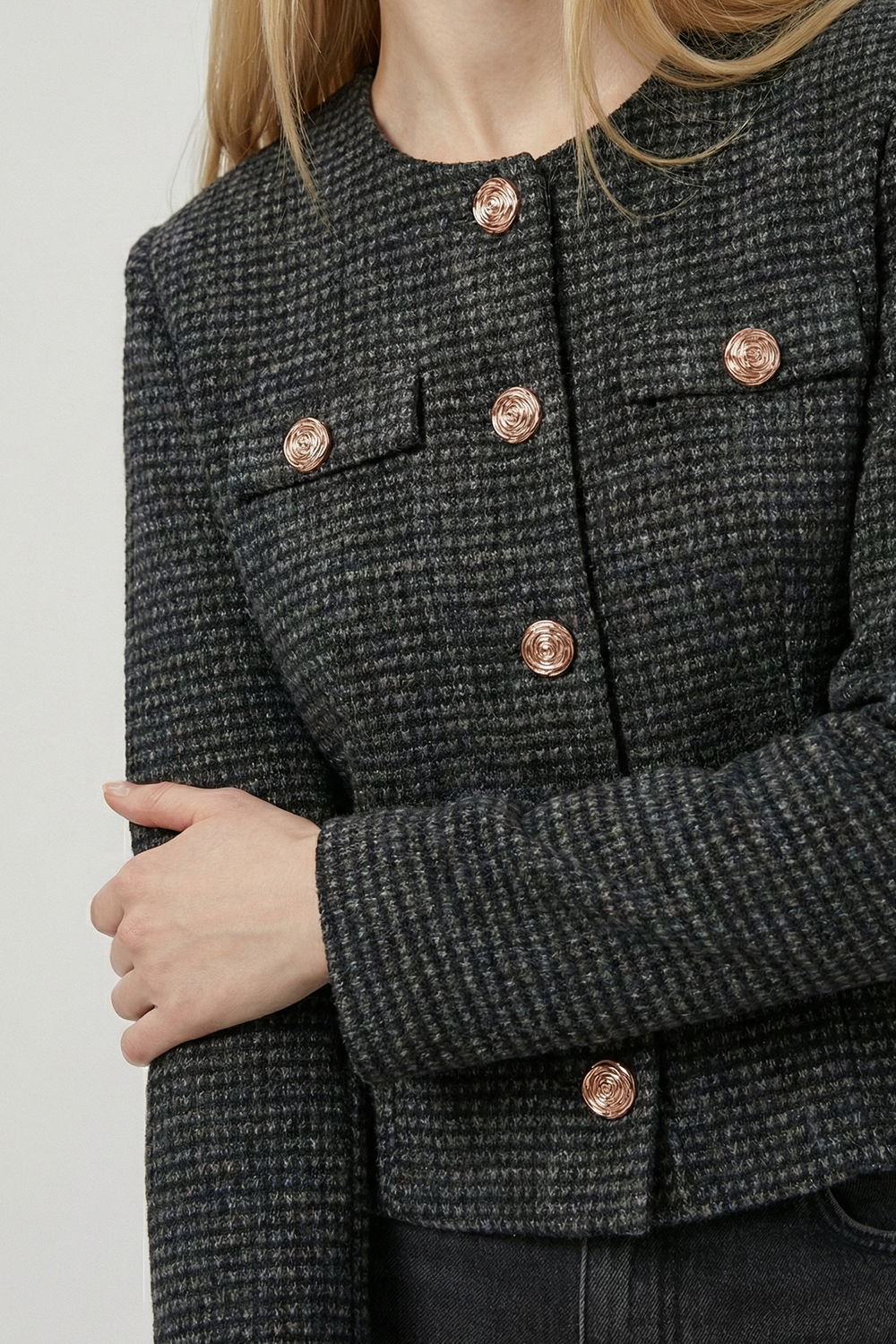 The Art of the Blazer: Unconventional Pairings for a Bold Statement
Step beyond traditional looks and transform your blazer into the centerpiece of your style. Discover how to experiment with textures, silhouettes, ...
The Art of the Blazer: Unconventional Pairings for a Bold Statement
Step beyond traditional looks and transform your blazer into the centerpiece of your style. Discover how to experiment with textures, silhouettes, ...