
 Free delivery in Ukraine upon full payment of the order
  Return of goods within 14 days

Mastering the Blazer: Sculpting Your Perfect Silhouette
Discover how to use a blazer as an architectural element to create the perfect silhouette. We explore how cut, length, and material influence proportions, and share styling techniques for any body type.
Mastering the Blazer: Sculpting Your Perfect Silhouette
The Blazer as a 'Frame' for Your Look
A blazer is much more than just a business wardrobe item. In modern fashion, it serves as an architectural foundation that sets the tone for the entire ensemble. Like a frame for a painting, it outlines contours, adds crisp lines, and brings completeness to even the simplest combination, such as jeans and a T-shirt. A well-chosen blazer can instantly transform a relaxed outfit into a thoughtful and elegant look, adding structure and polish.
The key strength of a blazer lies in its ability to create visual harmony. It can balance proportions, highlight the figure's assets, and subtly conceal nuances. It's a versatile tool that allows you to manage the impression your silhouette makes, making it more put-together, elongated, or refined.
Playing with Proportions: Length and Cut are Key
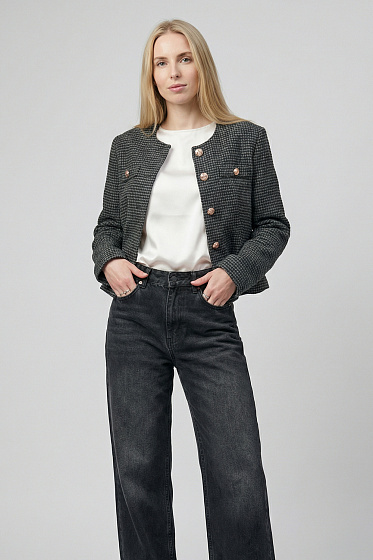
Choosing the cut and length of a blazer is a strategic decision that directly impacts how your figure is perceived. There are three main types, each creating its unique effect. Oversized models lend a relaxed and powerful feel to an outfit, visually broadening the shoulder line and creating an interesting contrast with a narrow bottom, such as leggings or a pencil skirt.
Creating Specific Silhouettes with a Blazer
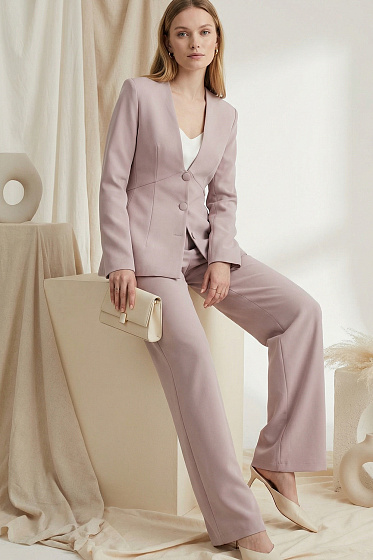
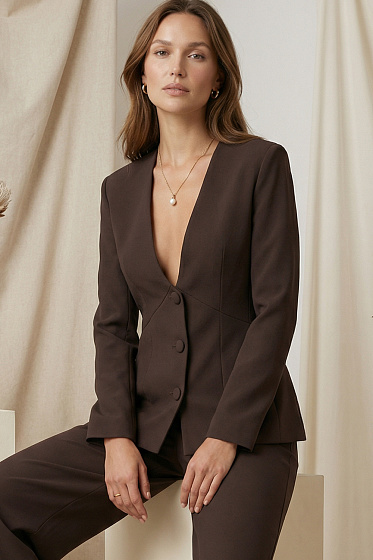
Using a blazer as a tool, you can intentionally sculpt various types of silhouettes. To create an hourglass shape, choose fitted models or use a belt over a straight blazer to emphasize the waist. This technique works flawlessly, adding curves even to naturally straight body types.
For creating an 'inverted triangle' silhouette, characterized by broad shoulders and narrow hips, blazers with a clearly defined shoulder line are ideal. Models with shoulder pads help balance the upper and lower body. Pair them with flared trousers or A-line skirts for complete harmony.
The 'column' or 'rectangle' silhouette can be effectively enhanced with a long, straight-cut blazer. It creates a continuous vertical line that visually elongates height and makes the figure appear slimmer. Wear it unbuttoned over a contrasting top and trousers to amplify this effect.
Texture and Material: Secrets of Structural Support
Not only the cut, but also the material plays a key role in how well a blazer will hold its shape and structure an outfit. Dense fabrics like wool, tweed, or high-quality suiting fabric possess the necessary stiffness to create crisp lines and maintain the desired silhouette. For example, 'Barbie suiting' or 'Chanel suiting' materials are excellent for tailoring models that need to look impeccable throughout the day.
Shoulder pads are also an important element. There's no need to fear them: modern versions are far from the exaggerated forms of the 80s. They delicately shape the shoulder line, giving posture stateliness and completing the blazer's architecture. At the same time, models made from soft, flowing fabrics like silk or linen create a more relaxed and bohemian silhouette, where the emphasis shifts from crisp lines to fluidity and movement.
The Art of Layering: Balance and Harmony
A blazer is an ideal outer layer, but for a layered look to appear harmonious, it's important to maintain balance. If you're wearing a blazer over a bulky sweater or hoodie, choose an oversized model to avoid feeling restricted and to maintain proportions. Narrow trousers or straight-leg jeans would perfectly complement such a top.
FAQ
Can I wear an oversized blazer if I'm petite?
Yes, absolutely. The main thing is to maintain a balance of proportions. Pair an oversized blazer with a cropped top and a fitted bottom (skinny trousers, pencil skirt) to define the waist and avoid being 'lost' in the volume. Heels can also help visually elongate the silhouette.
How do I choose a blazer that doesn't look too formal?
To reduce formality, pair a blazer with casual items: jeans, printed T-shirts, sneakers, or trainers. Also, opt for models made from less rigid materials, such as linen or cotton, and choose interesting colors instead of classic black or grey.
Should I pay attention to shoulder pads in a blazer?
Absolutely. Shoulder pads are a key element that forms the structure of a blazer and creates a defined shoulder line. They give the look a polished and elegant feel. Modern shoulder pads are usually very subtle and only delicately emphasize the silhouette, without making it bulky.
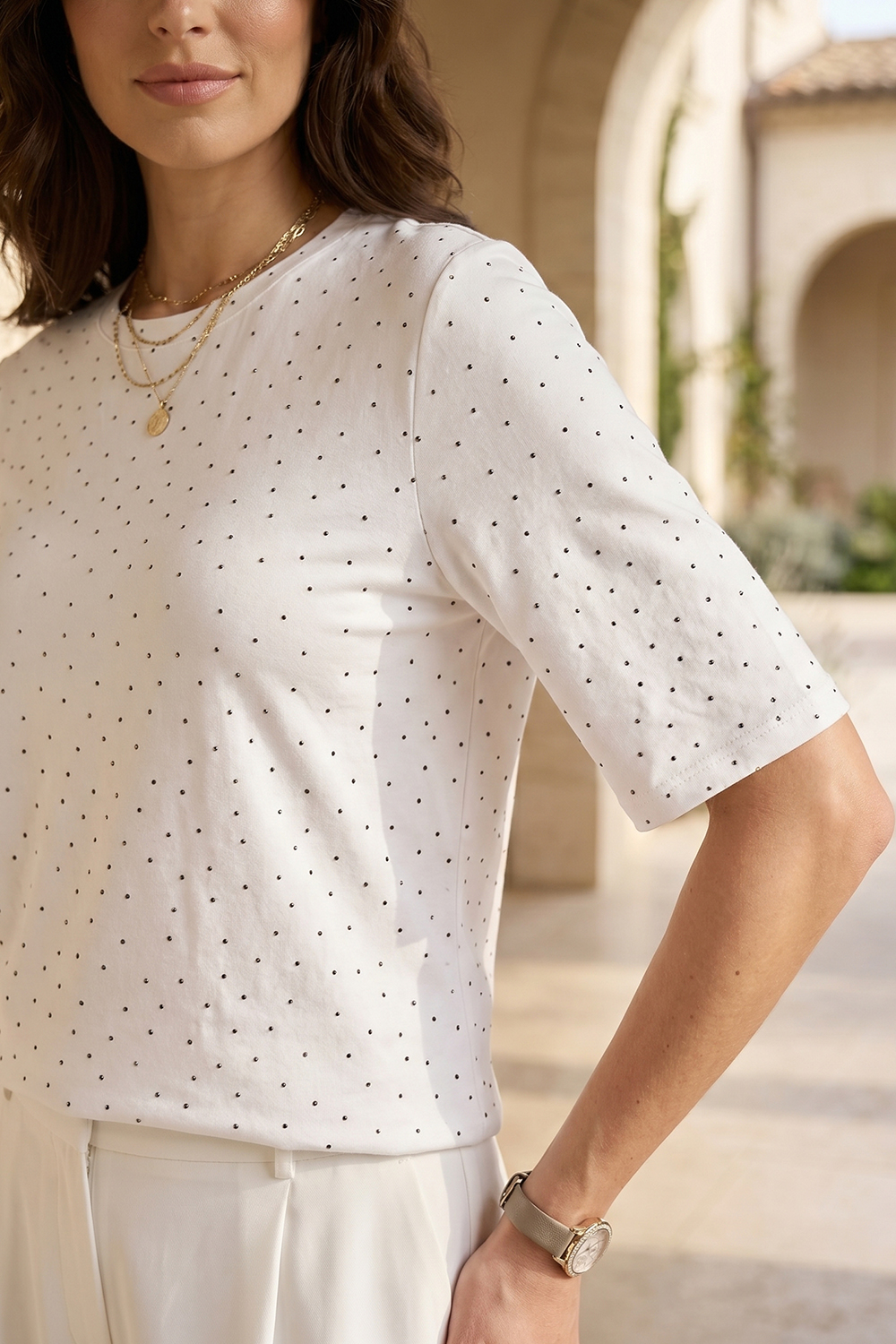 The Statement Top: How Unexpected Details Elevate Your Everyday Style
A practical editorial guide to wearing t-shirts, tops, bodysuit, longsleeves with more balance and repeatability.
The Statement Top: How Unexpected Details Elevate Your Everyday Style
A practical editorial guide to wearing t-shirts, tops, bodysuit, longsleeves with more balance and repeatability.
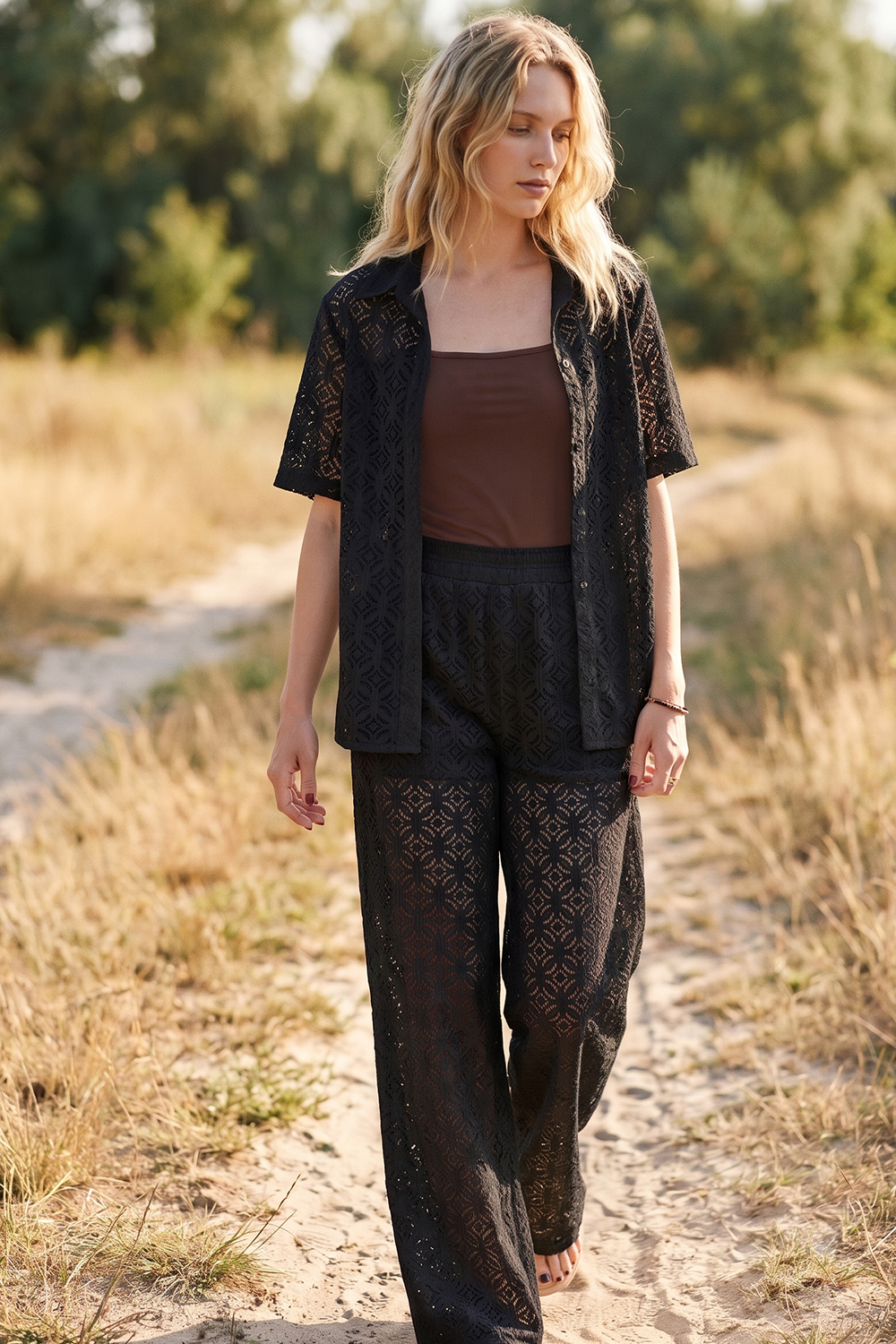 Sportswear's Urban Takeover: Elevating Everyday Style
A practical editorial guide to wearing sportswear with more balance and repeatability.
Sportswear's Urban Takeover: Elevating Everyday Style
A practical editorial guide to wearing sportswear with more balance and repeatability.
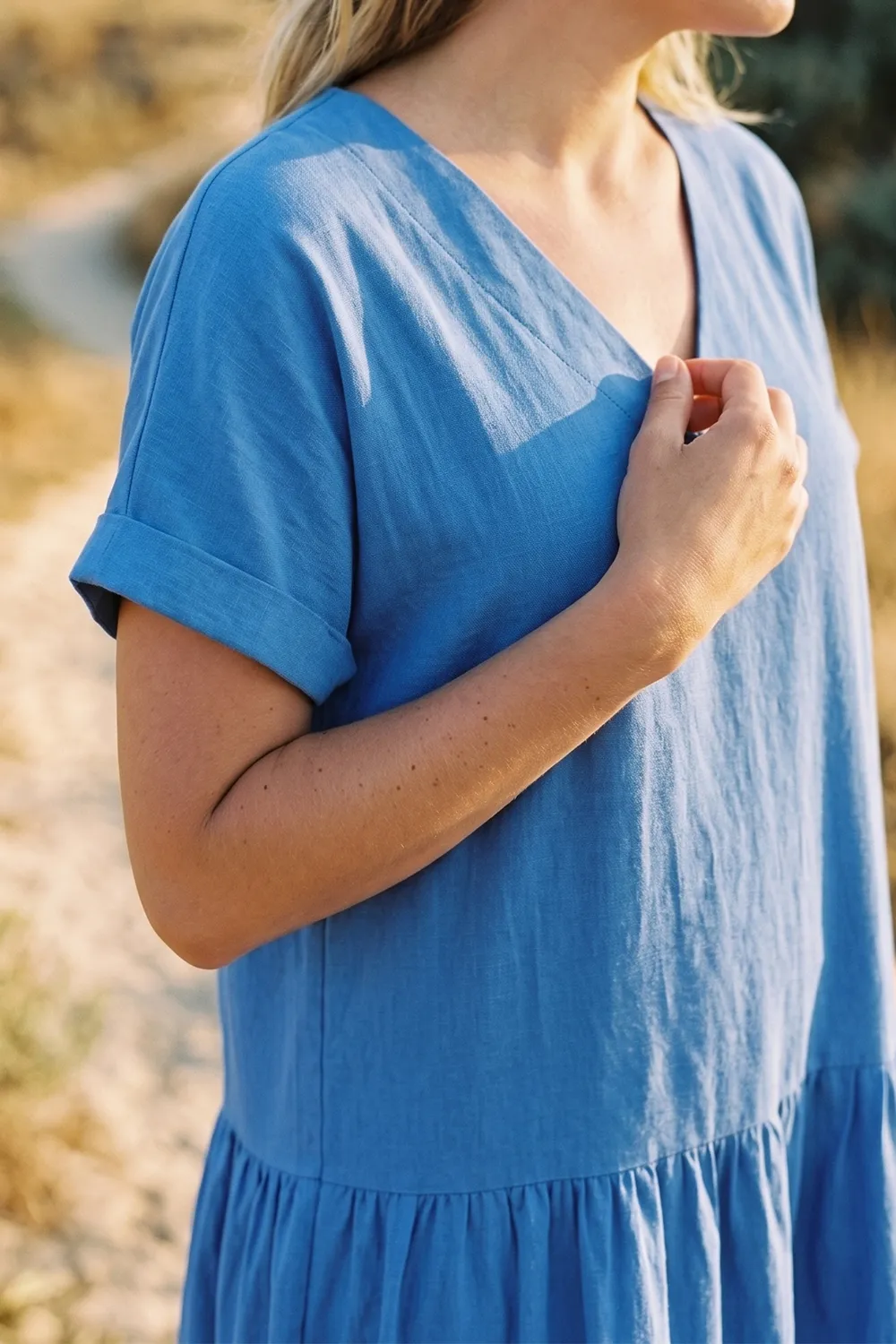 Achieving the Perfect Fit: A Guide to Dress and Jumpsuit Lengths
A practical editorial guide to wearing dresses and jumpsuits with more balance and repeatability.
Achieving the Perfect Fit: A Guide to Dress and Jumpsuit Lengths
A practical editorial guide to wearing dresses and jumpsuits with more balance and repeatability.