
 Free delivery in Ukraine upon full payment of the order
  Return of goods within 14 days

Conscious Wardrobe 2026: How to choose clothes that work for you
How to choose clothes in 2026: A practical guide to combinations helps structure your choice: you get guidelines on criteria, typical mistakes, and a way to compare alternatives in real-use scenarios.The material briefly shows how to move from a general idea to a clear checklist so that the final...
Conscious Wardrobe 2026: How to choose clothes that work for you
Every season, glossy magazines and fashion influencers tell us about new «must-haves» and main trends that supposedly should immediately appear in our closet. But to be honest, most of us are tired of this endless race. Constantly updating your wardrobe not only drains your wallet but also leads to mental overload and so-called «decision fatigue». A closet crammed with clothes that «have nothing to wear with» generates daily stress and a feeling of dissatisfaction. The true value of clothing today is measured not by its compliance with the latest fashion trend, but by its ability to provide comfort, confidence, and serve for a long time.Sportswear
In 2026, the philosophy of fashion definitively shifts from consumption to consciousness. This is not just a beautiful word, but a response to global challenges: environmental problems caused by overproduction, and our own desire to live a more meaningful and less chaotic life. We no longer want to be passive followers of trends. We want to build a personal, functional, and thoughtful style. Instead of the question «What's fashionable?» the question «What suits me specifically?» comes to the forefront. Instead of an impulsive purchase, we learn to evaluate an item based on the «cost per wear» principle — a high-quality basic item that you will wear a hundred times turns out to be much more profitable than an ultra-fashionable blouse for one season.
This guide is not a collection of strict rules or empty promises. It is a practical analysis of principles that will help you choose women's clothing more thoughtfully. We will talk about how to prioritize comfort without sacrificing elegance, how to learn to see potential in basic items, and how to create looks that reflect you, your lifestyle, and your values, rather than fleeting trends from the runways.
Beyond Trends: The Foundation of Your Wardrobe
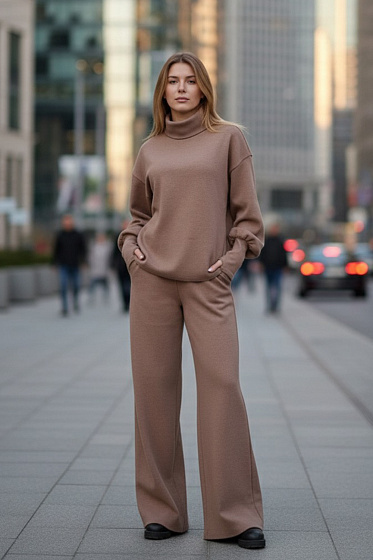
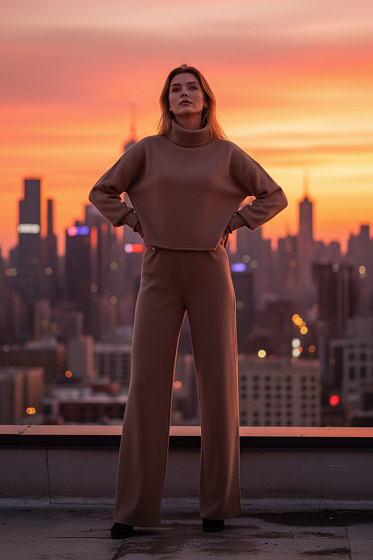
The basis of any functional wardrobe is not ultra-fashionable one-day items, but a well-thought-out, high-quality base. We are talking about clothing items with a clear, classic cut that fit your figure perfectly and are made of materials in which you feel comfortable throughout the day. This is your anchor point, your stylistic foundation, around which you can build any experiments, adding accent accessories or one or two trendy items per season.Sportswear
Before making a purchase, ask yourself a simple but important question: «What do I already have that I will wear this with?» If a new skirt or blouse requires buying several more items for the outfit to come together, it might not be the best investment. Truly functional clothing easily combines with at least 3-5 other elements of your wardrobe, creating new combinations effortlessly. This is the main sign of a thoughtful purchase.
What is included in the ideal base?
A basic wardrobe is not a boring set of identical items, but your personal style constructor. It is individual, but there are several universal elements that will become a reliable foundation for most women:
- Perfectly fitting jeans:Straight-cut, mom-fit or wide-leg, without excessive decor, made of dense denim in classic blue or black. This is the pair in which you feel a hundred percent.
- Classic trousers:Black, grey, beige, or dark blue. Choose a cut that is complementary to your figure — be it straight, palazzo, or slightly tapered models. Wool for the cold season, linen or cotton — for the warm one.
- White or milky shirt: Classic milky loose-fit shirtmade of high-quality cotton — it's a real «Swiss Army knife» in the world of clothing. Today it's part of a strict office look with trousers, and tomorrow it's thrown over a light dress on a cool summer evening. Its value is not in its uniqueness, but in its astonishing adaptability.
- Quality T-shirts and long sleeves:Several pieces in neutral colors (white, black, grey, beige) made of dense, shape-retaining cotton. Pay attention to the neckline cut — it should flatter your neck and décolletage.
- Versatile jumper or cashmere sweater:V-neck or round neck, neutral shade. It will keep you warm in winter and will be a great addition to an outfit on a cool summer day. Quality cashmere or merino is an investment that will last for years.
- Structured jacket or blazer:It instantly "pulls together" any, even the most relaxed, outfit with jeans and a T-shirt, making it more elegant and polished. Choose a single-breasted or double-breasted model in black, dark blue, or beige.
- Versatile dress:This can be a shirt dress, a minimalist straight-cut knit dress, or a slip dress. The main thing is that it can be styled in different ways: with sneakers and a denim jacket during the day, with heels and a blazer in the evening.
- Classic trench coat:A beige or black trench coat is an eternal classic that makes any look complete and protects from wind and rain during the off-season.
The Power of Color and Material Quality
A well-thought-out color palette is the key to harmony in your wardrobe. Start with 4-5 basic neutral colors (e.g., black, white, beige, grey, dark blue) that form the foundation of your wardrobe. Supplement them with 2-3 accent colors that suit you and you like (e.g., olive, burgundy, dusty pink, sky blue). This scheme ensures that most items will combine with each other, like parts of a single constructor set.In Ukrainian
Fabric quality is another cornerstone. Natural materials such as cotton, linen, wool, cashmere, and silk are not only pleasant to the body but also look more expensive and last longer than their synthetic counterparts. They allow the skin to breathe and adapt better to body temperature. Investing in quality fabric is an investment in the longevity of your wardrobe. Learn to read labels and pay attention to details: even seams, quality hardware, material density, and texture. An item made of good fabric will retain its shape and color after many washes, proving its value again and again.
Comfort as a Conscious Choice: A New Era of Coziness
The idea that beauty requires sacrifice, fortunately, is a thing of the past. Today, comfort is not a compromise, but a conscious priority and a new form of luxury. It's about feeling harmony with your own body and clothes, whether it's an important work meeting on Zoom from home or a long-awaited walk in the park. When clothes don't distract, don't restrict movement, and don't cause discomfort, you feel more confident, calmer, and can focus on what's important. Psychologically, physical comfort is directly linked to a sense of security and self-confidence.
This is where soft, pleasant-to-the-touch fabrics and relaxed, yet thoughtful silhouettes come to the forefront. Take, for example, knitted angora or quality knitwear. They provide warmth without weighing down the look and create a sense of calm, understated elegance. A ready-made set from such a material is an ideal solution for days when you want to look put-together without any effort. For example,black walking suitwith thoughtful details, such as cuffs with a thumbhole, gives an incredible feeling of coziness. It feels as if you've been hugged — such peace and security in every detail.SALE
The beauty of such sets lies in their versatility. They have long gone beyond the scope of «sportswear» and have become a modern uniform for a dynamic life. They can be worn with sneakers for maximum comfort, or complemented with chunky-soled boots and a coat, creating a stylish urban look. A calmolive walking suitwill add natural notes to the look and will look great in an autumn park, while agrey suit made of soft knitted angorawith a hood will become an indispensable companion on trips or on lazy weekends.
How can everyday clothes look expensive?
The secret to an «expensive» look lies not in the price tag, but in the details and overall impression. Here are a few principles that will help even the simplest outfit look thoughtful and classy:
- Monochrome:An outfit assembled in one color or its different shades almost always looks more cohesive, elegant, and visually elongates the silhouette. Try combining different textures in one color, for example, a silk skirt and a cashmere jumper.
- Fabric quality:Smooth, dense knitwear without pilling, flowing silk, or cotton that holds its shape well always looks more advantageous than thin, flimsy materials.
- Clean lines:A simple, concise cut without unnecessary details often looks more expensive than an item overloaded with decor. The focus shifts from the item itself to the person wearing it.
- Perfect fit:Even a relaxed silhouette should fit correctly. Make sure that the shoulder seams are in place, and the length of the trousers and sleeves corresponds to your height. Do not neglect the services of an atelier — tailoring an item to your figure can transform even an inexpensive piece of clothing.
- Attention to detail:Quality hardware, even seams, and the well-maintained condition of an item (absence of stains, wrinkles) play a huge role in the overall perception.
- The power of accessories:A quality bag of a concise shape, classic watches, minimalist jewelry, or a good leather belt can instantly «pull together» and elevate even the simplest outfit of jeans and a T-shirt.
This is a choice in favor of items where design serves comfort and aesthetics, rather than simply attracting attention. This is quiet luxury, accessible to everyone.English
The Art of Layering: One Item for Different Scenarios
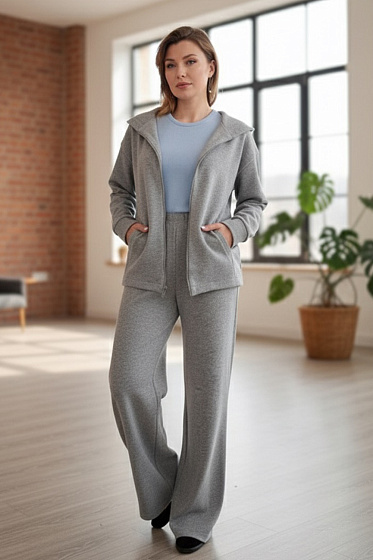
A truly functional wardrobe is a constructor where most elements easily combine with each other. Layering is not just a fashion technique, but a key skill that opens up endless possibilities for styling. It allows not only to adapt to temperature changes throughout the day, but also to radically change the mood of an outfit with one or two details, transforming a daytime ensemble into an evening one.
Three Pillars of a Layered Look
For a layered look to appear harmonious, not bulky, it is important to observe the structure:
- Base Layer:This is the layer closest to the body. It should be thin, smooth, and comfortable. Ideal candidates: a quality T-shirt, long-sleeve top, thin turtleneck, silk top, or bodysuit. Its main task is comfort and creating a foundation.
- Middle Layer:This is the “heart” of your outfit, its character. It adds texture, color, and individuality. The sameclassic shirt, buttoned all the way up under a jumper, creates a strict silhouette, while worn open over a top — it creates a completely different, relaxed mood. Other options: a cardigan, vest, thin sweater, hoodie.
- Outer Layer:It completes the look, sets its tone, and protects from the weather. This can be a blazer, trench coat, coat, or leather jacket. The same item can play completely different roles. For example,powder-pink fitted jacketpaired withmatching trousersforms a sophisticated suit for a business event. But the same jacket, worn over a simple white T-shirt and jeans, creates an elegant and modern look for a meeting with friends.
Playing with Proportions and Textures: Practical Examples
The key to successful layering is balance. If you use a voluminous middle or outer layer (for example, an oversized sweater or a loose blazer), try to keep the lower part of the outfit more concise (straight jeans, slim trousers). Play with length: a cropped jacket over a long shirt looks interesting and dynamic.
Don't be afraid to mix textures: the smoothness of silk, the relief of knitwear, the density of denim, and the softness of cashmere in one outfit create depth and make it visually richer. Here are a few proven combinations:
- For the office:Silk blouse (base) + thin wool jumper (middle layer) + structured blazer (top layer). Complete with classic trousers.
- For a walk:Cotton long-sleeve (base) + unbuttoned denim or flannel shirt (middle layer) + leather jacket or trench coat (top layer). Perfect with jeans and boots.
- For a creative meeting:Slip dress (base) + oversized knitted cardigan (middle layer) + chunky boots and accent jewelry.
Conclusion: Your wardrobe is a story about you
Creating a wardrobe in 2026 is not a pursuit of trends, but a fascinating process of self-discovery. It's a dialogue with yourself about who you are, what lifestyle you lead, and how you want to feel every day. It's a rejection of visual noise in favor of clarity and functionality. By investing in a quality base, prioritizing comfort, and mastering the art of combinations, you create not just a set of clothes, but a reliable tool for self-expression.
This approach frees up time and mental energy that we previously spent on morning struggles with choice. A wardrobe that doesn't complicate, but simplifies life, gives confidence and allows you to be yourself — stylish, free, and harmonious. And this is the most important fashion investment you can make in yourself and your future.
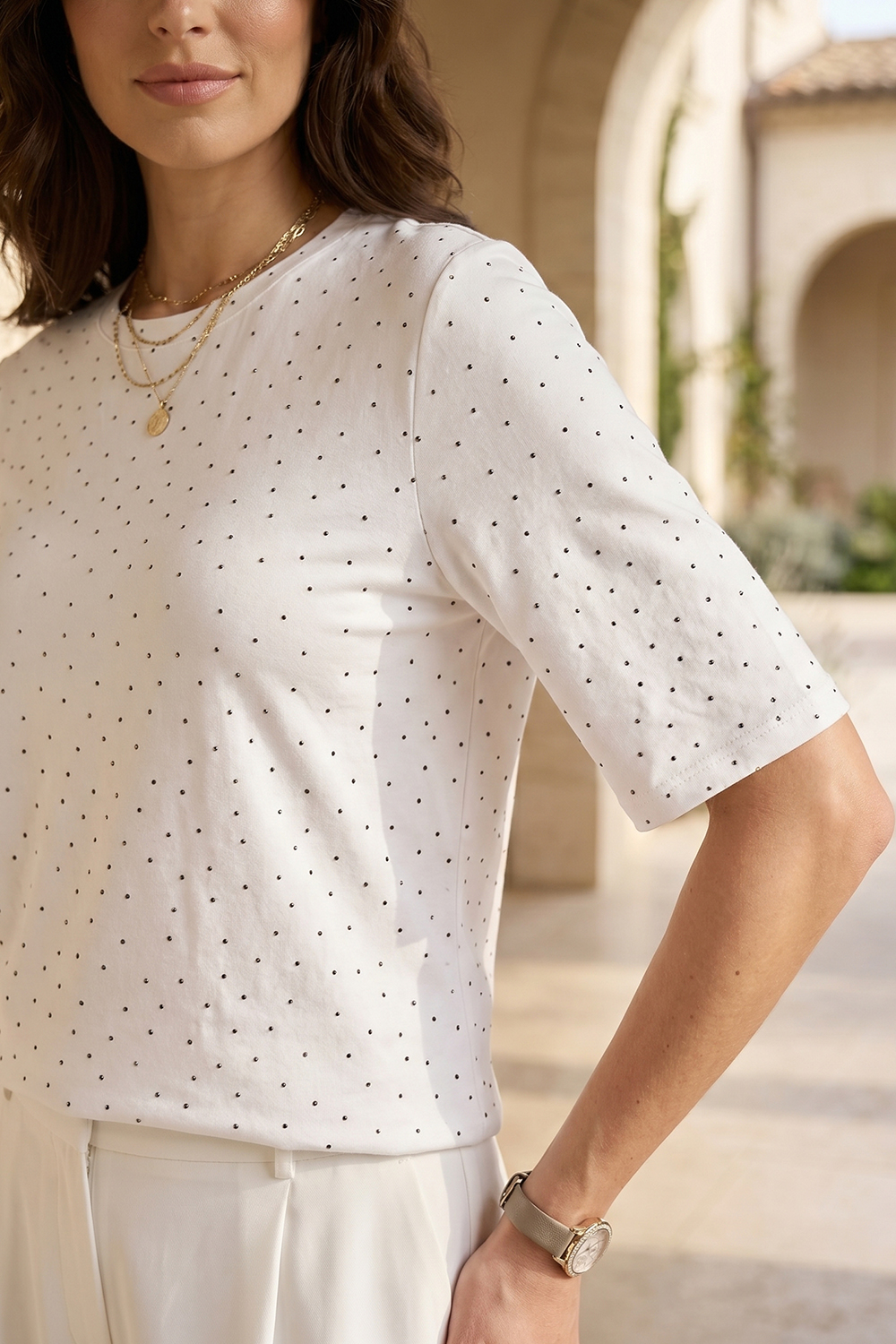 The Statement Top: How Unexpected Details Elevate Your Everyday Style
A practical editorial guide to wearing t-shirts, tops, bodysuit, longsleeves with more balance and repeatability.
The Statement Top: How Unexpected Details Elevate Your Everyday Style
A practical editorial guide to wearing t-shirts, tops, bodysuit, longsleeves with more balance and repeatability.
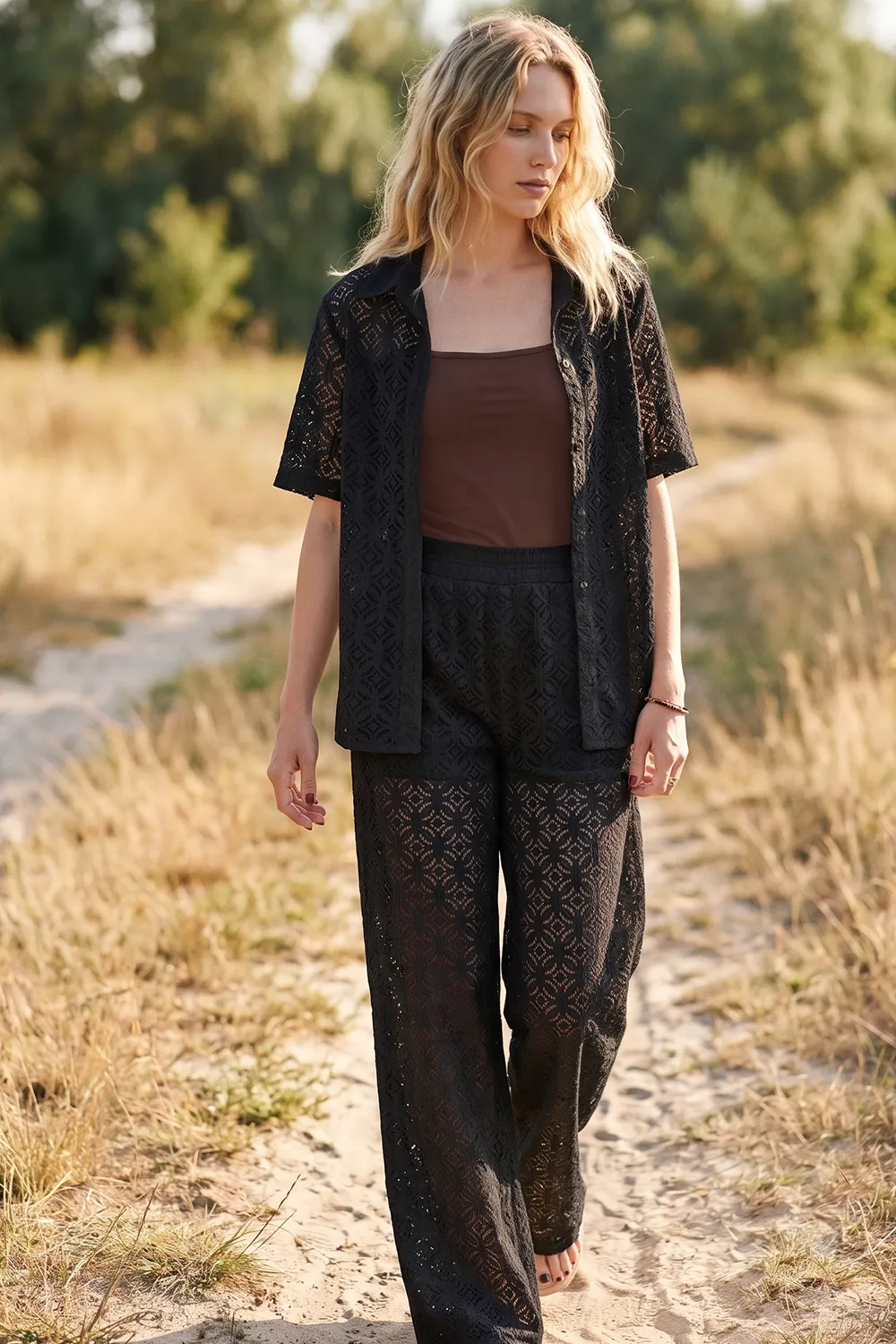 Sportswear's Urban Takeover: Elevating Everyday Style
A practical editorial guide to wearing sportswear with more balance and repeatability.
Sportswear's Urban Takeover: Elevating Everyday Style
A practical editorial guide to wearing sportswear with more balance and repeatability.
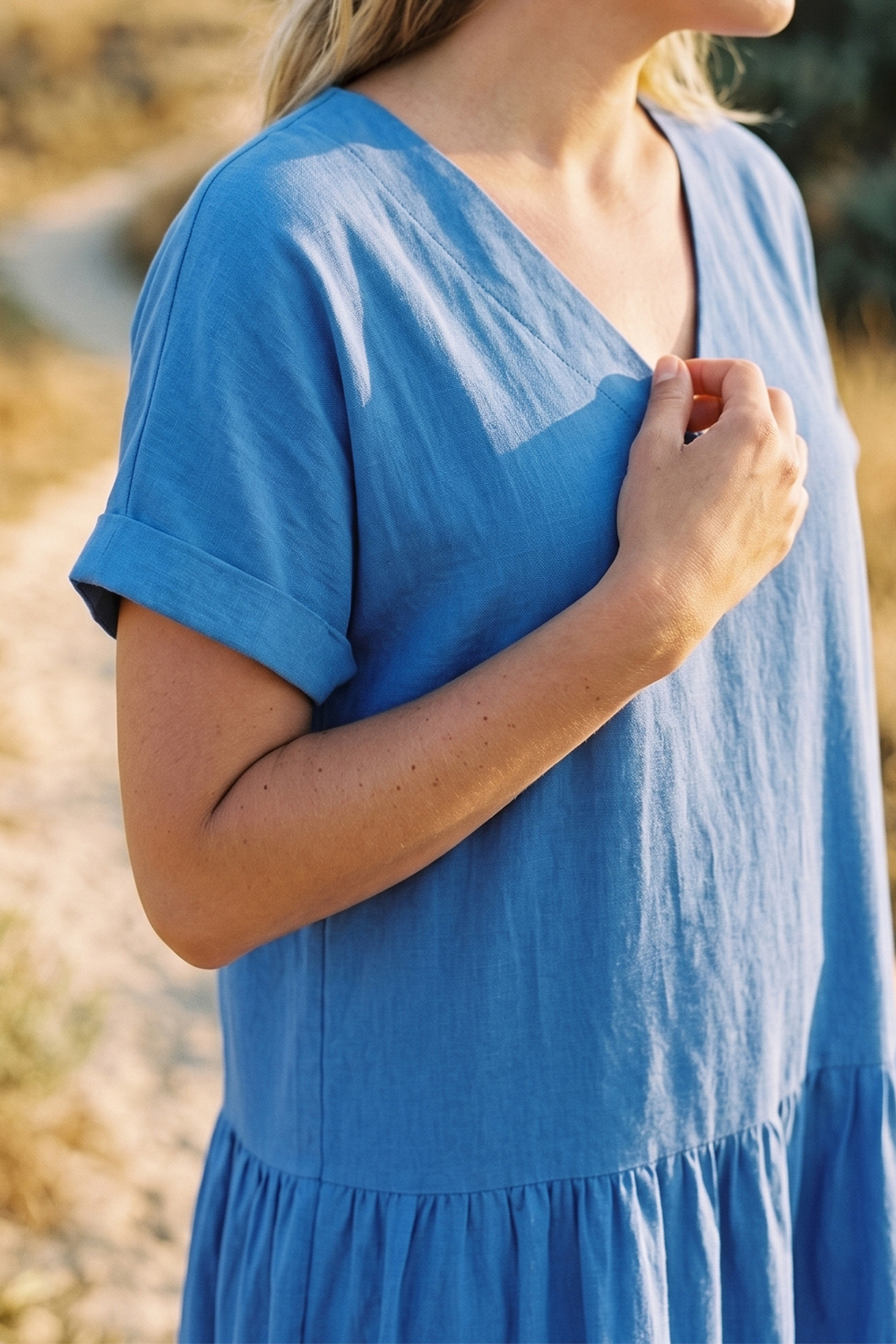 Achieving the Perfect Fit: A Guide to Dress and Jumpsuit Lengths
A practical editorial guide to wearing dresses and jumpsuits with more balance and repeatability.
Achieving the Perfect Fit: A Guide to Dress and Jumpsuit Lengths
A practical editorial guide to wearing dresses and jumpsuits with more balance and repeatability.