
 Free delivery in Ukraine upon full payment of the order
  Return of goods within 14 days

How to choose an oversized dress in 2026: a guide to style without extremes
An oversized dress is not just an item a couple of sizes larger, but a whole philosophy of style based on comfort and playing with proportions. But how to choose a model that will emphasize fragility rather than hide the figure under shapeless fabric? In our guide, we delve into the intricacies o...
How to choose an oversized dress in 2026: a guide to style without extremes
The oversized dress has long ceased to be a fleeting trend and has firmly established itself in wardrobes as a synonym for comfort, freedom, and relaxed elegance. Its journey from avant-garde runways to everyday life is a story about changing attitudes towards fashion and one's own body. Originating in the conceptual collections of 80s Japanese deconstructivists like Yohji Yamamoto and Rei Kawakubo, and getting a second wind in the grunge aesthetic of the 90s, today oversized is not a rebellion, but a conscious choice in favor of convenience and self-expression. It's not just clothes a few sizes too big, but a thoughtful cut, a play with proportions, and the ability to create a harmonious silhouette. The main task is not to "drown" in fabric, but to emphasize one's fragility, create intrigue, and ensure absolute freedom of movement.Dresses, jumpsuits
Many are stopped by common myths: "oversized makes you look fat," "it only suits tall and slender people," "I'll look sloppy in it." In reality, an incorrectly chosen cut, stiff, rigid fabric, or unsuccessful styling can indeed add unwanted volume. But if you approach the choice consciously, an oversized dress can work wonders: delicately hide figure nuances, create a feeling of lightness, and add a modern, intellectual touch to the look. In this article, we will analyze how to choose that very dress that will become your faithful companion, consider its adaptation for different body types, and situations when it is worth preferring more classic silhouettes.
What is the "right" oversized? Understanding cut and materials
The key difference between designer oversized and simply a large item is in its construction. It's a deliberate exaggeration of volumes in certain areas (shoulders, sleeves, main body) while maintaining the overall structure and correct proportions in others (e.g., length or neckline). Thoughtful oversized drapes around the body, creating a flowing silhouette, rather than hanging on it as a shapeless canvas. It's architecture, not randomness.
Cut architecture: what to pay attention to
Pay attention to the details that create the shape. The "right" oversized is recognizable by several markers:Jumpsuits
- Dropped shoulder line:The shoulder seam is significantly lower than the natural shoulder line. This creates a soft, sloping silhouette and visually relaxes the upper body, removing excessive strictness.
- Enlarged armhole:The space for the arm is wider than usual, which provides freedom of movement and supports the overall voluminous design. This is one of the key details distinguishing thoughtful oversized from simply a stretched item.
- Cocoon silhouette:The dress is wide in the waist and hips, but gently tapers towards the hem, creating a cozy and enveloping effect. This cut looks great on sweater dresses and models made of dense knitwear or neoprene.
- Voluminous sleeves:Puffed sleeves, "batwing," bishop, or simply wide straight sleeves are an important element that adds character to the item and supports the overall idea of volume. Often, sleeves become the main accent in the look.
- Asymmetry:Uneven hem, diagonal seams, drapes, or a wrap help make the silhouette more dynamic and complex, moving away from a "baggy" feeling. Asymmetry breaks the monolithic nature of the volume and adds lightness to the look.
- Strategic necklines and slits:A deep V-neckline or a back cutout visually elongates the silhouette and creates a vertical line, balancing horizontal volume. High slits on the sides or front show the legs when walking, making the look lighter and more seductive.
The magic of material: from structure to drape
Material plays no less important role than the cut. It is what determines how the dress will fit, move, and feel. The choice depends on what effect you want to achieve.
- For a clear silhouette:Dense cotton, poplin, denim, linen, eco-leather, corduroy, or suiting wool create an almost architectural form. Such a shirt dress or blazer dress will hold its shape well and become an excellent base for layered looks. These materials are ideal for the office and for creating a put-together yet comfortable look.
- For soft folds and movement:Flowing fabrics, such as silk, satin, viscose, modal, cupro, Tencel, or thin knitwear, create soft, airy drapes and emphasize the dynamics of movement. They delicately envelop the figure without adding extra volume and are ideal for creating feminine and relaxed looks.
- For comfort and texture:Knitted fabrics, cashmere, mohair, angora, boucle — these are synonyms for comfort. An oversized knitted dress is a must-have for the cold season. Choose models with a pronounced texture (braids, ribbing, "honeycombs") to add depth and tactile interest to the look.
Silhouette balance: what to wear with an oversized dress so as not to get lost in the fabric
The main rule for styling voluminous items is playing on contrasts. This applies to textures, volumes, and styles. Your task is to create focal points that will "bring" the look together and emphasize your individuality.
- Footwear as a foundation:If the upper part of the outfit is loose, then the footwear should "ground" it. Massive boots with a tractor sole, chunky Chelsea boots, slouchy boots, or Cossack boots create a strong contrast with the flowing fabric of the dress. For a more elegant look, heeled ankle boots, loafers, or even pumps are suitable — they emphasize the fragility of the ankles. In summer, oversized dresses look great with chunky sandals or platform sneakers.
- Open zones:Open ankles, wrists, or collarbones — a simple but effective technique that helps create a feeling of lightness. Don't be afraid to roll up sleeves to 3/4 length or choose dresses with a V-neckline. This creates "points of slenderness" and shows that an elegant figure is hidden beneath the voluminous fabric.
- Constructor accessories:These are your best helpers when working with volume. A wide leather belt worn at the waist will instantly transform the silhouette, making it more feminine and structured. A structured bag with a clear geometric shape (tote, satchel, box) will add polish to the look, while a soft shopper will emphasize a relaxed mood. Recently in a cafe, I saw a girl in a simple black oversized cotton dress, and her entire look was built around accent silver earrings and a bright red small bag. This proves that details decide everything.
- The art of layering:An oversized dress is the ideal base for layered outfits. Underneath it, you can wear a thin turtleneck or a shirt, letting the collar and cuffs show. Over it, you can throw on a cropped jacket, a long vest, or a trench coat. An interesting trick is to wear a shirt dress over narrow trousers or jeans, using it as a tunic.
Oversize for different occasions: from office to party
The versatility of oversize allows it to be adapted for any occasion, changing only accessories and context.Sportswear
Business comfort
To create a business look, acorduroy shirt dressor a model made of dense cotton in restrained tones (beige, gray, khaki, dark blue). A monochrome look always appears more expensive and stricter. Complement it with classic loafers or ankle boots with a stable heel, a strict jacket, and a briefcase bag. To prevent the silhouette from appearing too relaxed, you can add a thin leather belt to the waist. Such an outfit will look professional, yet provide comfort throughout the workday.
Relaxed weekends
On weekends, maximum comfort is desired. A knitted oversized dress is an ideal option for long walks or meetings with friends. Pair it with your favorite sneakers or trainers, a voluminous scarf, and a comfortable shoulder bag. In the cold season, you can wear a warm golf or a thin turtleneck of a contrasting color under such a dress, and complement the look itself, for example, with a wool sundress dress, creating an interesting and functional layered outfit. In summer, there's nothing better than a loose linen smock dress paired with espadrilles and a woven bag.
Evening out
Who said oversize isn't for parties? Imagine asilver dressof a loose cut made of flowing satin or fabric with a metallic sheen. Or a velvet model in a deep wine shade with an asymmetrical hem. Such an outfit doesn't require complex additions — simple sandals with thin straps, a small clutch, and statement earrings are enough. The contrast between the relaxed silhouette and the elegant texture of the material creates a truly memorable and modern look that speaks of confidence and excellent taste.In Ukrainian
When oversize is not your choice: alternatives and compromises
Despite all its appeal, a loose cut is not suitable for every situation and not for every mood. Sometimes you want to emphasize the figure, create a more strict and put-together look. A formal event with a strict dress code, an important business meeting, or simply the desire to feel different — there can be many reasons to choose a fitted silhouette. It is important to have differentwomen's dresses, to feel confident in any setting. The choice of silhouette is not only a matter of fashion but also a way of communication: oversize speaks of creativity and freedom, while a fitted cut speaks of structure, elegance, and tradition.
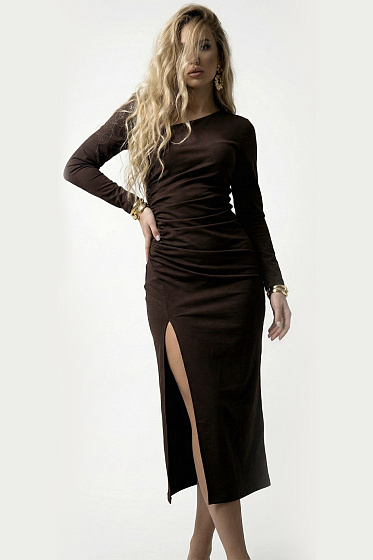
For moments when sophisticated elegance is needed, models that gently outline the figure will be more appropriate. For example,Chocolate form-fitting midi dress with a side slitmade of Italian knitwear creates a completely different mood. Its cut with an asymmetrical slit visually elongates the silhouette, giving a feeling of confidence and seductiveness. This is an excellent alternative to oversized, when classic femininity is desired.
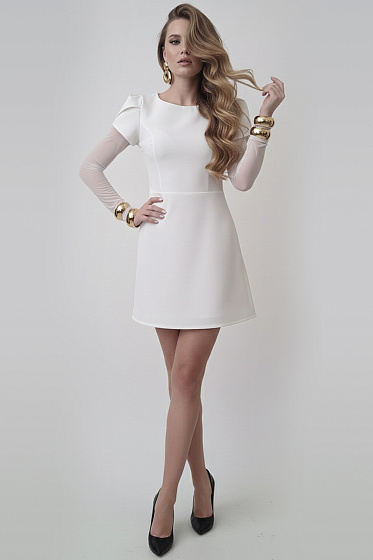
A compromise option could be a dress that combines both freedom and clear lines. Models with an accentuated waist and a loose skirt allow playing with volume without overloading the look. Thus,Milk-colored dress with an A-line skirtoffers lightness and dynamism due to its flared hem, but at the same time maintains a neat fit in the upper part. Asymmetrical details, like in this model, add modernity to the look and make it more interesting.SALE
How to combine different silhouettes: playing on contrasts
One of the most interesting stylistic techniques is combining items of different volumes in one look. This allows creating complex, multifaceted ensembles that one wants to examine. For example, you can throw an oversized "from a man's shoulder" blazer or a cozy chunky knit cardigan over a slip dress or a form-fitting knit dress. This way you will add an element of relaxation to the look, while maintaining an elegant base layer.
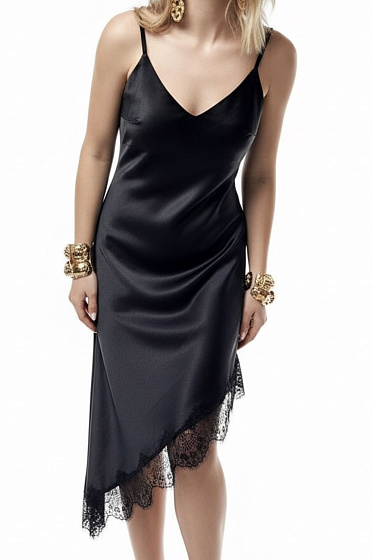
This technique works great with delicate fabrics. Let's take, for example,Chocolate silk dress with a V-neck. By itself, it creates a delicate and sensual look. But if you throw an oversized cashmere sweater over it, leaving only the lace hem visible, you get a cozy and stylish outfit for a cool evening. This is a great way to adapt light dresses for different seasons and situations, making the wardrobe more functional.
Checklist: how to find your ideal oversized dress
Before purchasing, ask yourself a few questions to ensure the correctness of your choice:
- Shoulder line:Look for models with a dropped shoulder seam — this is a key marker of a correct oversized cut, not just a larger-sized item.
- Fabric:Decide on the effect. Dense cotton for structure, viscose — for soft draping, wool — for comfort. Feel the material: it should be pleasant and drape well, not stand stiffly.
- Length:Experiment with proportions. Wear mini-oversized with high boots or over-the-knee boots, midi — with sneakers or ankle boots, and maxi — with minimalist sandals or mules. The correct length is the key to a harmonious silhouette.
- Details:Pay attention to the collar, cuffs, pockets, and seam quality. It is these elements that add neatness and character to the look, distinguishing a quality item.
- Balance:Before buying, think about what shoes and accessories from your wardrobe you can combine it with. The ideal oversized dress should easily fit into your existing style.
- Proportions:Make sure the dress doesn't 'swallow' you. You should feel free in it, not lost. Perhaps it's worth trying on a size smaller than you're used to taking in oversized models to find your ideal balance.
- Fitting and movement:Don't stand still in the fitting room. Walk around, sit down, raise your arms. See how the fabric behaves in motion. Comfort is a key characteristic of oversized items, and it should be not only visual but also physical.
- Personal style:Ask yourself if this dress reflects your individuality. The best item is one in which you feel like yourself. Oversized can be minimalistic, bohemian, sporty, or avant-garde. Find one that speaks your language.
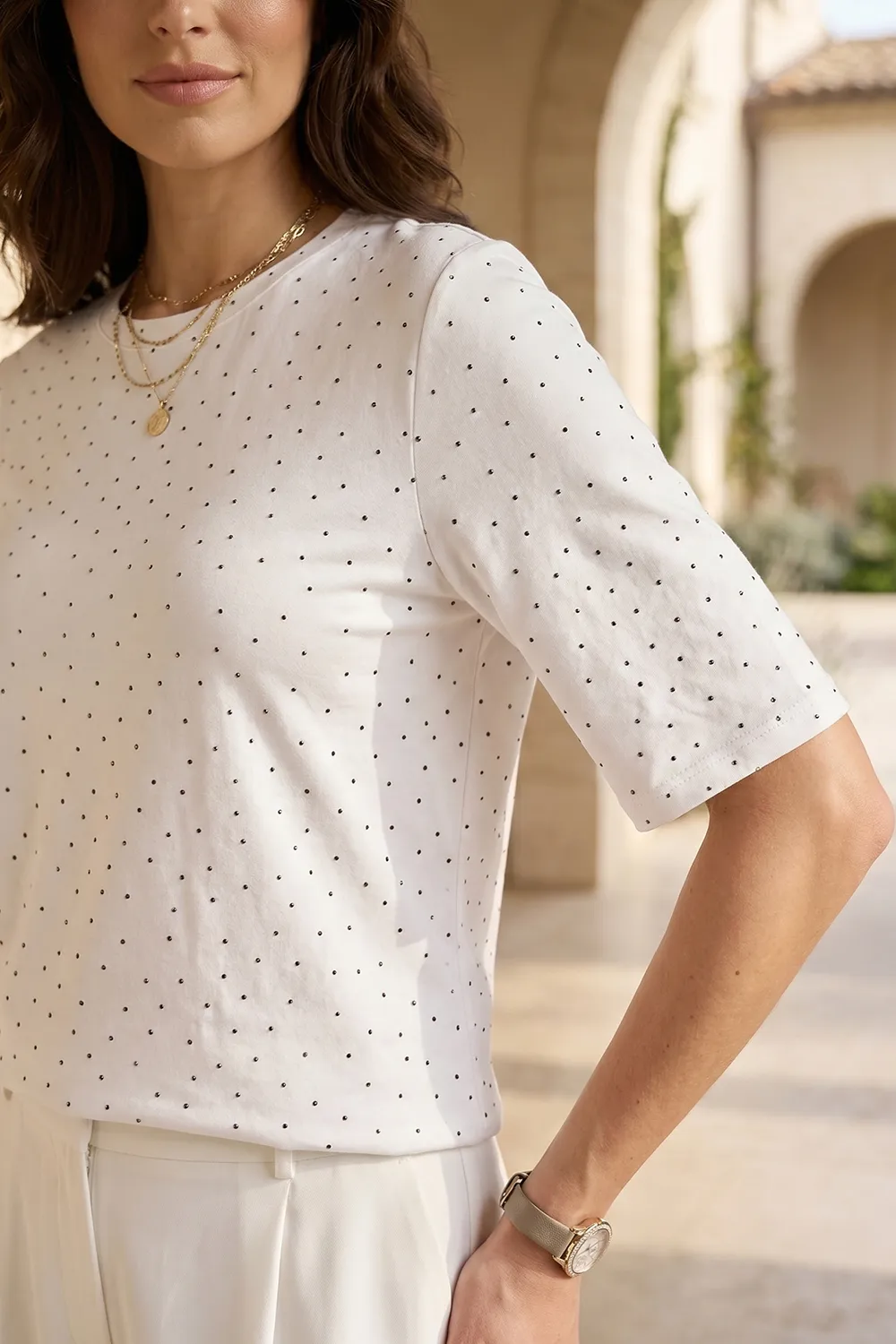 The Statement Top: How Unexpected Details Elevate Your Everyday Style
A practical editorial guide to wearing t-shirts, tops, bodysuit, longsleeves with more balance and repeatability.
The Statement Top: How Unexpected Details Elevate Your Everyday Style
A practical editorial guide to wearing t-shirts, tops, bodysuit, longsleeves with more balance and repeatability.
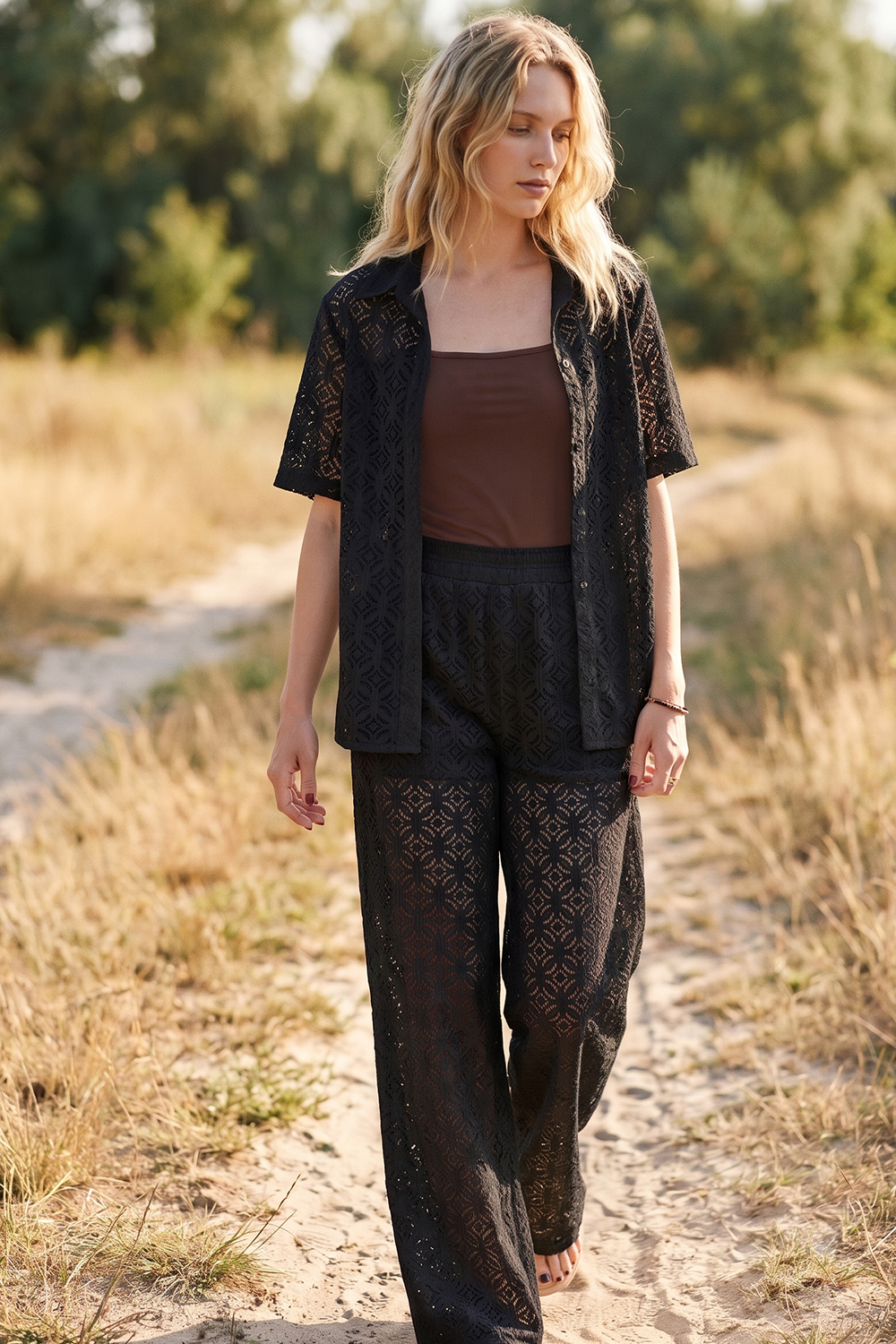 Sportswear's Urban Takeover: Elevating Everyday Style
A practical editorial guide to wearing sportswear with more balance and repeatability.
Sportswear's Urban Takeover: Elevating Everyday Style
A practical editorial guide to wearing sportswear with more balance and repeatability.
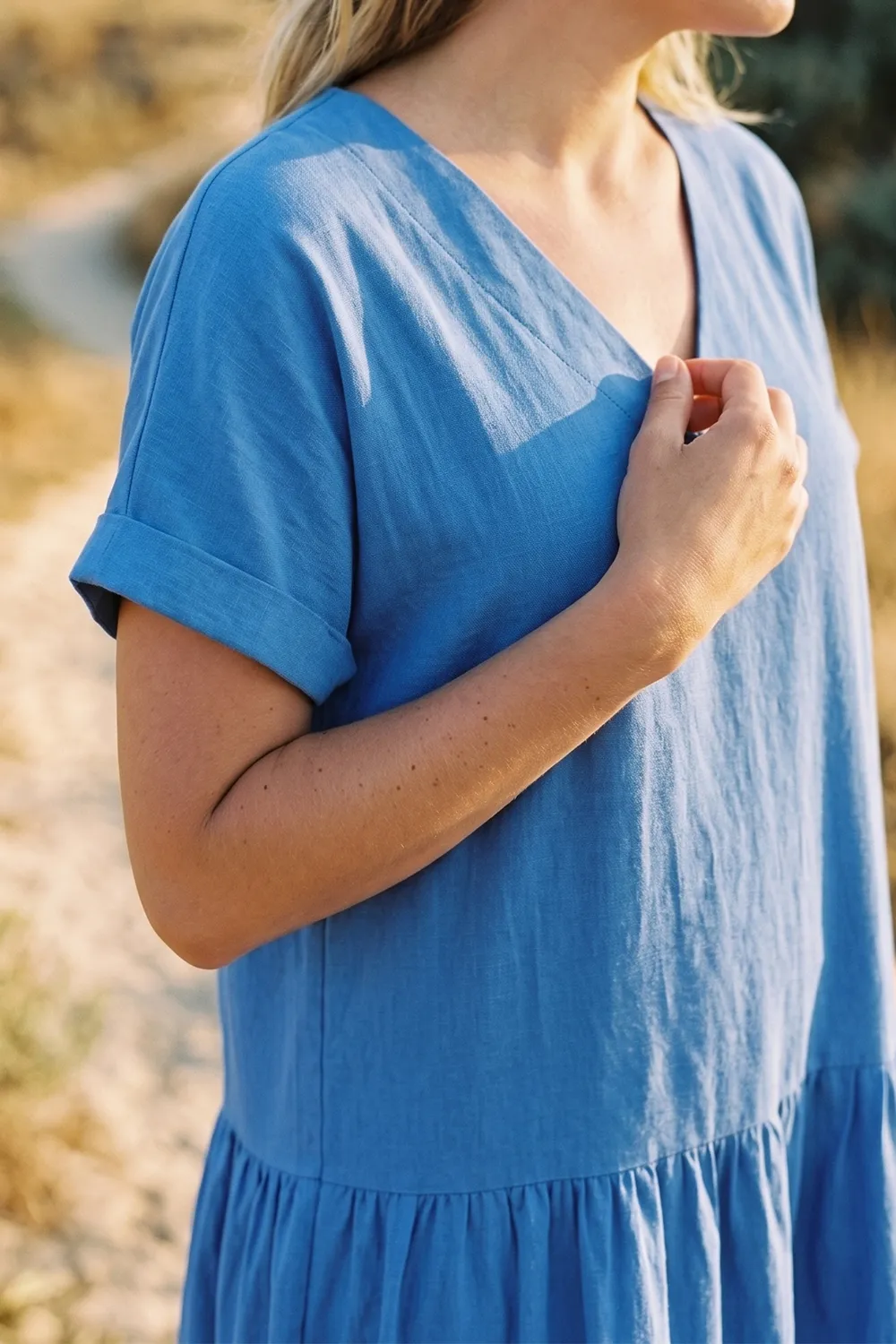 Achieving the Perfect Fit: A Guide to Dress and Jumpsuit Lengths
A practical editorial guide to wearing dresses and jumpsuits with more balance and repeatability.
Achieving the Perfect Fit: A Guide to Dress and Jumpsuit Lengths
A practical editorial guide to wearing dresses and jumpsuits with more balance and repeatability.