
 Free delivery in Ukraine upon full payment of the order
  Return of goods within 14 days

How to choose a women's coat in 2026: A Practical Guide to Style and Combinations
Choosing a women's coat is more than just buying a warm item. It's a decision that will define your style for several months ahead. In our guide, we move away from fleeting trends and focus on the main thing: how to find a coat that perfectly fits your lifestyle and complements your existing ward...
How to choose a women's coat in 2026: A Practical Guide to Style and Combinations
That day of the year arrives when the morning air becomes truly crisp, and the first thought upon waking is “it’s time to get out the coat.” This item is not just a way to keep warm. It’s an investment, the foundation of your autumn-winter wardrobe, and a reflection of your style for the next few months. Choosing the perfect coat can seem like a daunting task, especially when trends change and stores offer hundreds of options. This is not just a purchase, but a strategic decision that will determine your comfort and self-confidence throughout the cold season.Dresses, jumpsuits
The goal of this guide is to move away from generic advice and help you make an informed choice. We won't talk about "season must-haves" that will lose relevance in a year, but rather how to find that perfect women's coat that will serve you for years, fit perfectly into your rhythm of life, and harmonize with your existing items. After all, the best purchase is one that doesn't gather dust in the closet, but actively lives with you, becoming your faithful companion in the urban jungle and beyond. It's an investment in your own comfort, elegance, and long-term style.
Beyond Trends: Defining Your Base
Before you start your search, whether online or in stores in Kyiv, it's important to conduct a small audit of your own lifestyle. This is the most crucial step that will save you time, money, and nerves. Ask yourself a few simple but key questions. How do you get around the city? If you mostly drive, a long coat might not be the most practical solution, constantly creasing and getting in the way. Whereas for long walks, it's indispensable, protecting against the biting wind. Do you work in an office with a strict dress code or prefer casual wear? The answers to these questions are your main filter when choosing.
The key idea is that the coat should work for you and your wardrobe, not the other way around. A good indicator is the "70% rule": outerwear should easily combine with at least 70% of your everyday outfits. This doesn't mean everything has to be the same color. It's about the harmony of silhouettes, styles, and moods. Think about your favorite dresses, trousers, sweaters – what coat will be their ideal companion? Imagine at least 5-7 ready-made outfits with a potential purchase.Shirts, blouses
To simplify the task, use this short self-analysis checklist:
- My main transport:Car (requires a shorter model that doesn't restrict movement) / Public transport (durability and a non-marking color are important) / On foot (priority is warmth and wind protection).
- My dominant style:Business (classic silhouettes, neutral colors) / Casual (oversize, parkas, bright models) / Romantic (fitted silhouettes, wrap coats, interesting details) / Sporty (quilted models, bombers).
- Wardrobe color palette:Neutral (you can afford a bright accent coat) / Bright (better to choose a basic coat that will balance the looks) / Pastel (both light and deep rich shades will suit).
- Most often I wear:Trousers and jeans (any length will do) / Dresses and skirts (it's important that the hem of the coat is longer than the hem of the skirt or dress for a harmonious look).
Material — the foundation of durability and comfort
The composition of the fabric is what you should pay attention to first, even before the style. It is the material that determines how warm, durable, and presentable your coat will be.
- Wool:A classic. Natural wool insulates well, "breathes," and maintains a good appearance for a long time. Look for virgin wool or merino wool in the composition. A coat with 100% wool is an excellent investment.
- Cashmere:The king among materials. Incredibly soft, light, and yet several times warmer than regular wool. A 100% cashmere coat is a luxury that requires delicate care. A more affordable and practical option is wool with added cashmere (10-30%), which makes the fabric softer and warmer.
- Alpaca and Mohair:These materials add a characteristic fluffy texture to the fabric. They are very warm, light, and durable. A coat made of alpaca or with its addition looks cozy and prestigious.
- Blended fabrics:Don't be afraid of a small percentage of synthetics (polyamide, polyester) in the composition. Up to 20-30% of synthetic fibers make the fabric more durable, resistant to creasing and abrasion, and also reduce the cost of the product. The main thing is that natural fibers form the basis.
- Lining:Be sure to pay attention to the lining. The best choice is viscose or cupro. They are hygroscopic, pleasant to the body, and durable. Cheap polyester can electrify and does not allow the body to breathe.
Silhouette and length: How not to make a mistake with proportions
The silhouette is the character of your coat, its architecture. A correctly chosen cut can correct the figure and create the desired impression.Trousers
- Classic straight cut:A timeless base that suits almost everyone. It creates a strict vertical, visually elongating the silhouette. Easily adapts to different styles – from business with pumps to relaxed with sneakers.
- Oversize models:They give a feeling of comfort and freedom, allowing you to create complex layered looks with voluminous sweaters. However, they can "eat up" height if you are petite. In this case, choose models with a clear shoulder line or wear them with a belt.
- Wrap coat:A model with a belt elegantly emphasizes the waist, creating a feminine and elegant X-shaped silhouette. Ideal for "hourglass" and "pear" body types, adding relaxed luxury to the look.
- Cocoon coat:A recognizable silhouette with sloped shoulders and a tapered hem. It adds a touch of retro chic and artistry to the look. It looks great on tall and slender girls, hiding excessive thinness and creating an interesting volume.
Length plays no less important role in creating a harmonious look.
- Short (to mid-thigh):Convenient for an active lifestyle and for those who spend a lot of time driving. Perfectly combined with trousers and jeans.
- Midi (covering the knee or to mid-calf):The most versatile and popular length. It looks good with both trousers and skirts of various lengths, protecting from wind and cold. Creates an elegant and put-together look.
- Maxi (to the ankle):Looks very impressive and provides maximum warmth. Requires a careful approach to shoe selection (a heel or platform is often necessary) and can be impractical in slushy weather. This is a choice for the bold and self-confident.
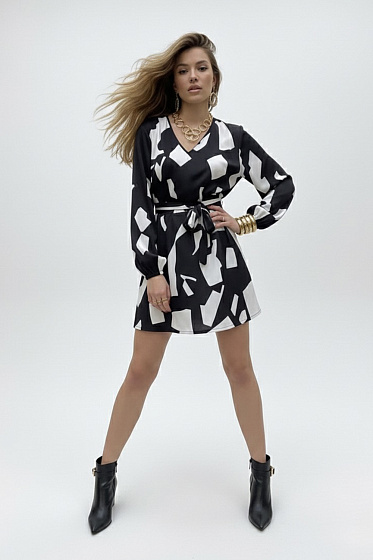
Imagine how a lightLong-sleeved silk mini dress. The contrast of dense woolen outerwear fabric and flowing silk will create an interesting and thoughtful look. In such an outfit, the coat does not hide, but elegantly frames your main outfit, which is especially important when you come to the theater, an exhibition, or a restaurant.
What to wear under a coat? Creating harmonious layers
The art of layering is key to comfort and style in the cold season. What you wear under your coat is just as important as the coat itself. The main rule is the balance of volumes. For a fitted coat, it's better to choose smoother textures: a thin cashmere jumper, a turtleneck, or a silk blouse. For an oversized model, you can safely wear a bulky chunky knit sweater, a hoodie, or even a thin quilted vest for extra warmth.Jumpsuits
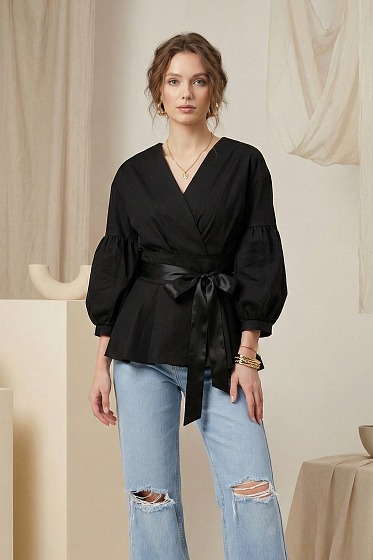
For a business or elegant casual look, a non-trivial blouse is ideal under a straight-cut coat. For example,White wrap shirt with pleatsmade of cotton. Its asymmetrical cut and interesting details on the back will add a highlight when you take off your outerwear indoors. This is exactly the case when the look is thought out to the smallest detail, and even a basic white shirt looks fresh, modern, and interesting.
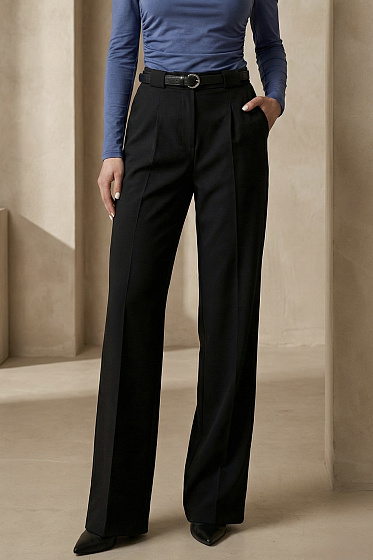
If you prefer trouser sets, thenChocolate straight-cut trousers. A deep chocolate shade will add nobility and warmth to the look, and a straight cut will harmonize with most outerwear silhouettes, visually elongating the legs. This combination is an example of how a basic item in the right, complex color can make the entire outfit look more expensive and aristocratic.
Color and Print: An Investment in Classics or a Bold Accent?
The choice of color is always a dilemma between long-term versatility and the desire to stand out. Coats in basic colors — black, beige (camel), grey, dark blue — are a win-win investment. They easily combine with any clothing, never go out of style, and always look appropriate. Such a coat will become your faithful companion for many seasons.Shirts
- Black:Elegant, but can be too strict. To avoid gloominess, combine it with bright accessories or light-colored items.
- Beige/Camel:A synonym for luxury and good taste. Suits almost everyone, refreshes the complexion, and easily combines with other colors.
- Grey:Versatile and noble. From light grey melange to dark anthracite — grey is an ideal background for any color experiments.
On the other hand, a bright coat is a powerful stylistic statement. It can instantly transform the simplest outfit of jeans and a sweater. If your wardrobe predominantly consists of neutral shades, a colored coat (emerald, burgundy, mustard) can become the very accent it was lacking. Remember how the grey sky of a Kyiv morning immediately seems friendlier when someone in a fuchsia-colored coat walks by. Sometimes color is not just a trend, but a way to lift your own mood and that of those around you.
One should not forget about prints either. Classic "Prince of Wales" check or "houndstooth" is just as classic as plain beige. They add dynamism and texture to the look. The principles of choice here are the same as for bright colors: a printed coat looks best with plain items to avoid overloading the outfit. This same approach applies to choosing a women's printed jacket — it becomes the main hero of the look, and all other elements support it.
Not Just a Coat: Alternatives for the Off-Season
Although a classic coat is the foundation of a wardrobe, the weather often demands more flexible solutions. On warm autumn days or early spring, other heroes come to replace it, making the wardrobe more diverse and functional.
- Trench coat:An immortal classic for rainy and windy weather. Ideal for creating elegant looks in Parisian chic style.
- Quilted jacket:Light, warm, and incredibly comfortable. Modern models are far from a dacha style — these can be cropped bombers, and long quilted coats that fit perfectly into urban casual.
- Leather trench coat:A bold and charismatic choice. Protects from wind and moisture, adding a touch of grunge or strict elegance to the look depending on the cut.
- Shirt-jacket (Shacket):A hybrid of a shirt and a jacket made of dense wool, tweed, or corduroy. An ideal item for layered looks: it can be worn as an outer layer in warm autumn or as an intermediate layer under a coat in winter.
In recent years, the trend of blurring the lines between home and outdoor clothing has also been gaining popularity. Cozy coat-cardigans, soft shirt-jackets made of dense fabrics, which can be thrown on for a trip to a coffee shop or for working from home, are becoming increasingly popular. This is a kind of 'home jacket' for the outside world, offering an unparalleled sense of comfort without sacrificing style. They are ideal for informal looks and relaxed weekends.
Practical tips for care and storage
For your coat to delight you for more than one season and look like new, you need to care for it properly. This is the final, but no less important step.
- Cleaning:Most wool and cashmere models require professional dry cleaning. Do not try to wash them at home to avoid damaging the item. Do this as they get dirty, but always — at the end of each season before storage.
- Daily care:During the season, regularly brush the surface with a special clothing brush with natural bristles. This removes dust, lint, and helps maintain the fabric's fresh appearance. Move in the direction of the nap.
- Drying:If you get caught in the rain or snow, hang the coat on wide hangers and let it dry naturally at room temperature, away from radiators and heaters.
- Storage:At the end of the season, take time for proper storage. Be sure to take the coat to the dry cleaner. Store it on wide wooden or padded hangers to avoid deformation of the shoulder line. Use a breathable fabric cover (not plastic!) and do not forget to put moth repellent in the closet, such as lavender sachets or cedar balls.
Such a thoughtful approach to selection and care guarantees that your coat will become not just an item for one season, but a true friend and reliable protection from the cold for many years.
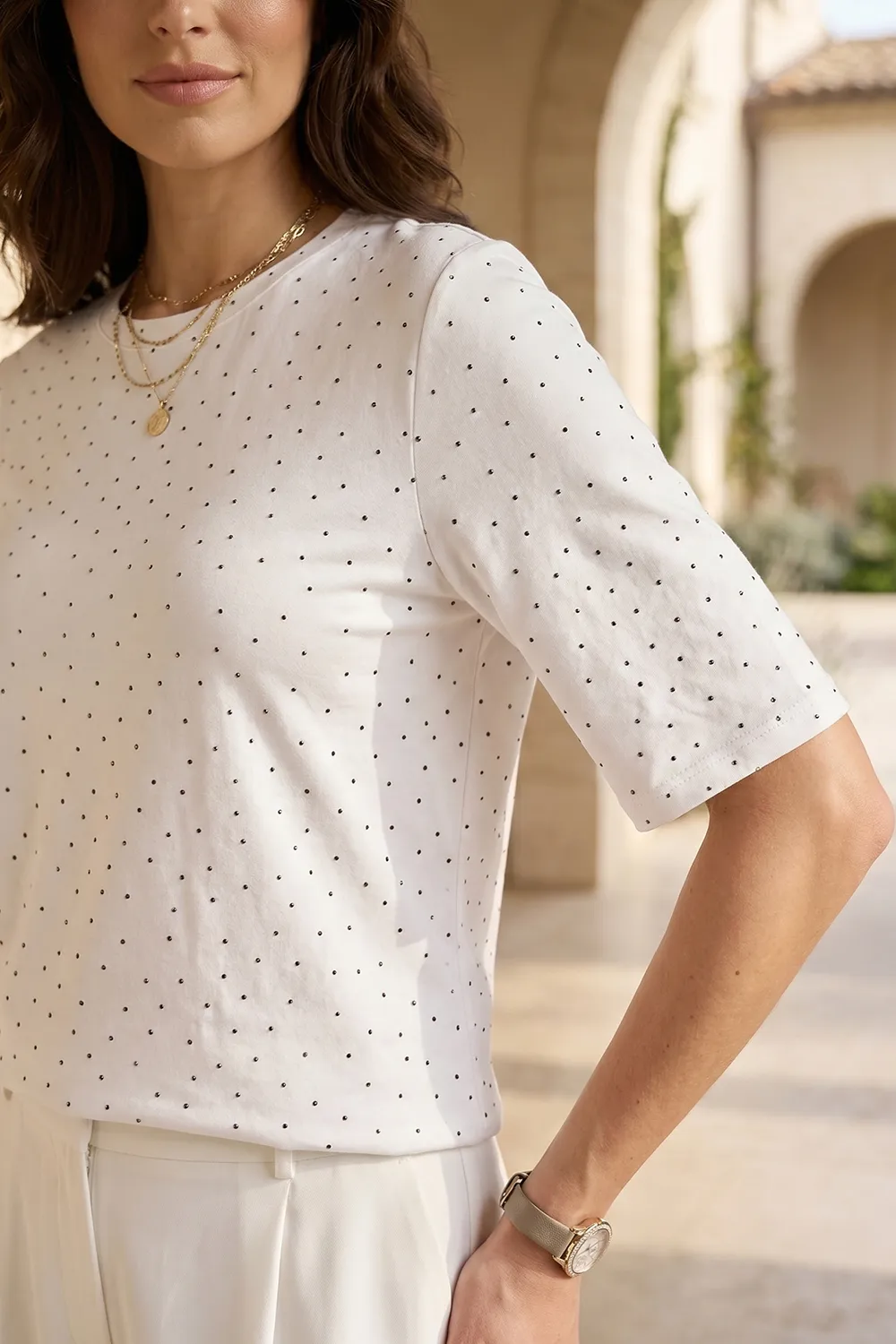 The Statement Top: How Unexpected Details Elevate Your Everyday Style
A practical editorial guide to wearing t-shirts, tops, bodysuit, longsleeves with more balance and repeatability.
The Statement Top: How Unexpected Details Elevate Your Everyday Style
A practical editorial guide to wearing t-shirts, tops, bodysuit, longsleeves with more balance and repeatability.
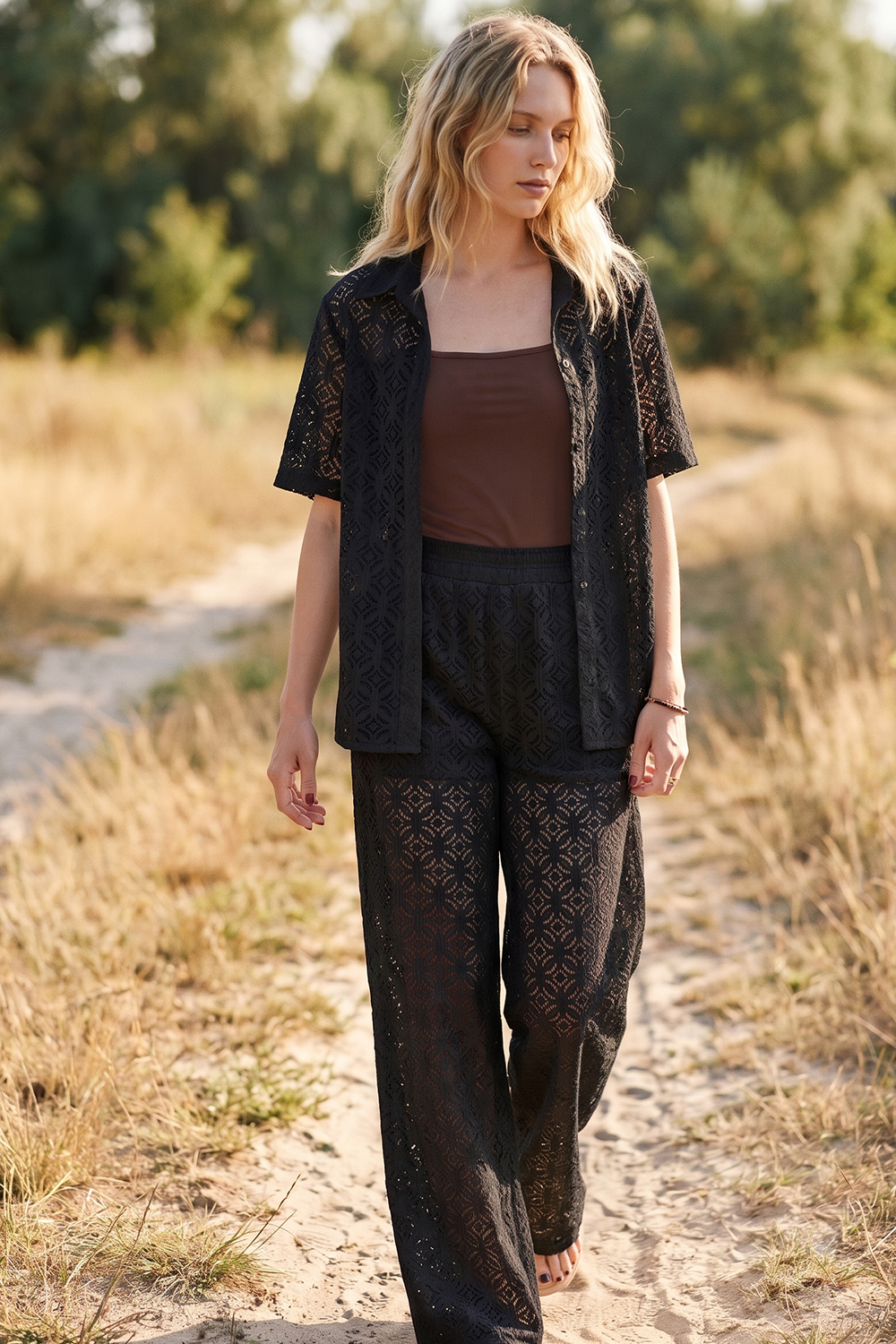 Sportswear's Urban Takeover: Elevating Everyday Style
A practical editorial guide to wearing sportswear with more balance and repeatability.
Sportswear's Urban Takeover: Elevating Everyday Style
A practical editorial guide to wearing sportswear with more balance and repeatability.
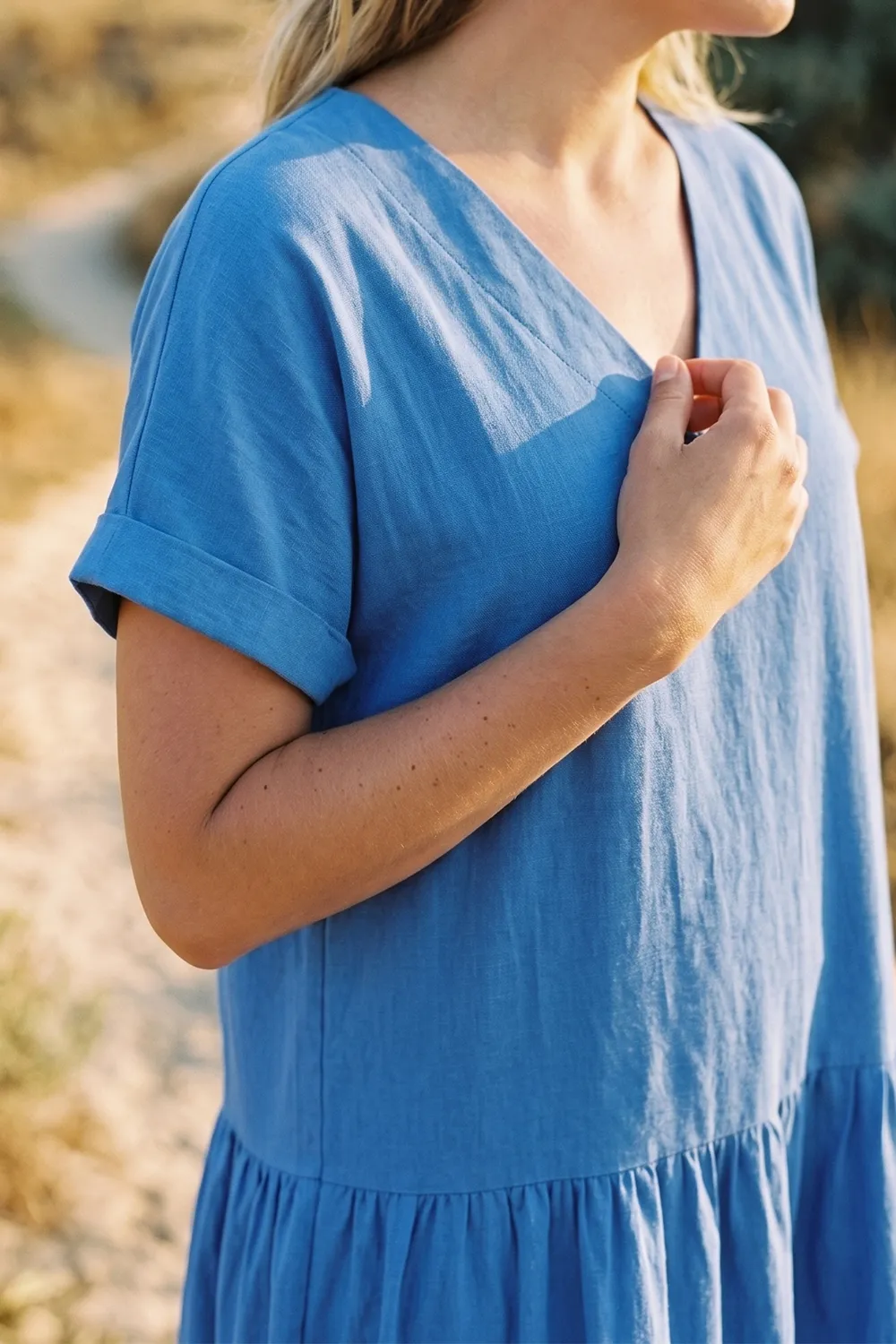 Achieving the Perfect Fit: A Guide to Dress and Jumpsuit Lengths
A practical editorial guide to wearing dresses and jumpsuits with more balance and repeatability.
Achieving the Perfect Fit: A Guide to Dress and Jumpsuit Lengths
A practical editorial guide to wearing dresses and jumpsuits with more balance and repeatability.