
 Free delivery in Ukraine upon full payment of the order
  Return of goods within 14 days

Your Guide to Transitional Blazers: Key Fabrics for Effortless Spring and Fall Looks
Discover how to choose and style blazers made from transitional fabrics like linen blends, lightweight wool, and Tencel. Our tips will help you create elegant and comfortable looks for unpredictable spring and autumn weather.
Your Guide to Transitional Blazers: Key Fabrics for Effortless Spring and Fall Looks
The Art of In-Between Seasons: Why Your Blazer's Fabric is Your Main Ally
Spring and autumn are times for elegant solutions and fashion challenges. When the morning chill gives way to daytime warmth, a transitional blazer becomes a key wardrobe item. But the secret to a perfect look lies not only in the cut but also in the material. Properly chosen fabric ensures comfort, defines the silhouette, and dictates style rules. In this article, we'll explore how the characteristics of linen blends, lightweight wool, and Tencel affect a blazer's fit and how to use them to create impeccable ensembles. This is a true exploration of 'material science of style' that will help you navigate the world of {{anchor}}.
Linen Blends and Cotton Twill: Prioritizing Texture and Comfort
When it comes to a spring-summer wardrobe, linen is the first fabric that comes to mind. However, for transitional seasons, it's better to choose linen blends, for example, with viscose or cotton. Such materials wrinkle less, hold their shape better, and still retain their signature breathability and pleasant texture. Blazers made from linen blends or dense cotton twill create a more relaxed yet put-together silhouette. Their slight nonchalance is ideal for smart casual looks. Pair them with straight-leg jeans, basic t-shirts, or thin cashmere jumpers for comfortable and stylish city strolls or informal business meetings.
Lightweight Wool and Tencel: Elegance and Impeccable Drape
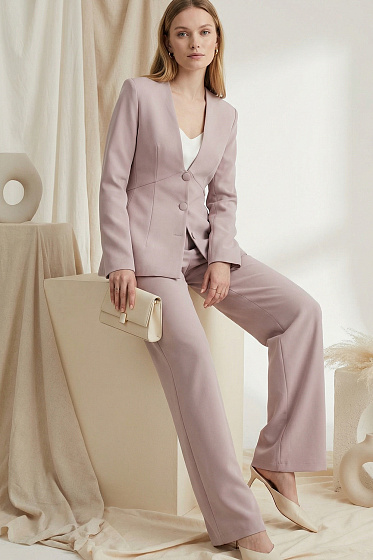
For more formal and refined looks, blazers made from lightweight wool or modern materials like Tencel (lyocell) are indispensable. Lightweight wool has a unique ability to adapt to body temperature, providing warmth in cool weather and comfort in heat. It holds its shape excellently, creating a sharp and structured silhouette. Tencel, in turn, is distinguished by its silky texture and incredibly beautiful drape. It flows softly over the figure, highlighting its advantages. Modern blended fabrics, such as the 'Barbie' suiting fabric from which {{anchor}} is made, also offer excellent drape and comfort, making them a great choice for fitted silhouettes.
Secrets of Layering: How to Stay Warm in Style
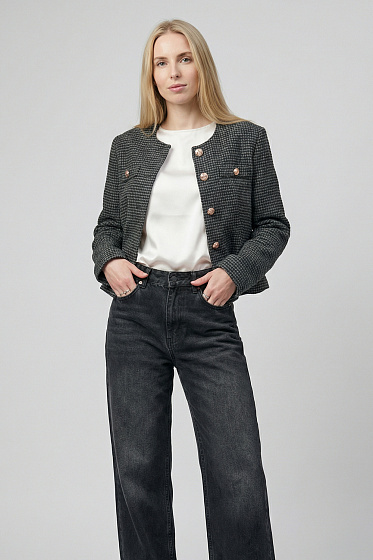
A transitional blazer is the ideal foundation for layered outfits. Its main advantage is that it adds structure without creating unnecessary bulk. Under a lightweight blazer, you can wear a thin turtleneck, a silk blouse, or a cashmere long-sleeve top. On colder days, layer a light trench coat or a classic coat over it – the blazer will serve as an elegant middle layer that can be showcased indoors. Cropped models look particularly interesting in layered ensembles. For example, a Chanel-style jacket, like {{anchor}}, creates a striking silhouette when paired with a sheath dress or high-waisted trousers, without overwhelming the look.
Harmony of Color and Texture: Finishing Touches
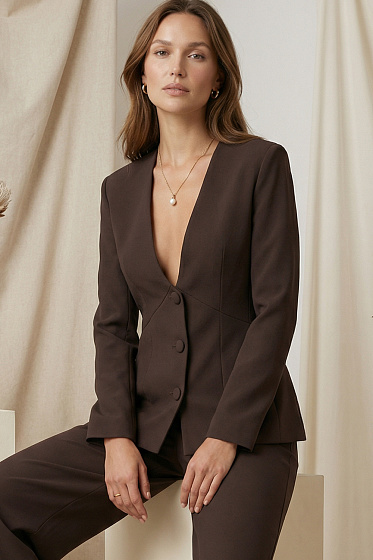
Choosing the right fabric is half the battle. The other half is the harmonious combination of colors and textures. For transitional seasons, deep, natural shades are ideal: chocolate, olive, beige, terracotta, and the entire gray palette. These colors easily combine with each other and serve as an excellent base for any wardrobe. Deep chocolate shades, as seen in this fitted blazer and its matching {{anchor}}, serve as a beautiful foundation for autumn and spring wardrobes. Don't be afraid to play with contrasting textures: the smoothness of Tencel or wool perfectly complements the roughness of denim, the softness of cashmere, or the sheen of leather accessories. It is in such details that the true art of style manifests itself.
FAQ
How to care for blazers made from delicate transitional fabrics?
Always check the care label. For blazers made from lightweight wool and blended fabrics with viscose, professional dry cleaning is preferred. Items made from cotton and Tencel can be washed on a delicate cycle at a low temperature. To refresh a blazer and remove wrinkles, use a steamer instead of an iron.
Can a linen blazer be worn in autumn?
Yes, especially if it's a linen blend blazer in a dark or neutral shade. To adapt it to autumn weather, pair it with warmer items: a wool turtleneck, thick trousers, and closed-toe shoes, such as loafers or ankle boots.
Which blazer cut is best for layered looks?
For creating layered ensembles, straight-cut or oversized blazers are best, as they provide enough room for underlying layers. However, fitted jackets can also be part of such a look if paired with thin and smooth fabrics like silk or fine knitwear.
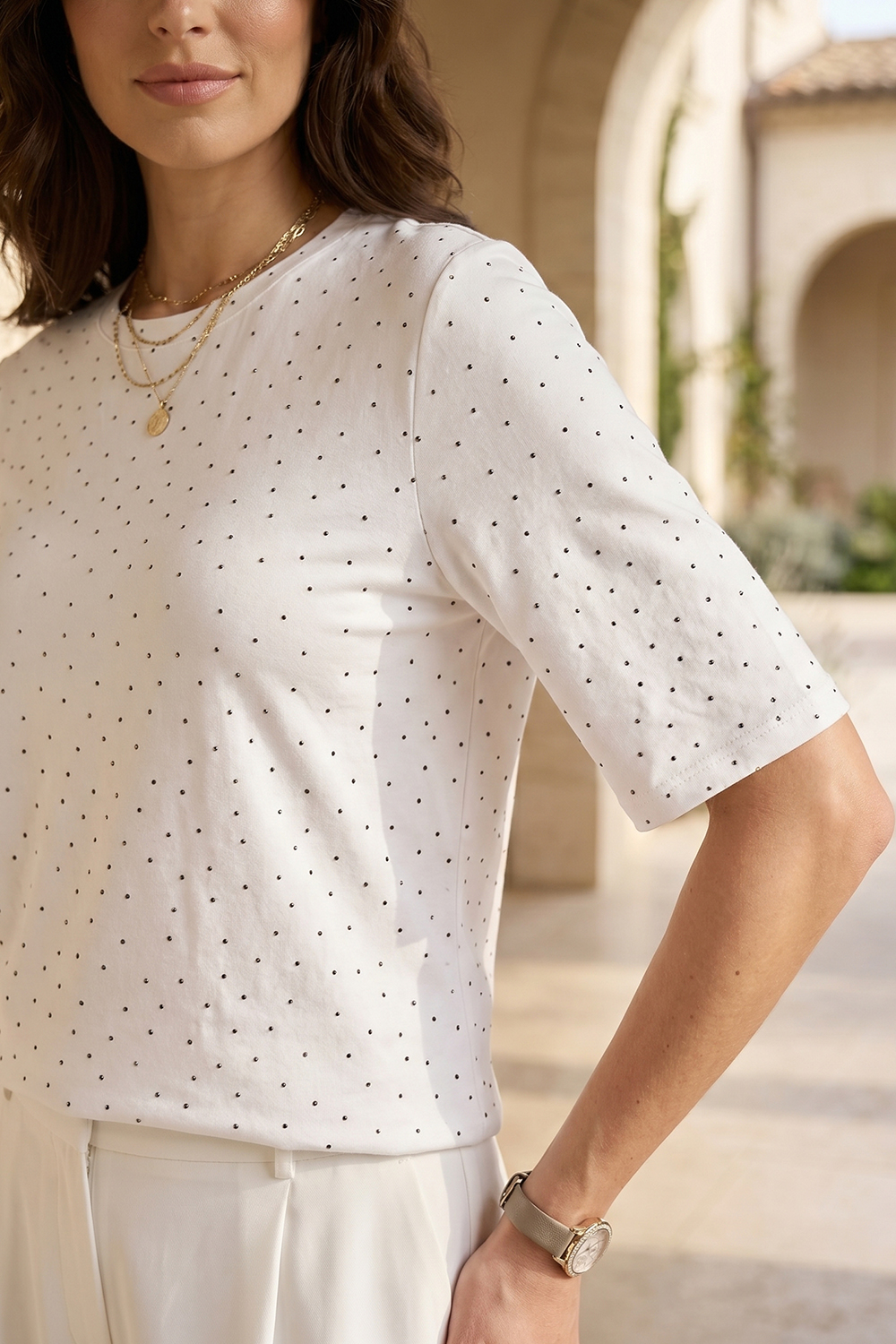 The Statement Top: How Unexpected Details Elevate Your Everyday Style
A practical editorial guide to wearing t-shirts, tops, bodysuit, longsleeves with more balance and repeatability.
The Statement Top: How Unexpected Details Elevate Your Everyday Style
A practical editorial guide to wearing t-shirts, tops, bodysuit, longsleeves with more balance and repeatability.
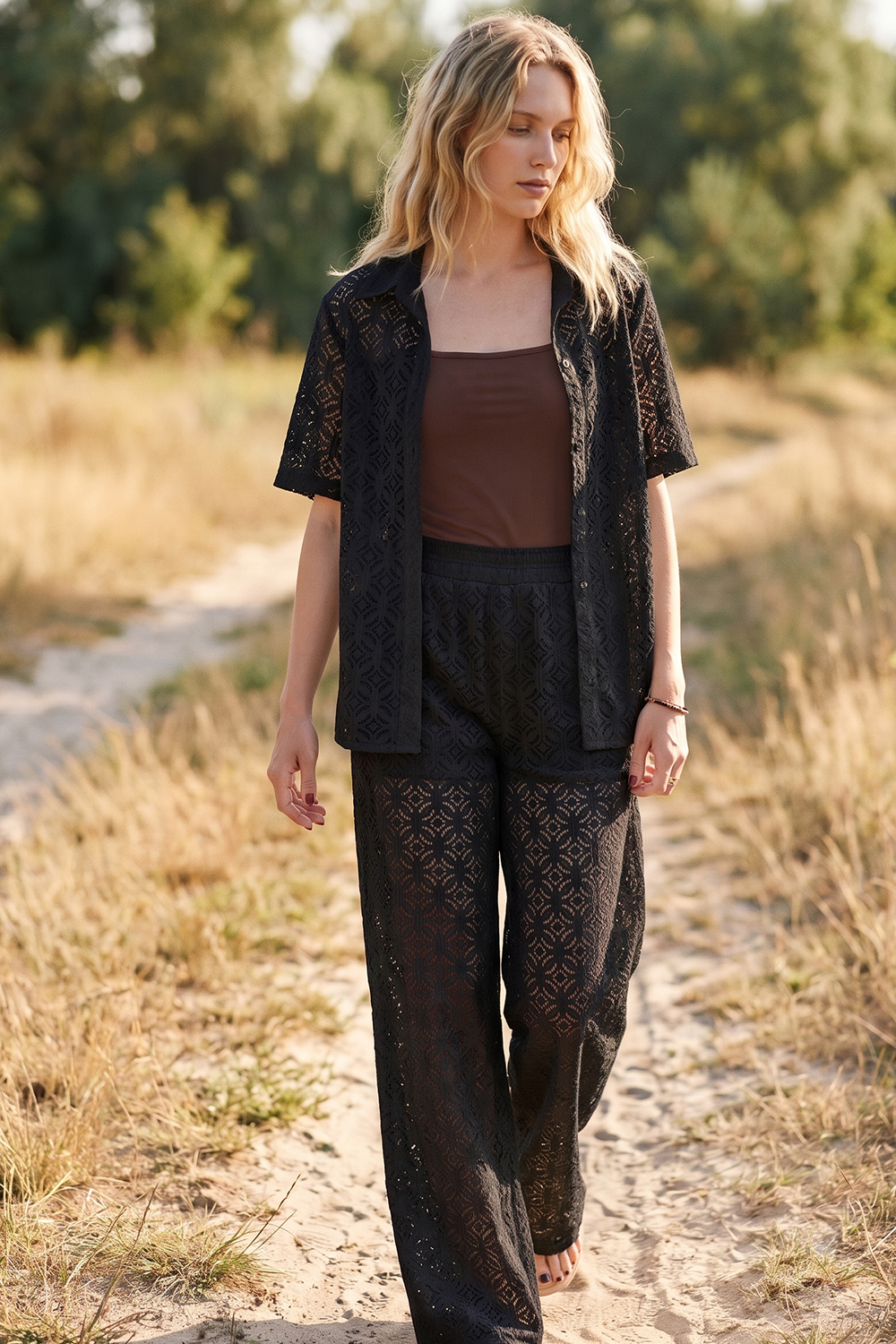 Sportswear's Urban Takeover: Elevating Everyday Style
A practical editorial guide to wearing sportswear with more balance and repeatability.
Sportswear's Urban Takeover: Elevating Everyday Style
A practical editorial guide to wearing sportswear with more balance and repeatability.
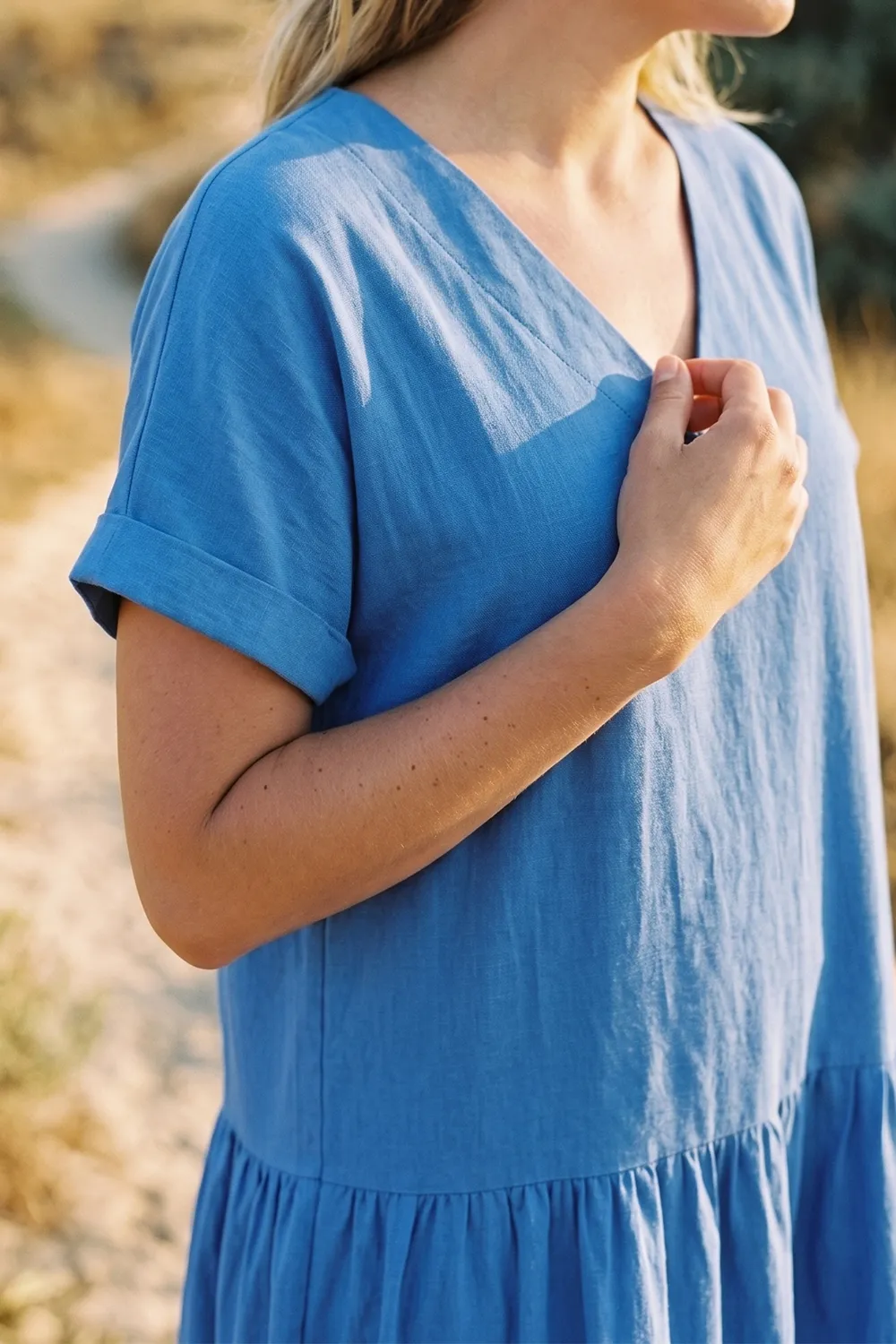 Achieving the Perfect Fit: A Guide to Dress and Jumpsuit Lengths
A practical editorial guide to wearing dresses and jumpsuits with more balance and repeatability.
Achieving the Perfect Fit: A Guide to Dress and Jumpsuit Lengths
A practical editorial guide to wearing dresses and jumpsuits with more balance and repeatability.