
 Free delivery in Ukraine upon full payment of the order
  Return of goods within 14 days

Texture Play: Crafting Dynamic Blazer and Trouser Ensembles
Discover the art of texture mixing. Learn how to combine blazers and pants made from different materials—from wool and linen to silk and leather—to create complex, multifaceted, and stylish looks.
Texture Play: Crafting Dynamic Blazer and Trouser Ensembles
Introduction: The Third Dimension of Style
When we think about a successful outfit, color and silhouette are often the first things that come to mind. But there's a third, often overlooked dimension that adds depth and character: texture. The tactile qualities of a fabric—its smoothness, roughness, sheen, or matte finish—can transform a simple blazer and pant combination into a statement of refined style. It's the difference between an outfit that looks good and one that feels truly special.
The ABCs of Materials: Key Textures in Your Wardrobe
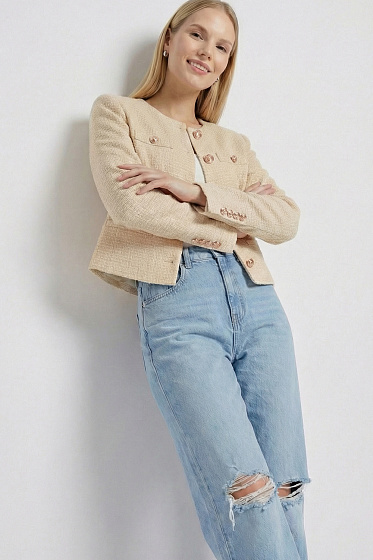
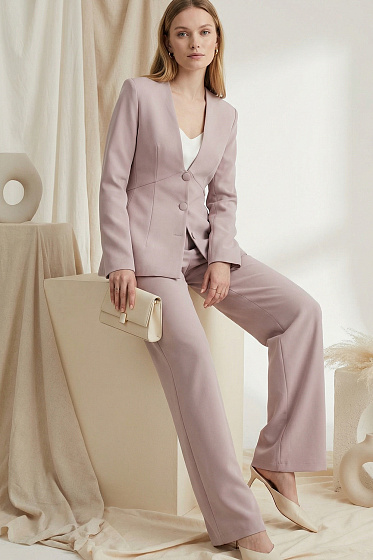
To master the art of texture mixing, it's essential to understand the character of different fabrics. Wool and tweed are classic choices for blazers, providing structure and warmth. Wool is often smooth, while tweed has a distinctive rough, nubbly surface. Linen and cotton are warm-weather wardrobe staples, known for their crispness and slight creasing. Silk and satin introduce luxury and fluidity with their smooth surface and subtle sheen, creating a beautiful contrast with more structured, matte materials. Finally, leather and suede add a touch of edginess and opulence, offering both sleek and velvety surfaces.
The Art of Contrast: Key Principles of Combination
The secret to successful texture mixing lies in creating deliberate yet balanced contrast. Here are three fundamental principles to guide your experiments.
smooth chocolate this piece
this chocolate this piece
From Theory to Practice: Creating Outfits with Character
Let's apply these principles to create compelling outfits for various occasions. The goal is to let textures tell a story.
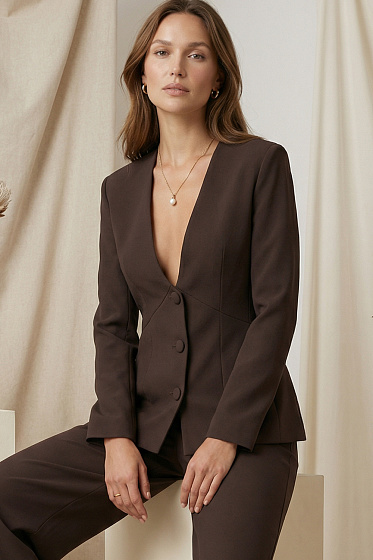
A monochromatic look doesn't have to be boring. For example, a chocolate-toned outfit combining a fitted blazer and straight-leg trousers becomes infinitely more interesting with the addition of accessories in different textures: a suede belt, a leather bag, and patent leather shoes. The single color unifies the look, while varied textures add depth.
this black this piece
Even casual outfits benefit from texture play. Try a soft corduroy blazer with classic jeans or a crisp linen jacket with soft cotton chinos. This adds a thoughtful touch to everyday style.
The Finishing Touch: Don't Forget Accessories
our full collection of Blazers, Costumes
FAQ
Can you combine two 'active' textures, such as tweed and corduroy?
Yes, it's possible, but it requires balance. To prevent the outfit from looking overwhelmed, choose items in a subdued color palette and simple cuts. Allow one texture to dominate, using the second as an accent.
Which texture combinations are best suited for a business wardrobe?
For the office, opt for subtle contrasts. Classic combinations include smooth wool with cashmere or silk. For example, a wool blazer, a silk blouse, and trousers made from smooth suiting fabric. This adds status to the look without violating the dress code.
Are there any textures that absolutely don't go together?
There are no strict prohibitions; fashion loves experimentation. However, it's wise to be cautious when combining materials from very different seasons, such as heavy tweed and light chiffon. Such a contrast might look inappropriate and disrupt the harmony of the outfit.
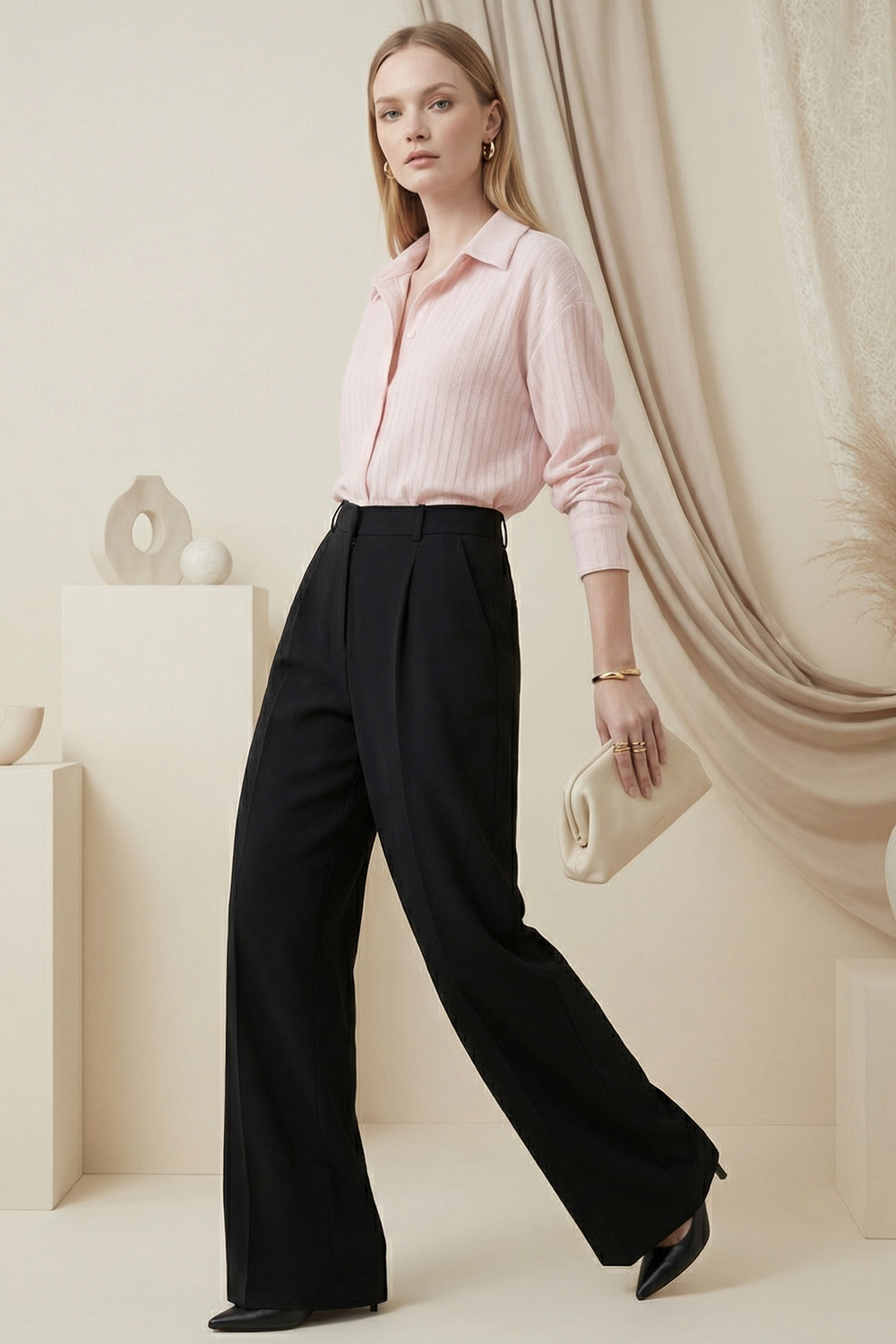 Beyond the Button-Up: Mastering Unconventional Shirt Styling
Discover creative and unconventional ways to wear classic shirts and blouses. Learn how to tie, drape, layer, and style them to transform a basic w...
Beyond the Button-Up: Mastering Unconventional Shirt Styling
Discover creative and unconventional ways to wear classic shirts and blouses. Learn how to tie, drape, layer, and style them to transform a basic w...
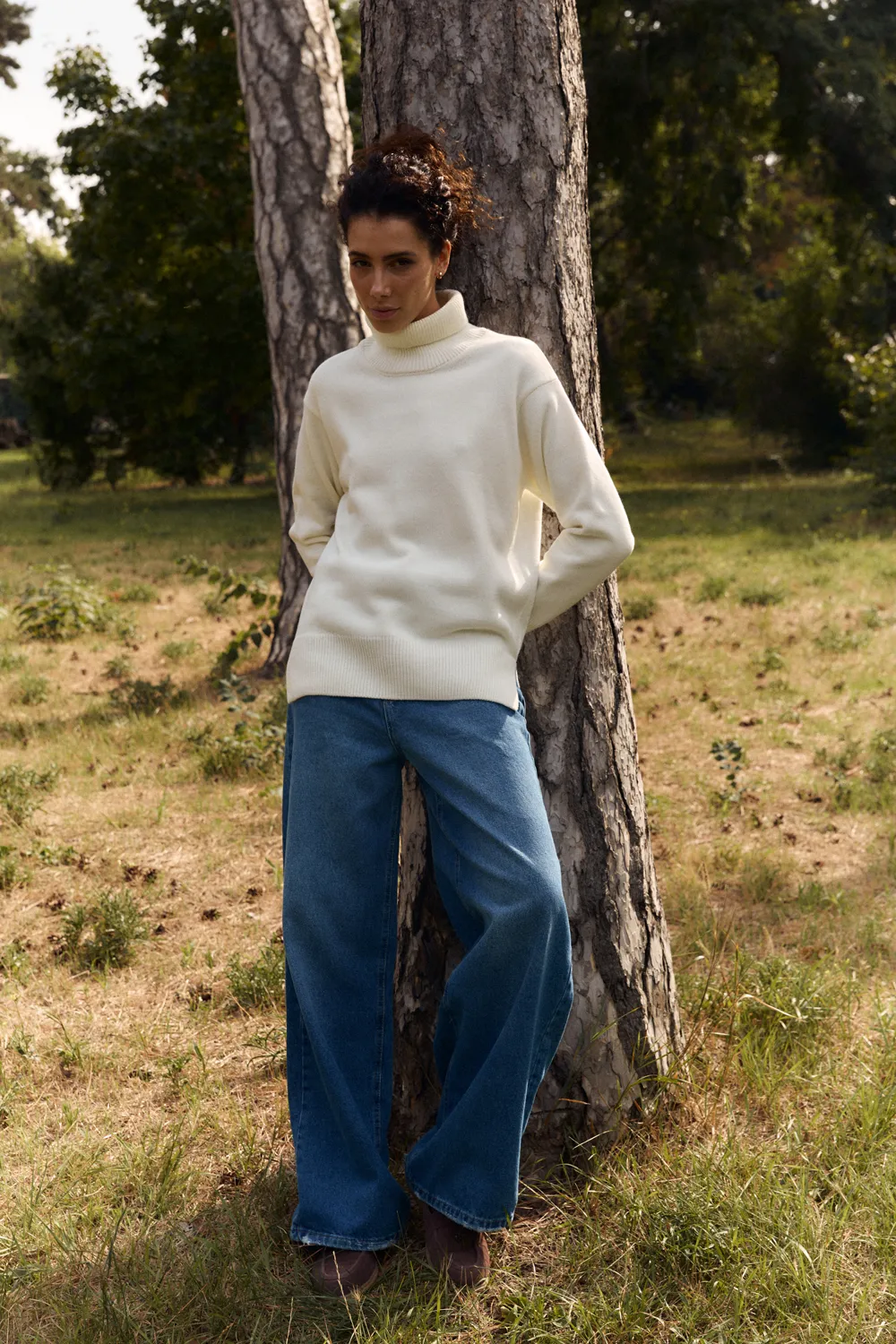 The Knitwear Effect: Sweaters and Cardigans Redefining Classic Style
Discover how to transform an ordinary sweater or cardigan into a key element of an elegant outfit. In this article, we'll reveal knitwear styl...
The Knitwear Effect: Sweaters and Cardigans Redefining Classic Style
Discover how to transform an ordinary sweater or cardigan into a key element of an elegant outfit. In this article, we'll reveal knitwear styl...
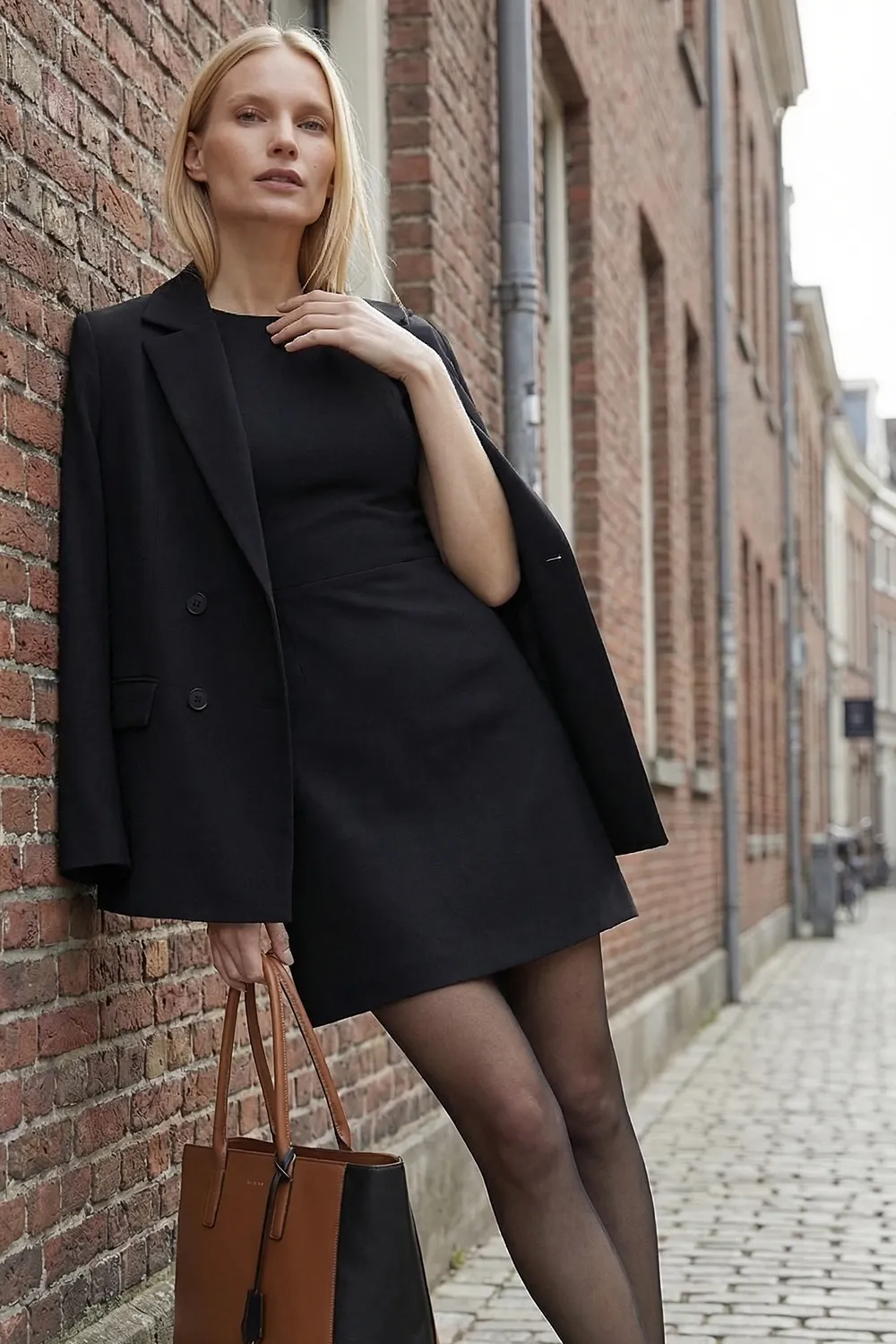 Seamless Style: How to Wear One Dress from Morning to Midnight
Discover how to transform one versatile dress into multiple stylish outfits for various daily scenarios. Practical tips on choosing accessories, sh...
Seamless Style: How to Wear One Dress from Morning to Midnight
Discover how to transform one versatile dress into multiple stylish outfits for various daily scenarios. Practical tips on choosing accessories, sh...