
 Free delivery in Ukraine upon full payment of the order
  Return of goods within 14 days

Slouchy Jeans and Loose Dresses: How to Wear a Relaxed Silhouette and Look Elegant
The trend for relaxed silhouettes, from slouchy jeans to loose dresses, has firmly entered our wardrobes. But how to wear voluminous items and not look baggy? The main secret lies in the art of balance and correct accents. This article is your complete guide to styling loose fits. We will explore...
Slouchy Jeans and Loose Dresses: How to Wear a Relaxed Silhouette and Look Elegant
In the world of fashion, where comfort increasingly becomes synonymous with style, relaxed silhouettes have conquered runways and city streets. From loose trousers to oversized sweaters and, of course, trendy slouchy jeans — clothing that doesn't restrict movement has become an integral part of the modern wardrobe. However, along with the popularity of loose fits, the main fear of many women also grows: how to wear such items without looking baggy or shapeless? It seems there's a very fine line between stylish nonchalance and sloppiness.In Ukrainian
This fear is absolutely understandable. For decades, we lived in a paradigm where clothing was supposed to emphasize the figure, and any additional volume could visually add extra pounds. Historically, fashion often demanded sacrifices: from tight corsets to narrow jeans that one literally had to squeeze into. But global changes, especially those accelerated in recent years, have shifted the focus. We have re-evaluated our priorities, placing personal comfort, freedom, and self-acceptance at the forefront. A relaxed silhouette is not about hiding in fabric, but about creating new, interesting proportions and lines. It is the art of balance, where volume in one area is compensated by conciseness in another. In this article, we will dispel myths about "bagginess" and show, with specific examples, how to master the loose-fit trend, be it trendy women's jeans or a flowing dress, and feel confident and elegant while doing so.
What is a "Relaxed Silhouette" and Why is it So Popular?
A relaxed silhouette is, in essence, a philosophy of comfort embodied in clothing. It is characterized by a loose fit, soft lines, and the absence of a rigid fit to the figure. This is clothing that exists in harmony with the body, rather than dictating its rules to it. Key representatives of this trend include slouchy jeans (slouchy), boyfriends, palazzo trousers and culottes, oversized blazers, voluminous shirts, sweatshirts with dropped shoulders, and, of course, straight, A-line, or "cocoon" cut dresses. These items provide freedom of movement and allow the body to "breath," which is especially valuable in the dynamic rhythm of modern life.
The popularity of this trend is not accidental, but the result of a deep cultural shift. Firstly, it is a response to the demand for authenticity and self-expression. We no longer want to sacrifice comfort for fashion. Instead, we seek clothing that reflects our lifestyle and inner state. Secondly, designers who elevated comfort to the rank of high art played a huge role. Let's recall 90s minimalism, Phoebe Philo's intellectual fashion for Céline, or the deconstructivism of Japanese designers like Yohji Yamamoto and Rei Kawakubo, who always explored the idea of space between the body and fabric. They showed that elegance can be not form-fitting, but sculptural and free. A relaxed fit allows for the creation of layered, textured, and individual looks that appear thoughtful yet very natural. These are not just trendy denim pants; they are a statement of one's right to comfort without compromising on style.
The Main Secret: Playing on Contrasts and Balance of Proportions
The main rule that will help you befriend loose fits is creating balance through contrasts. If you choose a voluminous bottom, the top should be more restrained, and vice versa. This simple principle works flawlessly and helps avoid the "clothes from someone else's shoulders" effect. But contrast can be not only in volume, but also in texture or even style.
Contrast of Volumes
This is the simplest and most effective technique. Imagine you're wearing slouchy jeans. They have a loose fit in the hips and a slightly tapered leg. To prevent the silhouette from "floating," balance them with a form-fitting top, a bodysuit, a thin turtleneck, or a T-shirt tucked into the jeans. This way, you'll emphasize the waist and the upper part of the figure, while maintaining the relaxed mood of the look. The same principle works in reverse: with a voluminous sweater, an oversized shirt, or a jacket "from a man's shoulder," narrow jeans, leggings, a straight pencil skirt, or cycling shorts will look best. And what to do if you want to create a "total oversize" look? This is also possible, but requires more skill. In such a case, a monochrome color scheme, which visually elongates the silhouette, or an accent on the waist with a belt, saves the look.Sportswear
Contrast of Textures
This is a more subtle, yet incredibly effective technique. Combining materials with different textures makes the look deeper, more interesting, and more expensive. Smooth and rough, soft and rigid, matte and shiny — such pairings always look winning. For example:
- Silk and Denim:Wear loose jeans with a delicate silk blouse or a lingerie-style top. The contrast between rough denim and delicate silk creates a powerful stylistic effect.
- Cashmere and Leather:A voluminous cashmere sweater paired with leather trousers or a skirt is a classic of the autumn wardrobe that looks both cozy and daring.
- Knit and satin:Flowing satin midi skirt and a cozy oversized chunky knit sweater. This look has become practically a modern classic, perfectly balancing femininity and comfort.
Contrast of styles
Mixing elements from different stylistic operas is another key to creating a modern look. A relaxed silhouette is often associated with casual or sporty style, but it can easily be 'befriended' with classic or romantic elements. Wear a voluminous hoodie under a strict oversized blazer. Combine a flowing romantic dress with chunky military boots. Wear wide sports trousers with elegant high-heeled pumps. It is at the intersection of these contradictions that the most current fashion is born.
Creating structure: the magic of a belt and the right accessories
Accessories are your best friends when working with loose silhouettes. They add structure to the look, place accents, and prevent it from becoming shapeless. They are those very 'control points' that you place in the outfit.
The most obvious and effective tool is a belt or a strap. It instantly creates a focus on the waist, forming a feminine 'hourglass' silhouette even in the most voluminous dress or over an oversized blazer. The choice of belt depends on the task: a thin strap will delicately define the waist on a light dress, a wide corset belt will create a dramatic accent, and a classic leather belt will add strictness to a loose shirt. For example, such a basicmodel from the selectioncan serve as an excellent basis for experiments. Wear it loosely with sneakers for a relaxed city walk. And for a meeting in a cafe or even for an office with a relaxed dress code, just add a leather belt — and the look will instantly transform, becoming more strict and elegant. This is a great example of how one detail changes the whole mood.
{{azuri_product_block:product_id=1002}}Besides the belt, other details also play an important role. A structured bag with clear geometric lines (tote, satchel, box bag) will be an excellent contrast to a soft, flowing dress or a voluminous sweater. It 'grounds' the look, adding composure to it. Large earrings, an accent necklace, or several layers of chains will draw attention to the face and neck, distracting from the overall volume of the outfit. Don't be afraid to add 'points of interest' — they make the look complete and well-thought-out.Short
Footwear that 'pulls together' the look
The choice of footwear is critically important when styling loose clothing. The wrong pair can either 'simplify' the look to a sloppy one, or, conversely, give it the necessary completeness and chic. The principle of contrast and balance also works here.
With wide jeans or palazzo trousers, shoes with a pointed or square toe look great — they visually elongate the leg and add strictness to the look, peeking out from under the wide leg. A heel, even a small kitten heel, always helps to 'pull together' the silhouette, making it more slender and taller. For everyday looks with slouchy jeans, sneakers will also work, but it's better to choose not overly massive, 'dad' models, but more concise and neat ones, so as not to weigh down the lower part and not create a bulky feeling.
As for dresses, the choice here depends on the desired effect. For example, a concisemodel from the selectionloose-fitting will look completely different with different footwear. With white sneakers or flat sandals, you'll get a comfortable and modern urban look. And if you wear it with thin-heeled sandals or elegant mules, you'll get a graceful outfit for dinner or a summer event. I once saw a girl in a cafe wearing a similar dress and chunky boots — it looked incredibly stylish due to the contrast of feminine fabric and brutal footwear. Don't forget about high boots: by wearing them under a loose midi dress, you create a cohesive and very elegant silhouette, ideal for cool weather.
{{azuri_product_block:product_id=1001}}Fabric decides everything: how material affects the silhouette
Not every volume is the same. How an item will fit and drape depends 70% on the material. Properly chosen fabric is the key to success when working with a loose fit.
Structural fabrics.Dense, shape-holding materials, such as quality denim, thick cotton, twill, gabardine, suiting wool, or eco-leather, create a more architectural, sculptural silhouette. They are well-suited for oversized blazers, banana jeans, shirt dresses, or cocoon coats, where a clear, designer-defined shape is important. Such fabric itself creates the silhouette, and it will not look shapeless.English
Flowing fabrics.On the other hand, light and pliable materials — viscose, silk, satin, chiffon, thin knitwear, Tencel — create a soft, flowing silhouette. They do not add unnecessary volume but beautifully envelop the figure, moving with you. This is why dresses made from such fabrics, even when loose, rarely look baggy. They emphasize the body's curves in motion, creating a very delicate and feminine effect. It is important that the fabric is of high quality, otherwise it may look cheap and untidy.
When choosing a loose-fitting item, always pay attention to the fabric: it should either hold its shape well or drape beautifully. Avoid thin, flimsy, and wrinkling materials that can spoil even the most successful cut.
Brief checklist: how to wear loose-fitting items stylishly
To consolidate the material, let's go through the main points that will help you confidently wear relaxed silhouettes.
- Maintain a balance of volumes:voluminous bottom + fitted top, or vice versa. For "total oversize" looks, use monochrome.
- Accentuate the waist:use belts and sashes, tuck tops and shirts in completely or partially (French tuck).
- Reveal elegant body parts:wrists, ankles, collarbones. Roll up the sleeves of blazers and shirts, choose cropped trouser models, or roll up jeans. These are the thinnest parts of our body, and their display creates an illusion of overall fragility.
- Play with texture contrast:combine smooth with rough, soft with hard, for example, silk and denim.
- Choose the right footwear:it should either add elegance (heel, pointed toe) or create a stylish contrast (chunky boots, minimalist sneakers).
- Pay attention to the fabric:it should be of high quality and either hold its shape well or drape beautifully.
- Don't be afraid of layering:a vest, jacket, or cardigan over a loose dress can add the necessary structure and vertical lines to the look, which elongate the silhouette.
Ultimately, the trend for relaxed silhouettes is about self-love and comfort. It's an opportunity to look stylish without sacrificing convenience. Experiment, try different combinations, and find those in which you feel your best. After all, the most important component of any look is your confidence.
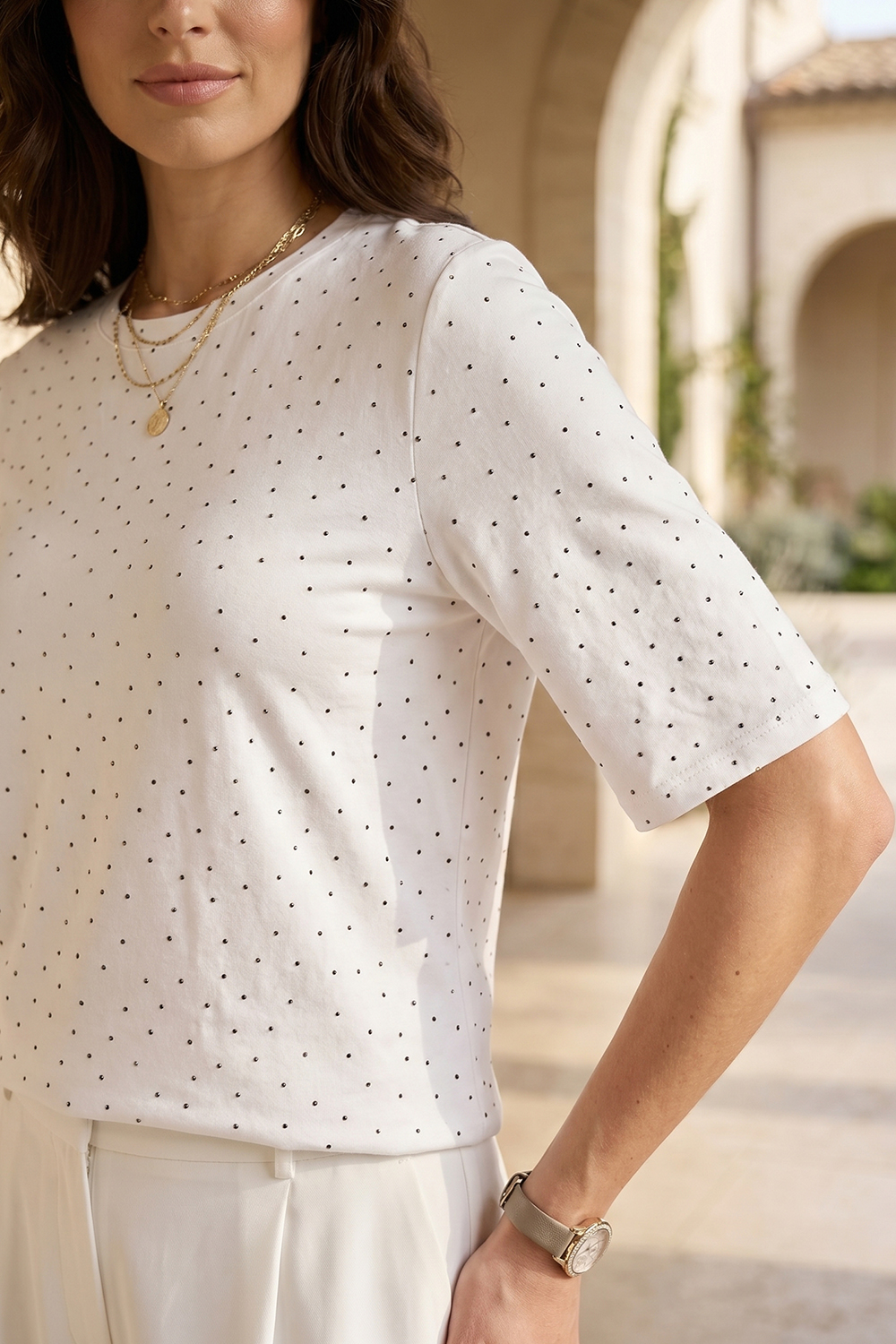 The Statement Top: How Unexpected Details Elevate Your Everyday Style
A practical editorial guide to wearing t-shirts, tops, bodysuit, longsleeves with more balance and repeatability.
The Statement Top: How Unexpected Details Elevate Your Everyday Style
A practical editorial guide to wearing t-shirts, tops, bodysuit, longsleeves with more balance and repeatability.
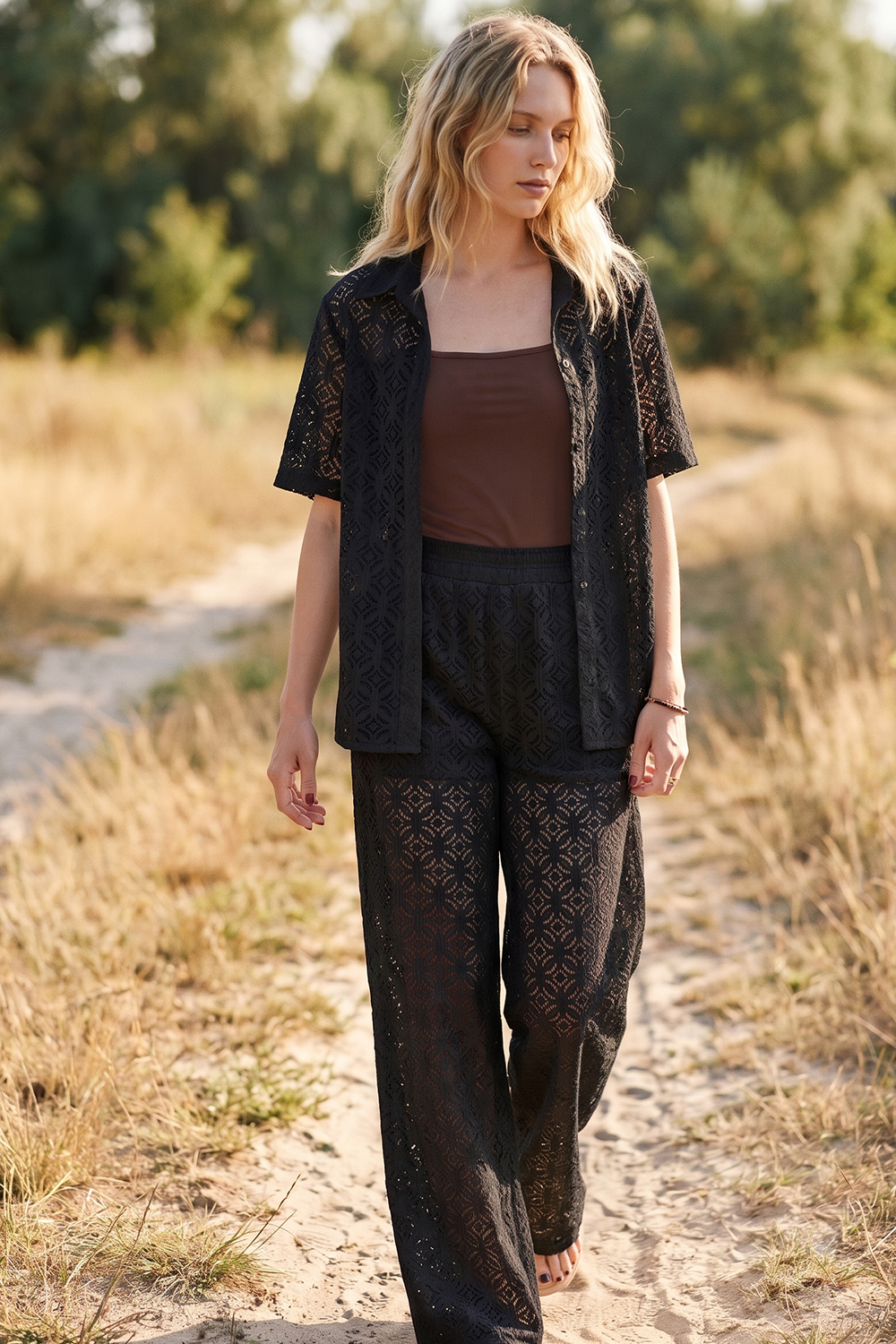 Sportswear's Urban Takeover: Elevating Everyday Style
A practical editorial guide to wearing sportswear with more balance and repeatability.
Sportswear's Urban Takeover: Elevating Everyday Style
A practical editorial guide to wearing sportswear with more balance and repeatability.
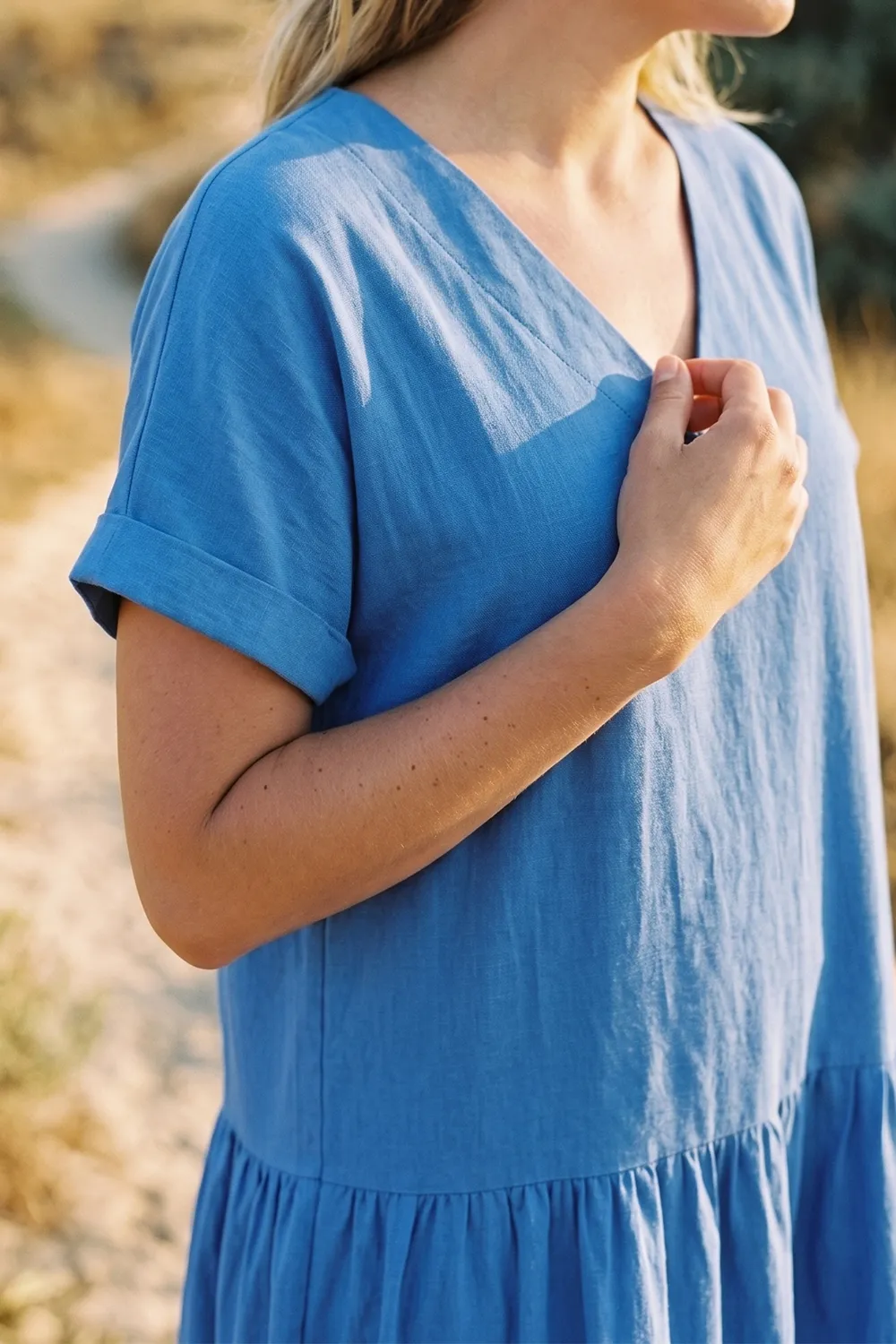 Achieving the Perfect Fit: A Guide to Dress and Jumpsuit Lengths
A practical editorial guide to wearing dresses and jumpsuits with more balance and repeatability.
Achieving the Perfect Fit: A Guide to Dress and Jumpsuit Lengths
A practical editorial guide to wearing dresses and jumpsuits with more balance and repeatability.