
 Free delivery in Ukraine upon full payment of the order
  Return of goods within 14 days

Chic Textures: Blazers and Trousers for Modern Minimalism
Discover how combining different fabrics and textures in blazers and pants can transform your wardrobe. Learn to create deep and interesting minimalist looks, moving beyond simple color matching.
Chic Textures: Blazers and Trousers for Modern Minimalism
Introduction: Why is Texture the Secret Ingredient to Style?
In the world of fashion, where color and cut often take center stage, the true depth of an outfit lies in its details. One such subtle yet powerful detail is texture. It's the tactile and visual quality of fabric that can transform even the simplest monochromatic ensemble into a complex and thoughtful statement. Playing with textures allows you to add volume and interest without resorting to bright colors or intricate prints, which is especially valuable for lovers of minimalism and elegance.
Fundamentals of Combination: Contrast and Harmony
The key to successfully combining textures is a balance between contrast and harmony. The most striking outfits emerge at the intersection of opposites: matte and glossy, smooth and embossed, dense and airy. For example, try pairing smooth tailored trousers with a silk or satin blouse. The sheen of the top will highlight the understated matte finish of the bottom, creating a dynamic and luxurious look.
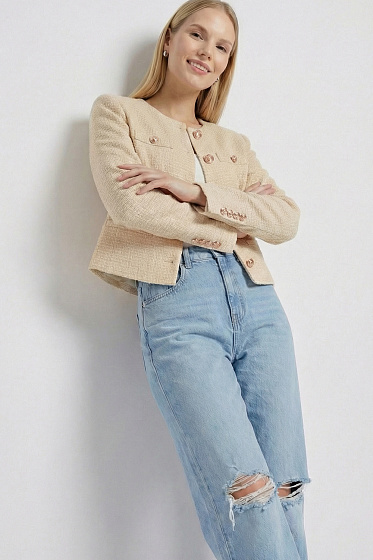
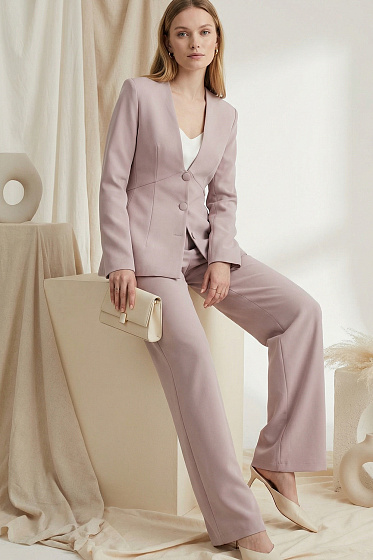
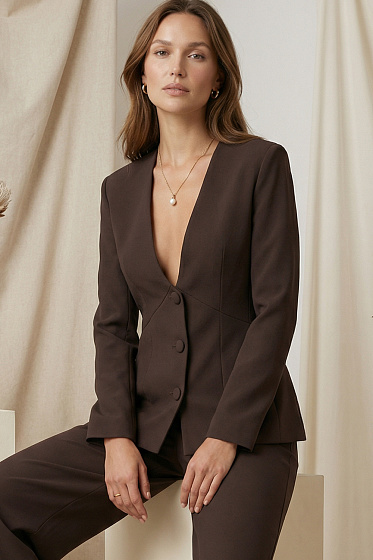
Seasonal Duos: Choosing Fabrics for the Weather
The ability to play with textures also depends on the season. In summer, light, breathable materials come to the forefront. An ideal pairing is a linen blazer with cotton or silk trousers. The slight creasing of linen creates a relaxed mood, while the smoothness of cotton or silk adds a touch of polish. This combination is perfect for elegant looks in warm weather.
As colder weather arrives, we switch to denser and cozier fabrics. A classic winter combination is a wool tweed blazer and corduroy trousers. A cashmere jumper worn under a smooth wool blazer with trousers of the same material also works wonderfully. These layered textured outfits not only keep you warm but also look incredibly stylish.
Silhouette and Drape: The Influence of Fabric Weight
Master Class: Adding Patterns and Prints
Once you've mastered combining solid textures, you can move to the next level: adding patterns. The main rule here is moderation. Let there be one expressive print, while the other elements of the outfit support it through texture. For example, a Prince of Wales check or houndstooth blazer can be complemented with smooth leather trousers or a silk skirt.
To prevent the outfit from looking overloaded, choose prints in a subdued color palette that echoes the other items in the ensemble. The fabric's texture itself (e.g., the nap of wool or the sheen of leather) will act as an additional design element, enriching the look and making it more thoughtful.
FAQ
Is it possible to combine more than two different textures in one outfit?
Yes, it is possible, but it requires a sense of moderation. A foolproof approach is to start with two main textures (e.g., a blazer and trousers), and add a third as an accent through accessories: a smooth leather belt, a suede bag, or a silk scarf. The main thing is to stick to a unified color palette to keep the look harmonious.
How do you care for clothing made from delicate, textured fabrics?
Always follow the care instructions on the label. Materials like silk, cashmere, or fine wool often require hand washing or dry cleaning. Store such items carefully to avoid snags and deformation, especially for knitwear and embossed fabrics.
Does playing with textures only work in monochromatic outfits?
No, this technique is universal and will enrich any outfit. However, it is in monochromatic or neutral-colored ensembles that the effect of combining textures is most pronounced and sophisticated. In such looks, texture takes center stage, preventing the ensemble from becoming dull and flat.
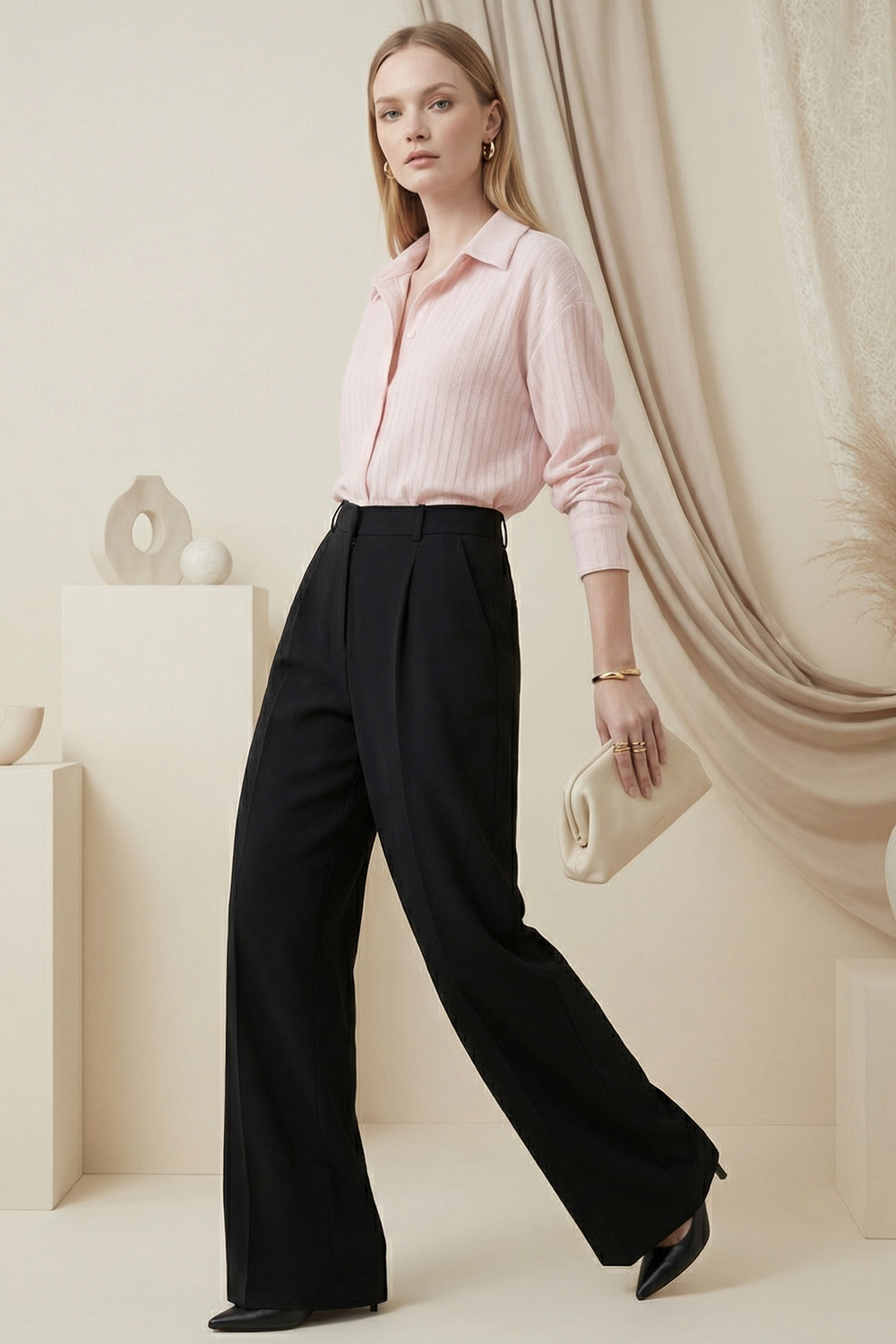 Shirts and Blouses: Mastering Transitional Style
A practical editorial guide to wearing blouses & shirts with more balance and repeatability.
Shirts and Blouses: Mastering Transitional Style
A practical editorial guide to wearing blouses & shirts with more balance and repeatability.
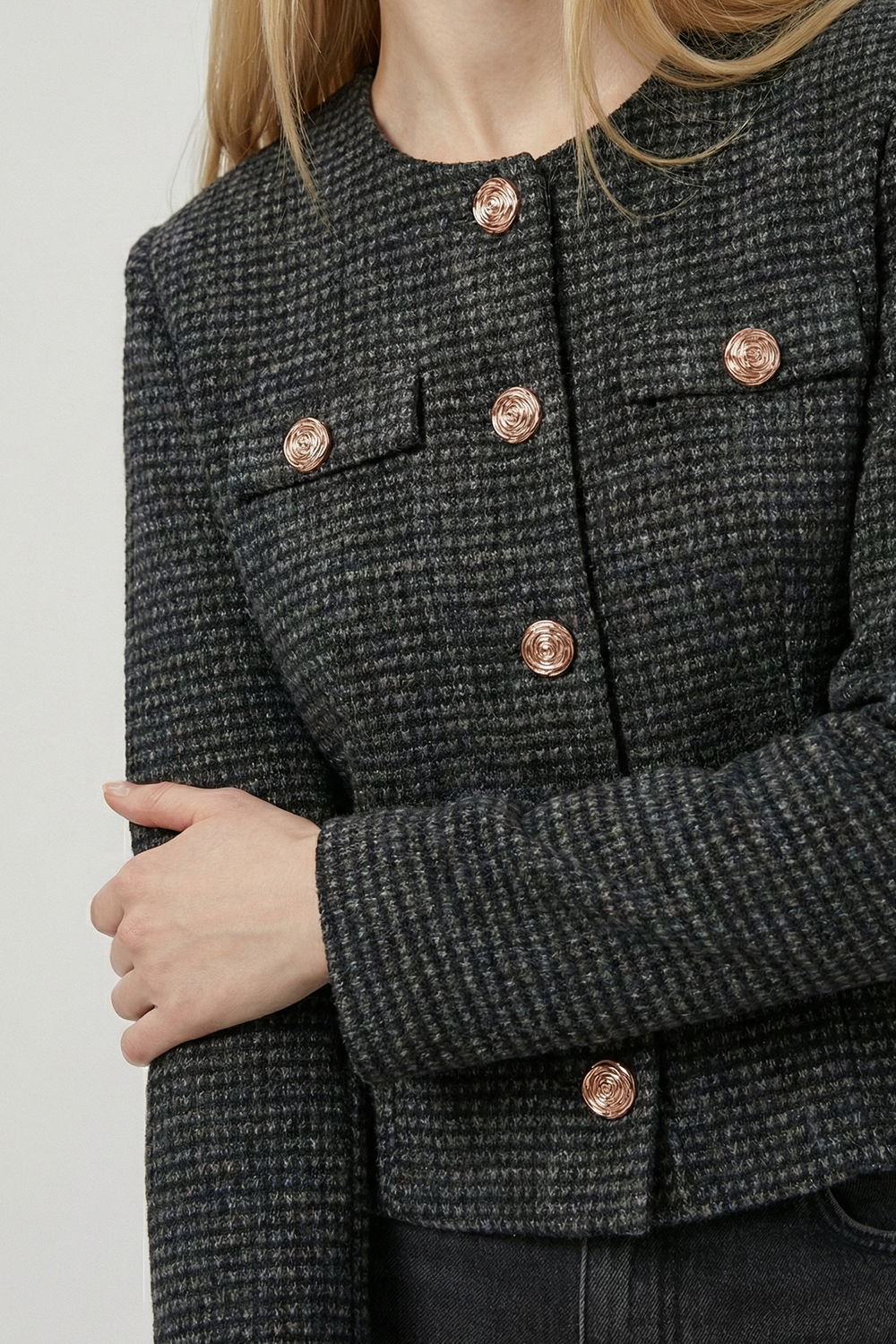 The Evening Blazer: Mastering After-Hours Style
Discover how to transform a blazer from an office staple into the star of your evening wardrobe. Styling tips with dresses, skirts, and trousers to...
The Evening Blazer: Mastering After-Hours Style
Discover how to transform a blazer from an office staple into the star of your evening wardrobe. Styling tips with dresses, skirts, and trousers to...
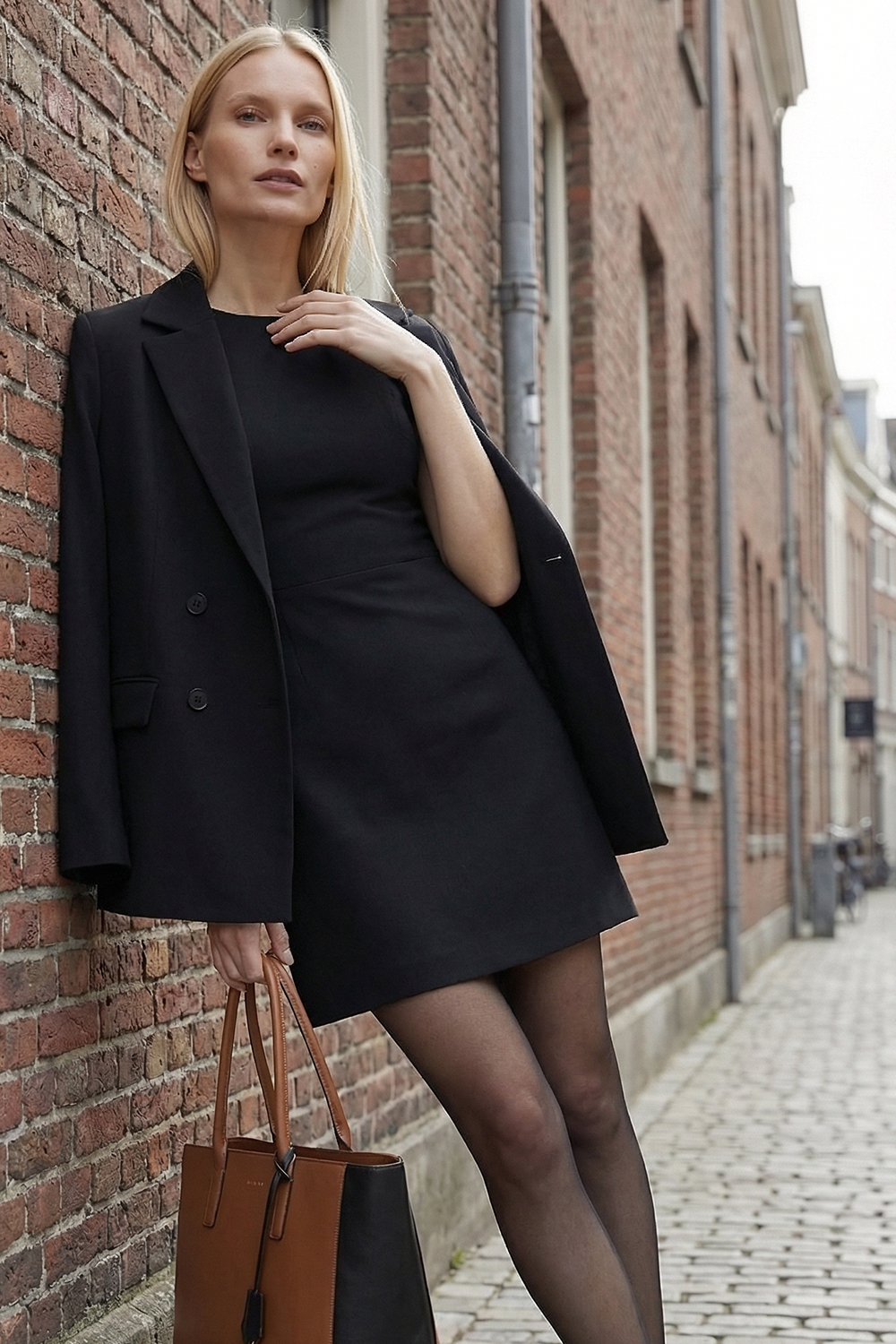 Advanced Textiles: A New Era for Dresses and Jumpsuits
A practical editorial guide to wearing dresses, jumpsuits with more balance and repeatability.
Advanced Textiles: A New Era for Dresses and Jumpsuits
A practical editorial guide to wearing dresses, jumpsuits with more balance and repeatability.