
 Free delivery in Ukraine upon full payment of the order
  Return of goods within 14 days

The Fabric Factor: Mastering Shirt and Blouse Style
Discover how fabric choice—from crisp cotton to flowing silk—defines the style, fit, and purpose of your shirt or blouse. Learn which material is best suited for different seasons and occasions.
The Fabric Factor: Mastering Shirt and Blouse Style
Why Fabric Matters More Than You Think
When choosing a shirt or blouse, we often first pay attention to color and cut. However, the material itself is the soul of the garment. Fabric determines how an item will fit, how it will feel on the skin, how comfortable it will be throughout the day, and for what occasion it is best suited. The same design, made from cotton or silk, creates a completely different impression. In this article, we'll explore how key fabric types influence the character and functionality of this essential wardrobe item. Understanding material properties will help you make more informed choices and find the perfect {{anchor}} for any look.
Cotton: Versatility and Comfort
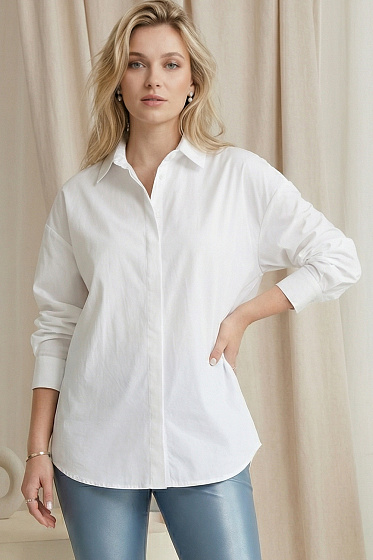
Cotton is the most popular and versatile material for shirts, and for good reason. It's hypoallergenic, breathable, and pleasant to the touch. But not all cotton is the same. Dense poplin creates crisp, sharp lines, ideal for office dress codes. A classic white poplin shirt is the foundation of a business wardrobe. At the same time, softer cotton is excellent for relaxed everyday looks. For instance, an oversized {{anchor}} made from cotton with added spandex provides freedom of movement and creates a stylish, casual silhouette.
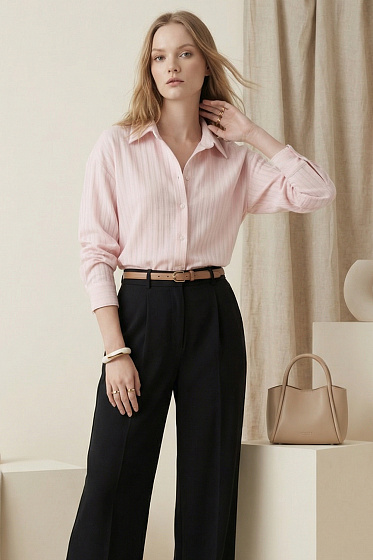
Cotton shirts easily fit into both formal and casual ensembles. They pair wonderfully with jeans, trousers, and skirts. A vibrant color can make a cotton shirt the central element of an outfit. For example, {{anchor}} in a rich pink hue will add freshness and become an expressive accent in your wardrobe, without sacrificing comfort.
Linen: Effortless Elegance for Warm Weather
When temperatures rise, linen becomes the best choice. This natural material has a unique ability to allow air circulation and wick away moisture, creating a cool sensation even on the hottest day. Linen shirts have a distinctive, slightly wrinkled texture that adds a touch of relaxed bohemian elegance to any look. They don't need to be perfectly ironed—a slight crumple is part of their charm. Linen doesn't cling to the figure but creates a loose, flowing silhouette, making it ideal for summer strolls, vacations, and informal gatherings.
Silk and Satin: Luxury and Fluid Lines
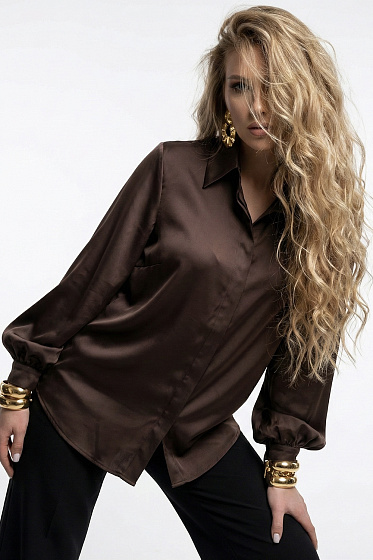
For special occasions and creating sophisticated, feminine looks, there's nothing better than silk and satin. These materials are distinguished by their smooth surface, noble sheen, and incredible fluidity. A blouse made from such fabric softly drapes the figure, accentuating its curves without clinging. Smooth lines and beautiful draping make the look luxurious and elegant. Modern alternatives, such as 'double Armani' fabric, combine the aesthetics of silk with practicality. For example, {{anchor}} in a chocolate hue with voluminous sleeves demonstrates how the material creates a refined yet comfortable silhouette, suitable for both the office and an evening out.
Denim and Dense Fabrics: Character and Structure
Shirts made from denim or other dense fabrics, such as twill or corduroy, play a completely different role in a wardrobe. They don't drape but hold their shape, creating a more defined and structured silhouette. A denim shirt is a classic casual style piece that can be worn as a standalone top or as a second layer over a T-shirt or tank top. Such materials are durable, long-lasting, and acquire individual character over time. They add a touch of confidence and practicality to an outfit, ideal for the dynamic pace of city life.
Simple Care Rules for Your Favorite Items
To ensure your shirts and blouses last long and retain their original appearance, proper care is essential. Always check the manufacturer's care label. Cotton is generally low-maintenance, but colored items are best washed at a low temperature. Wash linen on a delicate cycle and iron it while slightly damp. Silk, satin, and other delicate fabrics require hand washing or the gentlest machine wash in cool water. Denim is best washed inside out to preserve its color. Proper care ensures your favorite pieces will delight you for many seasons.
FAQ
Which fabric for a shirt wrinkles the least?
Fabrics with added synthetic fibers, such as polyester, wrinkle the least. Modern blended materials and high-quality, tightly woven cotton (e.g., non-iron) also hold their shape well and require minimal ironing.
Can a linen shirt be worn to the office?
Yes, if your office dress code is not strict. Choose a linen shirt with a concise cut and a neutral color (white, beige, light blue) and pair it with classic trousers or a pencil skirt. To make the look more polished, you can add a blazer.
What is the difference between silk and satin?
Silk is a natural fiber obtained from silkworm cocoons. Satin is not a type of fiber, but a weaving technique that creates a smooth and lustrous surface. Satin can be made from silk, cotton, polyester, or other fibers.
 The Statement Top: How Unexpected Details Elevate Your Everyday Style
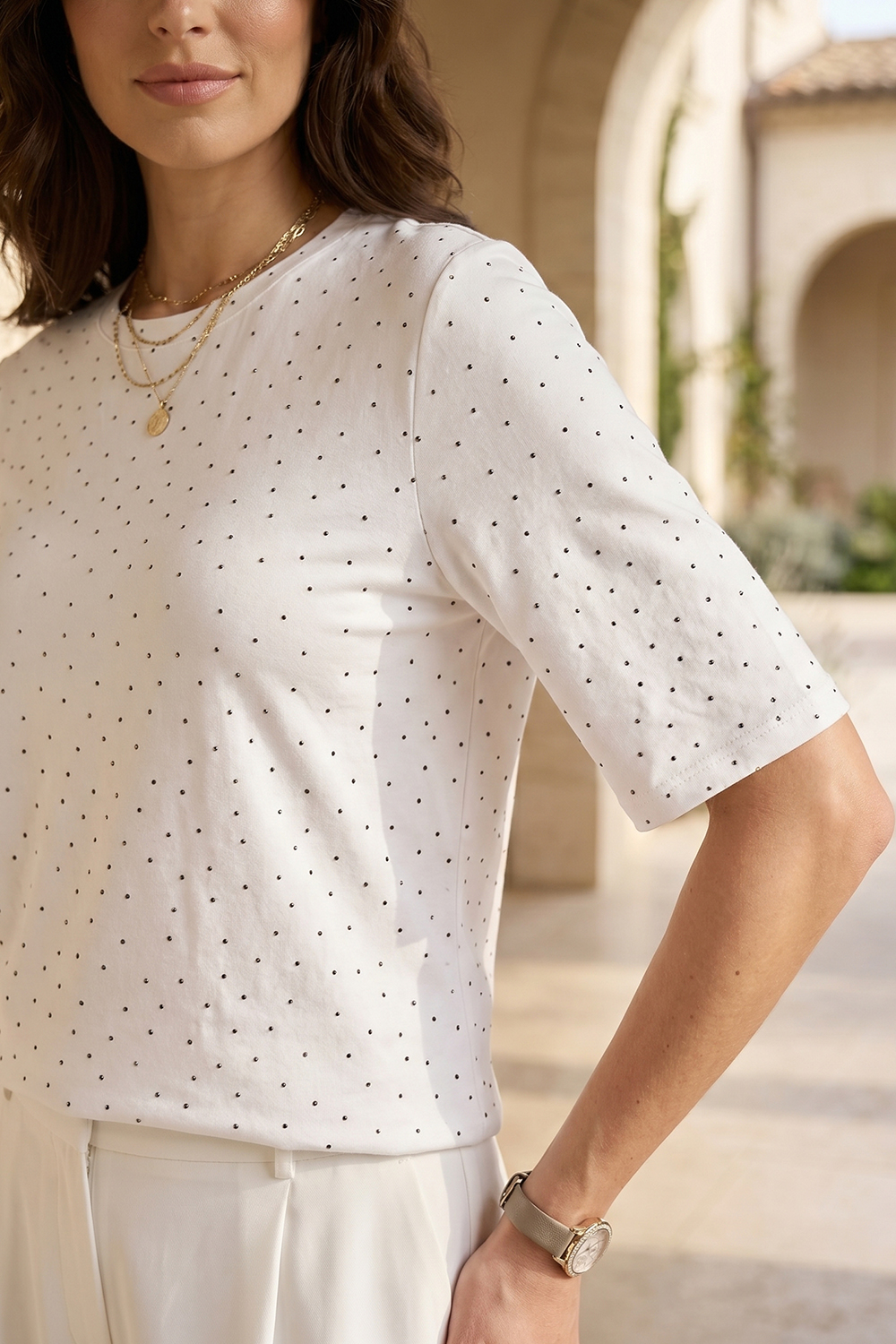
A practical editorial guide to wearing t-shirts, tops, bodysuit, longsleeves with more balance and repeatability.
The Statement Top: How Unexpected Details Elevate Your Everyday Style
A practical editorial guide to wearing t-shirts, tops, bodysuit, longsleeves with more balance and repeatability.
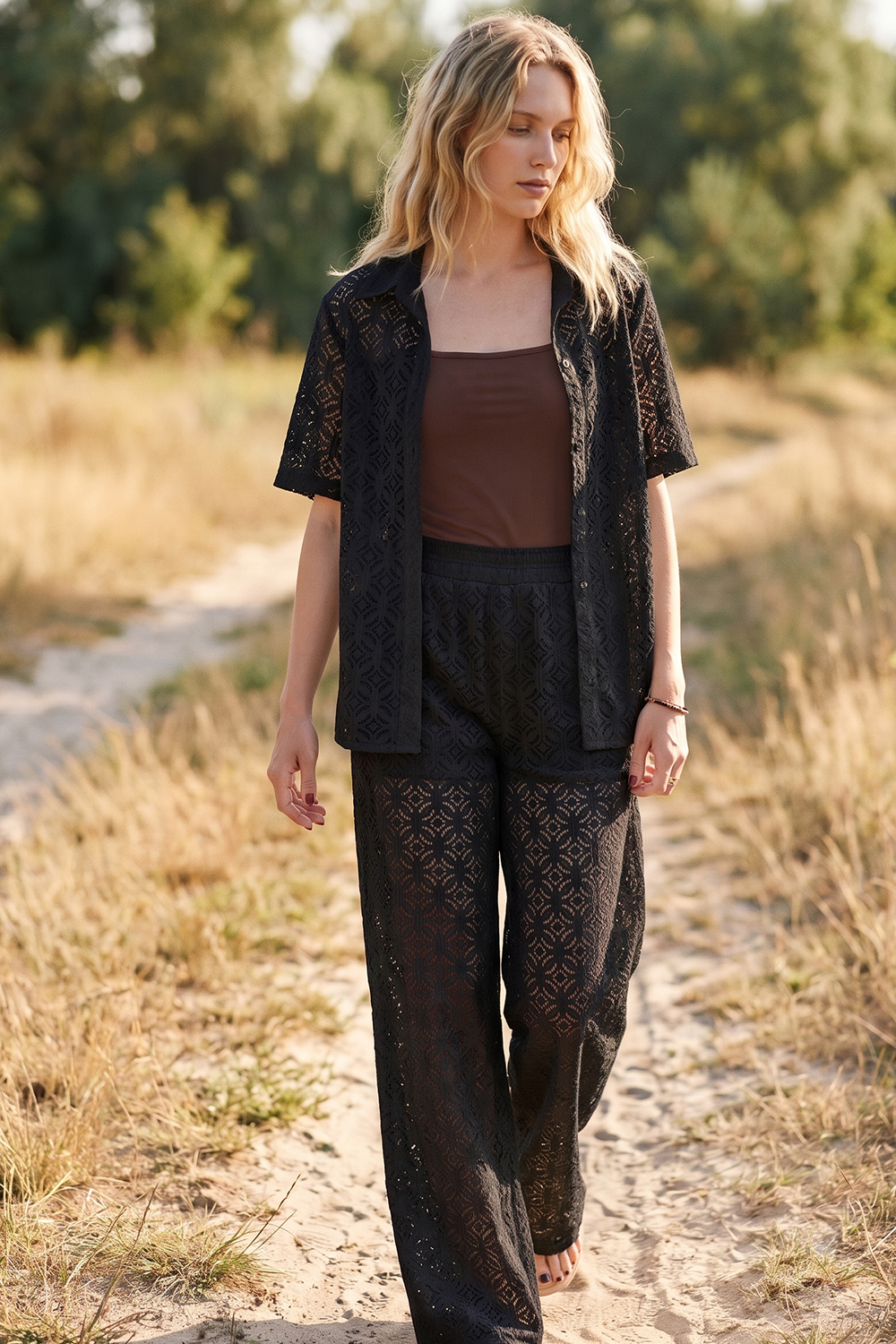 Sportswear's Urban Takeover: Elevating Everyday Style
A practical editorial guide to wearing sportswear with more balance and repeatability.
Sportswear's Urban Takeover: Elevating Everyday Style
A practical editorial guide to wearing sportswear with more balance and repeatability.
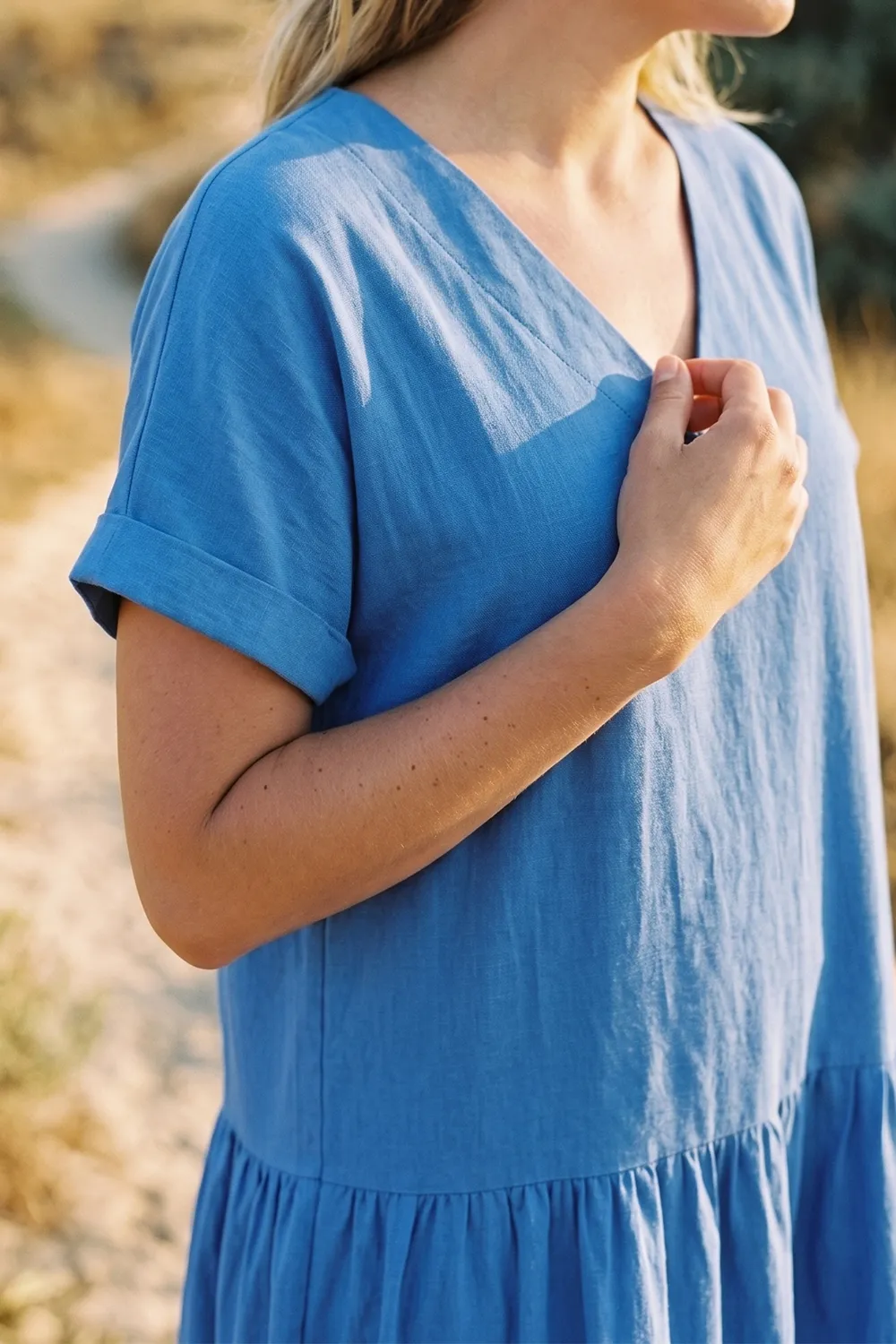 Achieving the Perfect Fit: A Guide to Dress and Jumpsuit Lengths
A practical editorial guide to wearing dresses and jumpsuits with more balance and repeatability.
Achieving the Perfect Fit: A Guide to Dress and Jumpsuit Lengths
A practical editorial guide to wearing dresses and jumpsuits with more balance and repeatability.