
 Free delivery in Ukraine upon full payment of the order
  Return of goods within 14 days

Color & Print: How Dresses and Jumpsuits Define Your Signature Style
Discover how to correctly choose colors and prints for dresses and jumpsuits to highlight your style, create the desired visual effect, and look appropriate in any situation. Practical tips for working with palettes and patterns for your wardrobe.
Color & Print: How Dresses and Jumpsuits Define Your Signature Style
The Power of Color: How Solid-Colored Outfits Influence Silhouette Perception
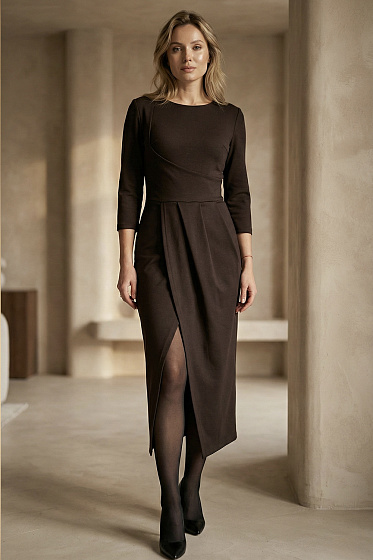
this elegant black midi dress this piece
this form-fitting dress this piece
The Magic of Print: Visual Effects and Creating Accents
Prints add dynamism, character, and complexity to an outfit. They can radically change the perception of figure and style. A small, delicate pattern (for example, tiny polka dots or 'millefleur') creates a ripple effect that can conceal minor figure nuances and make the look softer and more romantic. Large and contrasting prints, on the other hand, draw the eye and become the main accent. It's important that the scale of the print is proportionate to your height and build, so you don't 'get lost' in the pattern.
Geometric prints, such as stripes or checks, can create interesting optical illusions. Vertical lines elongate, while horizontal ones can widen. Diagonal lines, as in asymmetrical patterns, add dynamism and help adjust proportions. Abstract and watercolor prints offer a field for creativity, allowing you to create a unique and artistic look.
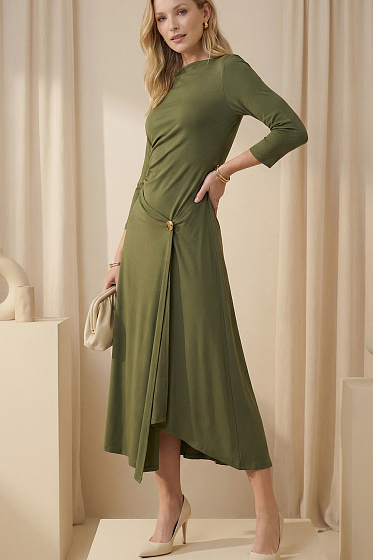
Color Code for Every Occasion: From Office to Party
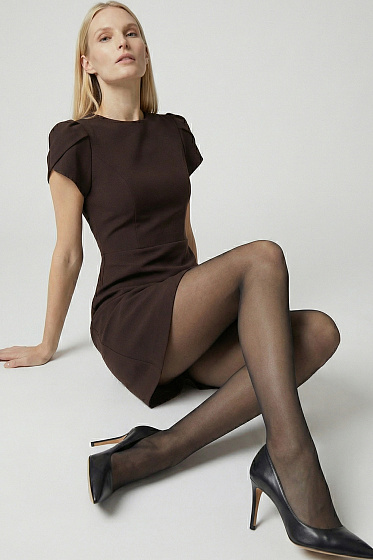
The choice of color and print largely depends on the dress code and the event's atmosphere. For a business environment, restrained, neutral, and deep tones are ideal: beige, gray, burgundy, navy blue. They convey professionalism and composure. Non-contrasting, small prints are also acceptable, such as fine stripes or subtle checks.
this short black dress this piece
Seasonal Palette and the Art of Combinations
While strict rules no longer exist, seasonality still influences palette choices. In spring and summer, we intuitively gravitate towards light, fresh, and vibrant shades: mint, lavender, coral, as well as floral and tropical prints. In autumn and winter, wardrobes fill with warm, earthy, and deep tones: ochre, terracotta, khaki, wine. This doesn't mean you need to completely change your palette, but adapting to the natural colors of the season always looks harmonious.
Combining prints is a skill for advanced fashionistas, but it's not that difficult to master. The main rule is to find something in common: this could be one of the colors present in both patterns, or a shared stylistic theme (for example, two geometric prints of different scales). If you're just starting, try combining an active print with something more neutral, such as a brightly floral dress with a solid-colored jacket.
Your Personal Canvas: Expressing Individuality Through Color and Pattern
Ultimately, color and print are tools for self-expression. Don't be afraid to deviate from trends and choose what resonates with you. Your favorite color can say more about your character than any fashion trend. Who are you today: romantic and gentle in a pastel pink dress, or bold and energetic in a leopard print jumpsuit? The choice is yours.
FAQ
How to choose a print so it doesn't overwhelm the look?
Start with medium or small-sized prints with a low-contrast color scheme. Ensure the scale of the pattern harmonizes with your height. You can also choose an outfit where the print is used as an accent, for example, only on the skirt or bodice.
Can bright colors be worn to the office?
Yes, if done in moderation. A dress in a rich but noble shade, such as emerald or cobalt, with a strict cut will look appropriate. Avoid neon and overly flashy colors. You can also use bright colors in accessories.
What dress color is considered universal, besides black?
Navy blue is an excellent alternative to black; it suits almost everyone and is appropriate in any situation. Beige, gray, burgundy, and deep green are also considered universal. These colors are easy to combine with other shades.
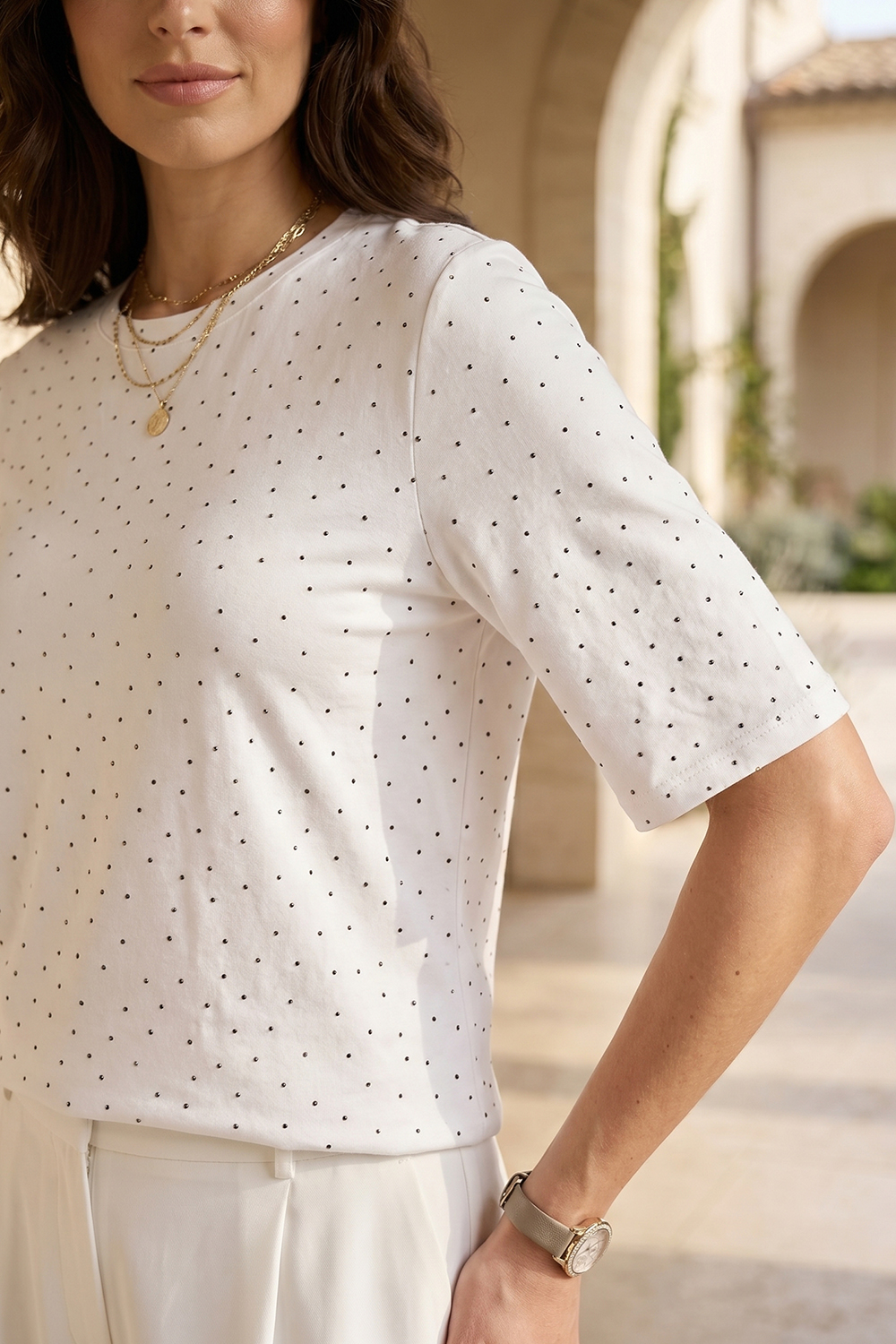 The Statement Top: How Unexpected Details Elevate Your Everyday Style
A practical editorial guide to wearing t-shirts, tops, bodysuit, longsleeves with more balance and repeatability.
The Statement Top: How Unexpected Details Elevate Your Everyday Style
A practical editorial guide to wearing t-shirts, tops, bodysuit, longsleeves with more balance and repeatability.
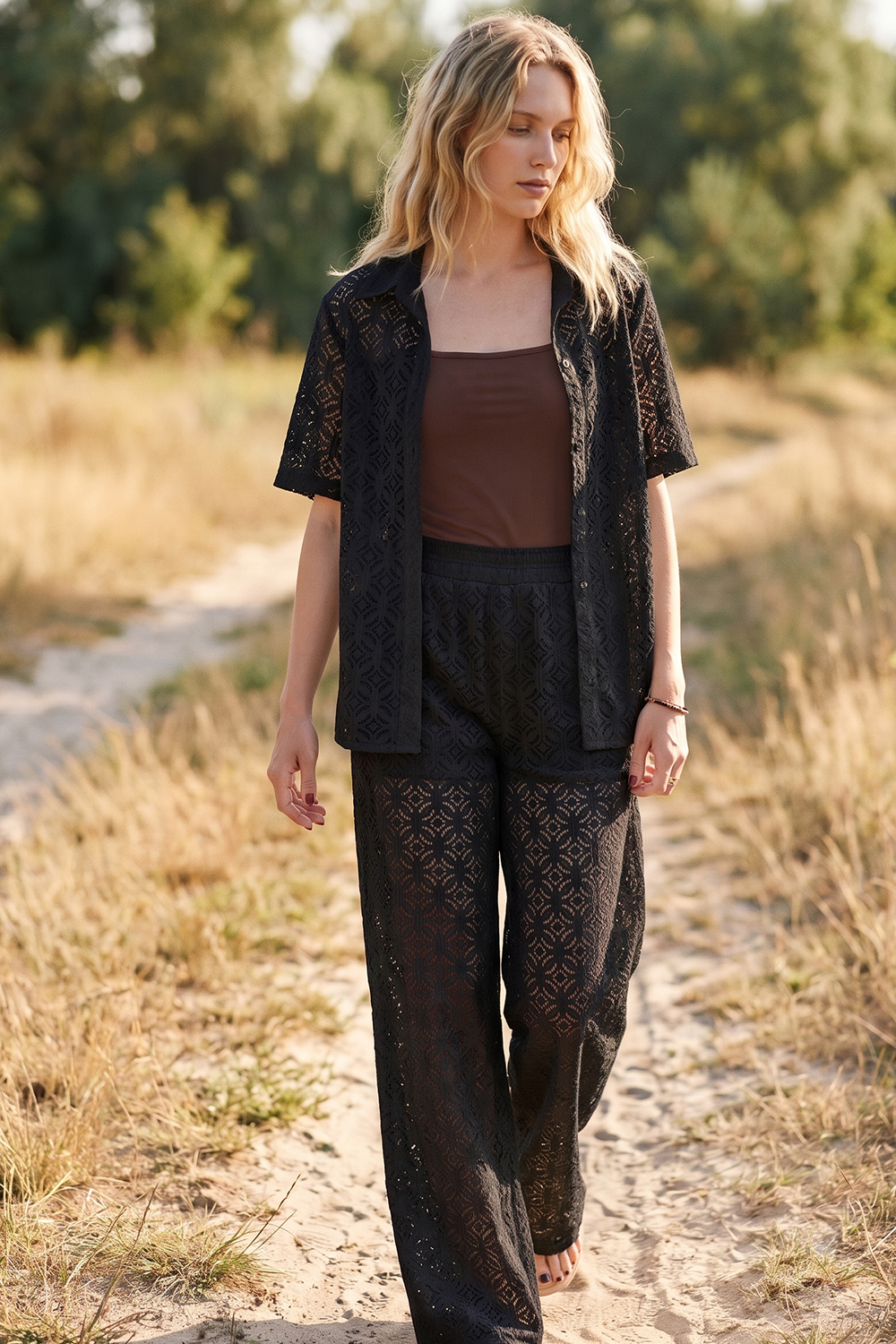 Sportswear's Urban Takeover: Elevating Everyday Style
A practical editorial guide to wearing sportswear with more balance and repeatability.
Sportswear's Urban Takeover: Elevating Everyday Style
A practical editorial guide to wearing sportswear with more balance and repeatability.
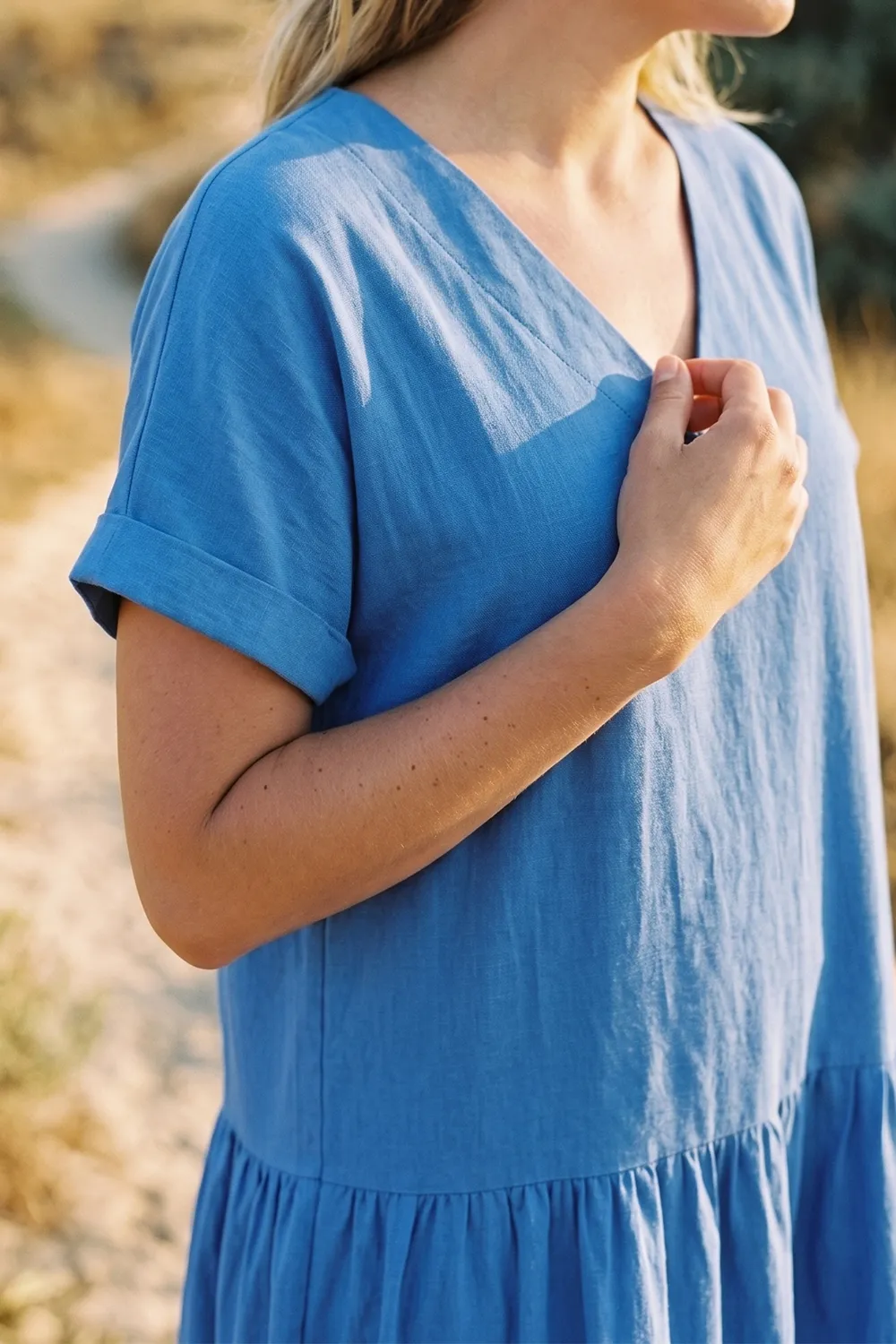 Achieving the Perfect Fit: A Guide to Dress and Jumpsuit Lengths
A practical editorial guide to wearing dresses and jumpsuits with more balance and repeatability.
Achieving the Perfect Fit: A Guide to Dress and Jumpsuit Lengths
A practical editorial guide to wearing dresses and jumpsuits with more balance and repeatability.