
 Free delivery in Ukraine upon full payment of the order
 Return of goods within 14 days


Effortless Elegance: Dresses and Jumpsuits for the Modern Pace
A practical editorial guide to wearing dresses, jumpsuits with more balance and repeatability.
Effortless Elegance: Dresses and Jumpsuits for the Modern Pace
Where silhouette decisions should start
The appeal of dresses and jumpsuits lies in their ability to maintain composure throughout a busy day, from commuting to evening events. This is why focusing on elements like proportion, length, and shoulder line is crucial. When the silhouette is clear and well-defined, the garment effortlessly pairs with various shoes, outerwear, and bags, eliminating the need for complex styling. Ideally, these pieces should integrate seamlessly into your existing wardrobe, rather than requiring a complete overhaul for each wear. This approach ensures a deliberate, calm, and repeatable style.
A useful check starts when you review Dresses and Jumpsuits and compare how proportion, length, and shoulder line are handled there, instead of reacting only to color or to the mood of the image. From that point, it becomes easier to ask whether the piece can support the dresses and jumpsuits already living in your wardrobe, or whether it needs overly precise accessories to make sense. Concrete examples, such as a specific dress or jumpsuit style, help most when they are used for fit logic, length balance, and emphasis level rather than as a literal outfit to copy. Once that logic is clear, the look becomes easier to repeat without fatigue and without rebuilding the whole styling formula every time. That is the shift that turns the category from a one-time attraction into a reliable wardrobe tool.
How fabric and texture change the outcome
The appeal of dresses and jumpsuits lies in their ability to maintain composure throughout a busy day, from commuting to evening events. This is why focusing on elements like fabric movement and perceived density is crucial. When the silhouette is clear and well-defined, the garment effortlessly pairs with various shoes, outerwear, and bags, eliminating the need for complex styling. Ideally, these pieces should integrate seamlessly into your existing wardrobe, rather than requiring a complete overhaul for each wear. This approach ensures a deliberate, calm, and repeatable style.
A useful check starts when you review this piece and compare how fabric movement and perceived density are handled there, instead of reacting only to color or to the mood of the image. From that point, it becomes easier to ask whether the piece can support the dresses and jumpsuits already living in your wardrobe, or whether it needs overly precise accessories to make sense. Concrete examples, such as a specific dress or jumpsuit style, help most when they are used for fit logic, length balance, and emphasis level rather than as a literal outfit to copy. Once that logic is clear, the look becomes easier to repeat without fatigue and without rebuilding the whole styling formula every time. That is the shift that turns the category from a one-time attraction into a reliable wardrobe tool.

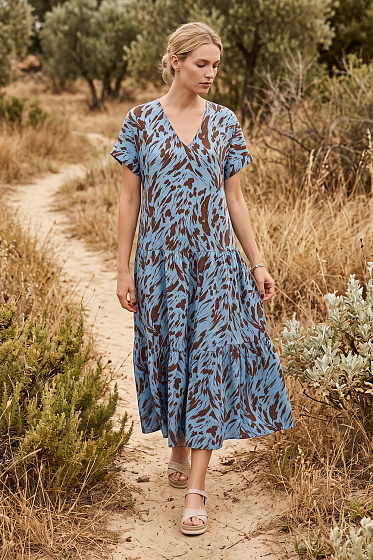

What makes the outfit feel composed
The appeal of dresses and jumpsuits lies in their ability to maintain composure throughout a busy day, from commuting to evening events. This is why focusing on the role of shoes, bag, and outer layer is crucial. When the silhouette is clear and well-defined, the garment effortlessly pairs with various shoes, outerwear, and bags, eliminating the need for complex styling. Ideally, these pieces should integrate seamlessly into your existing wardrobe, rather than requiring a complete overhaul for each wear. This approach ensures a deliberate, calm, and repeatable style.
A useful check starts when you review Dresses and Jumpsuits and compare how the role of shoes, bag, and outer layer are handled there, instead of reacting only to color or to the mood of the image. From that point, it becomes easier to ask whether the piece can support the dresses and jumpsuits already living in your wardrobe, or whether it needs overly precise accessories to make sense. Concrete examples, such as a specific dress or jumpsuit style, help most when they are used for fit logic, length balance, and emphasis level rather than as a literal outfit to copy. Once that logic is clear, the look becomes easier to repeat without fatigue and without rebuilding the whole styling formula every time. That is the shift that turns the category from a one-time attraction into a reliable wardrobe tool.
How the piece works across real scenarios
The appeal of dresses and jumpsuits lies in their ability to maintain composure throughout a busy day, from commuting to evening events. This is why considering the transition from a calm day setting to a sharper evening mood is crucial. When the silhouette is clear and well-defined, the garment effortlessly pairs with various shoes, outerwear, and bags, eliminating the need for complex styling. Ideally, these pieces should integrate seamlessly into your existing wardrobe, rather than requiring a complete overhaul for each wear. This approach ensures a deliberate, calm, and repeatable style.
A useful check starts when you review this piece and compare how the transition from a calm day setting into a sharper evening mood is handled there, instead of reacting only to color or to the mood of the image. From that point, it becomes easier to ask whether the piece can support the dresses and jumpsuits already living in your wardrobe, or whether it needs overly precise accessories to make sense. Concrete examples, such as a specific dress or jumpsuit style, help most when they are used for fit logic, length balance, and emphasis level rather than as a literal outfit to copy. Once that logic is clear, the look becomes easier to repeat without fatigue and without rebuilding the whole styling formula every time. That is the shift that turns the category from a one-time attraction into a reliable wardrobe tool.
Mistakes that flatten the whole impression
The appeal of dresses and jumpsuits lies in their ability to maintain composure throughout a busy day, from commuting to evening events. This is why avoiding excess detail, awkward length, and random combinations is crucial. When the silhouette is clear and well-defined, the garment effortlessly pairs with various shoes, outerwear, and bags, eliminating the need for complex styling. Ideally, these pieces should integrate seamlessly into your existing wardrobe, rather than requiring a complete overhaul for each wear. This approach ensures a deliberate, calm, and repeatable style.
A useful check starts when you review this piece and compare how excess detail, awkward length, and random combinations are handled there, instead of reacting only to color or to the mood of the image. From that point, it becomes easier to ask whether the piece can support the dresses and jumpsuits already living in your wardrobe, or whether it needs overly precise accessories to make sense. Concrete examples, such as a specific dress or jumpsuit style, help most when they are used for fit logic, length balance, and emphasis level rather than as a literal outfit to copy. Once that logic is clear, the look becomes easier to repeat without fatigue and without rebuilding the whole styling formula every time. That is the shift that turns the category from a one-time attraction into a reliable wardrobe tool.
FAQ
How to ensure a dress or jumpsuit doesn't feel overloaded?
Check proportion, length, and layering first: if the piece works with simple shoes and doesn't need constant accessory rescue, the balance is already in a healthy place.
Can dresses and jumpsuits be styled effectively together?
Yes, as long as the roles stay distinct. One category should define the line, while the other supports it with structure or calm layering rather than competing for total focus.
Why review specific examples?
Not to copy a ready-made look, but to judge fit, length, detail scale, and whether the piece can function inside your real wardrobe rhythm.
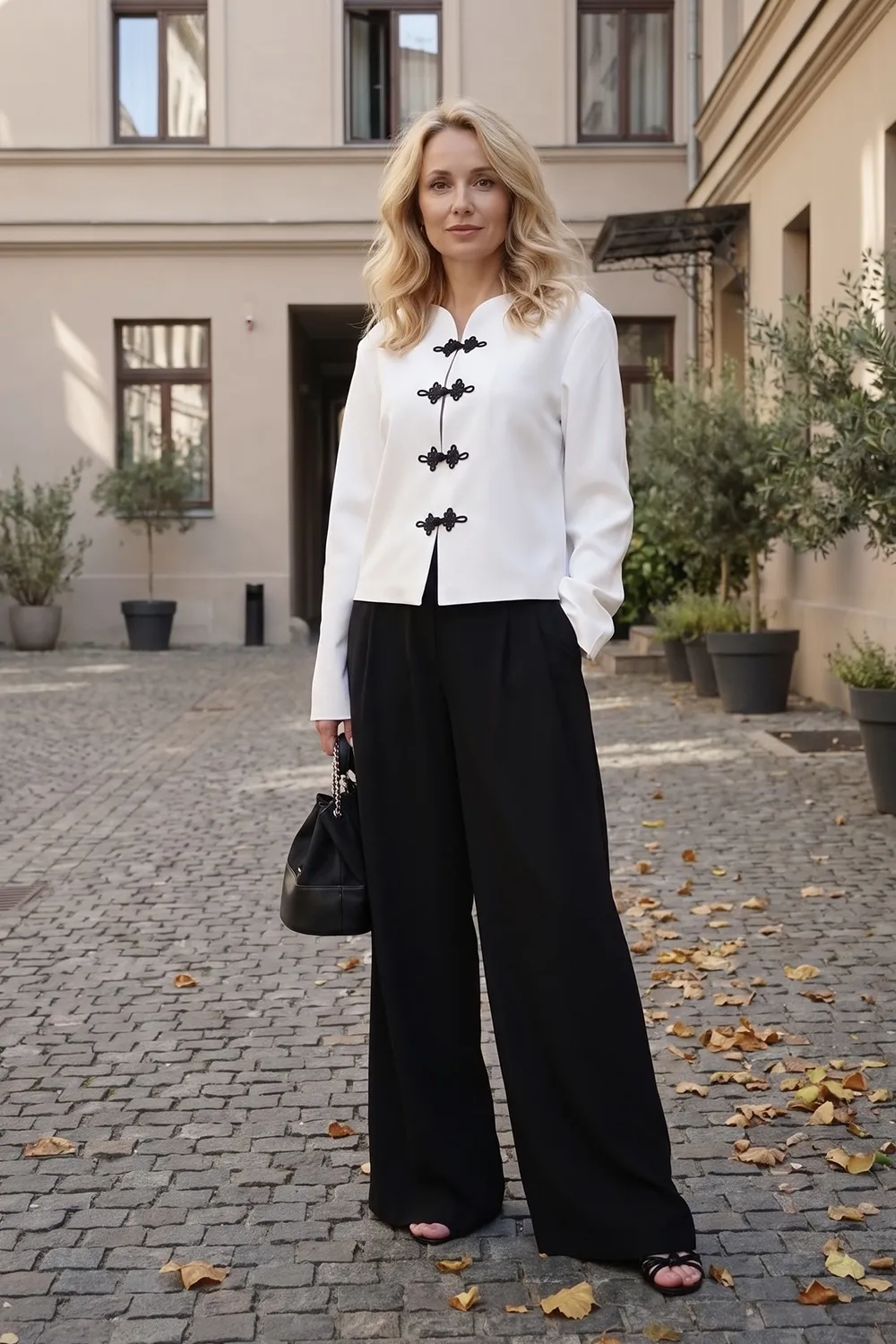 Tailored to Perfection: Achieving a Flawless Fit for Blazers and Suits
A practical editorial guide to wearing blazers and suits with more balance and repeatability.
 The Unspoken Language of Style: Mastering Dress and Jumpsuit Silhouettes for Every Event
A practical editorial guide to wearing dresses, jumpsuits with more balance and repeatability.
 Sleeve Statement: The Detail Redefining Dress Silhouettes
A practical editorial guide to wearing dresses, jumpsuits with more balance and repeatability.