
 Free delivery in Ukraine upon full payment of the order
  Return of goods within 14 days

The Art of Silhouette: What Schiaparelli's Met Gala Dress Says About the Future of Fashion
We analyze Kylie Jenner's couture gown by Schiaparelli from the Met Gala not merely as a celebrity appearance, but as a significant fashion signal. We delve into how the return to sculptural forms and complex textures is reshaping our understanding of the modern wardrobe.
The Art of Silhouette: What Schiaparelli's Met Gala Dress Says About the Future of Fashion
More Than Just a Dress: A Manifesto of Craftsmanship at the Met Gala
Every year, the Met Gala becomes a stage for the boldest fashion statements, yet only a few transcend the usual 'best and worst dressed' discussions. Kylie Jenner's Schiaparelli gown, which took eleven thousand hours of handcrafting to create, is precisely one such instance. This isn't just a red-carpet outfit; it's a powerful manifesto, reminding us of the value of craftsmanship, time, and concept in an era obsessed with speed. This look compels us to slow down and consider fashion not as a utilitarian object, but as an art form where every detail matters.
It is in such moments that signals are born, subsequently shaping the direction of the entire industry. This isn't about direct copying, but about borrowing the spirit, philosophy, and key elements. The return to complex, labor-intensive techniques and architectural forms is a response to the demand for durability, mindfulness, and genuine individuality in fashion.
The Return of Structure: Reimagining the Feminine Silhouette
The central element of the Schiaparelli dress was its sculptural, almost architectural silhouette with an accentuated waist. This marks a clear departure from the relaxed and oversized forms that have dominated recent seasons. We are witnessing a return to structure, to clearly defined lines that do not restrict, but rather shape and emphasize the figure. This is a new perspective on femininity, where strength is expressed through precise tailoring and thoughtful proportions.
This trend speaks to a desire for a more polished and cohesive look. It's not about nostalgia for the past, but a contemporary interpretation of classic tailoring techniques. In everyday life, this manifests in dresses with pronounced darts, pleats, and contoured seams that create shape without the need for corsets or rigid constructions. The silhouette once again becomes the primary storytelling tool.
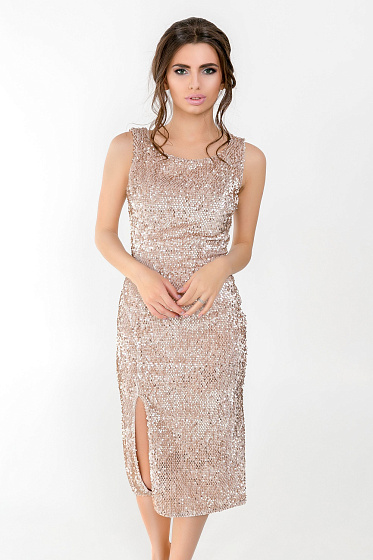
The Dialogue of Textures: When Material Defines Form
Sculptural tailoring is impossible without the right material. Couture houses, like Schiaparelli, masterfully work with fabrics, making them hold their shape and create the desired volume. This focus on tactility and material density is another important signal that is easily adaptable for an everyday wardrobe. Smooth satin, dense eco-leather, or textured velour can transform even the simplest dress into a design object.
Consider, for example, this piece, which demonstrates how the material itself creates a clear yet comfortable structure.
Color as a Statement in Itself
Against the backdrop of complex forms and textures, color ceases to be merely an addition and becomes a key element of the look. Couture outfits often rely on a single, powerful shade – be it a sophisticated cream, a deep jewel tone, or a pure, vibrant hue. This teaches us to perceive color not as a background, but as a full-fledged tool for creating mood and making a statement.
With pieces like this piece, it becomes more than just clothing; it's an extension of your individuality.
Even for an evening out, the principle remains the same. A golden velour dress with sequins uses color and sparkle not to mask, but to emphasize the silhouette. This proves that boldness can be exquisite.
Integrating Ideas: From Runway to Personal Style
So, how can the haute couture ideas showcased at the Met Gala enrich our own style? The key lies in adapting principles, not copying exact looks. Instead of searching for an exact replica of a gown, focus on pieces that carry the same code: respect for form, attention to material, and boldness in color. This could be a dress with interesting draping, a jumpsuit made from a dense fabric, or a sundress with an architectural cut.
By exploring collections featuring modern Dresses, Jumpsuits, you can find those very pieces that will reflect your understanding of fashion – as art for life.
FAQ
Is it necessary to wear corsets to create a structured silhouette?
Absolutely not. Modern design achieves a structured effect through thoughtful tailoring, contoured seams, darts, and the use of fabrics that hold their shape well, such as dense cotton, eco-leather, or suiting materials. Comfort remains a priority.
How do you properly style a dress with a complex cut?
The best approach is minimalism. Allow the dress to be the central element of your look. Choose understated footwear, subtle jewelry, and a simple bag. When the clothing itself is a work of art, it doesn't need an elaborate frame.
Are sculptural dresses suitable for the office or everyday wear?
Yes, it all depends on the material, length, and color. A sheath dress made from dense fabric with interesting cut details, an A-line sundress, or a shirt dress made from quality cotton can be perfectly appropriate in business and everyday settings, adding elegance and polish to your look.
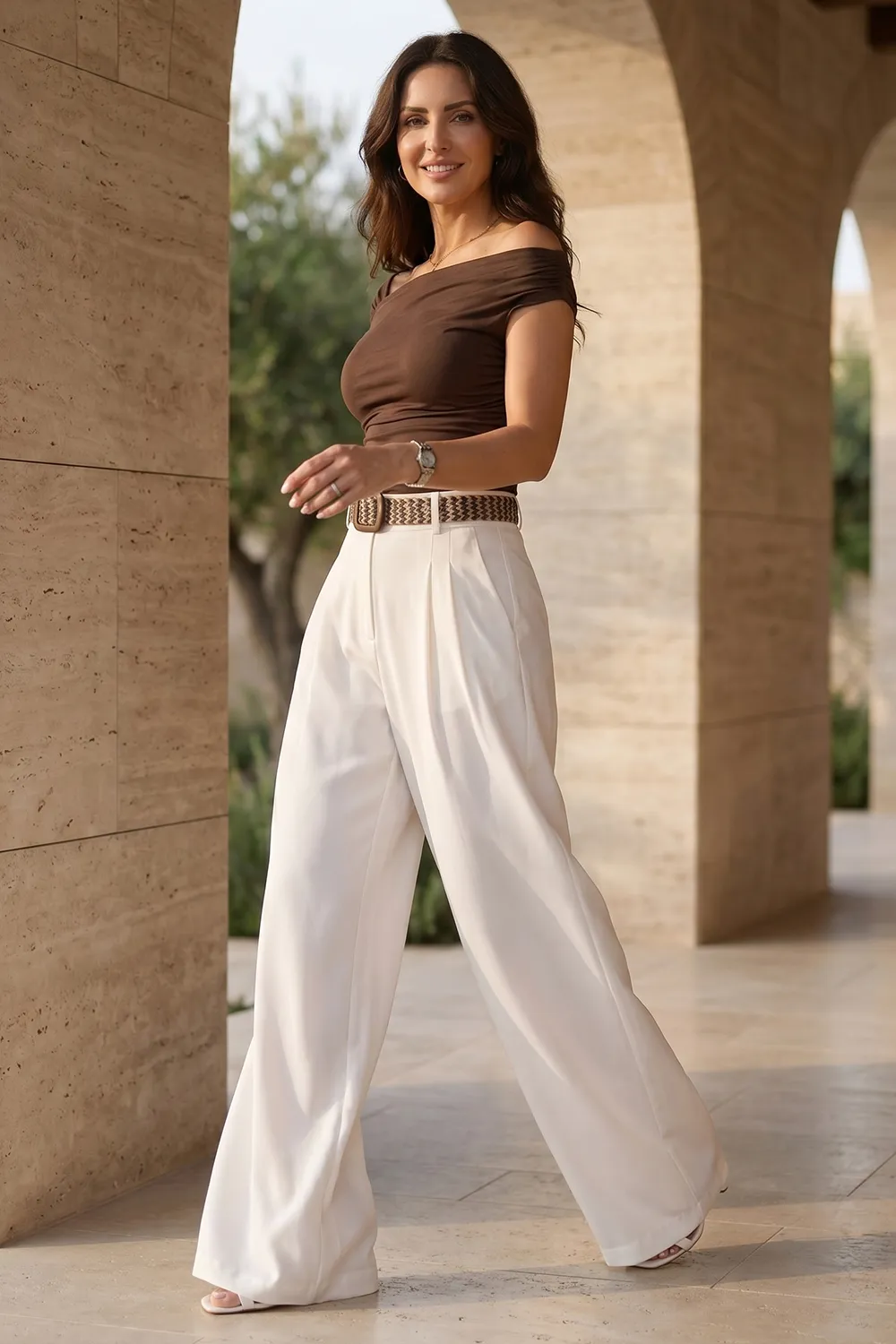 Jacquemus's 2027 Skirt Forecast: The New Rules of Proportional Play
An editorial AZURI article about how t-shirts, tops, bodysuit, longsleeves translates the fashion news signal into wearable style.
Jacquemus's 2027 Skirt Forecast: The New Rules of Proportional Play
An editorial AZURI article about how t-shirts, tops, bodysuit, longsleeves translates the fashion news signal into wearable style.
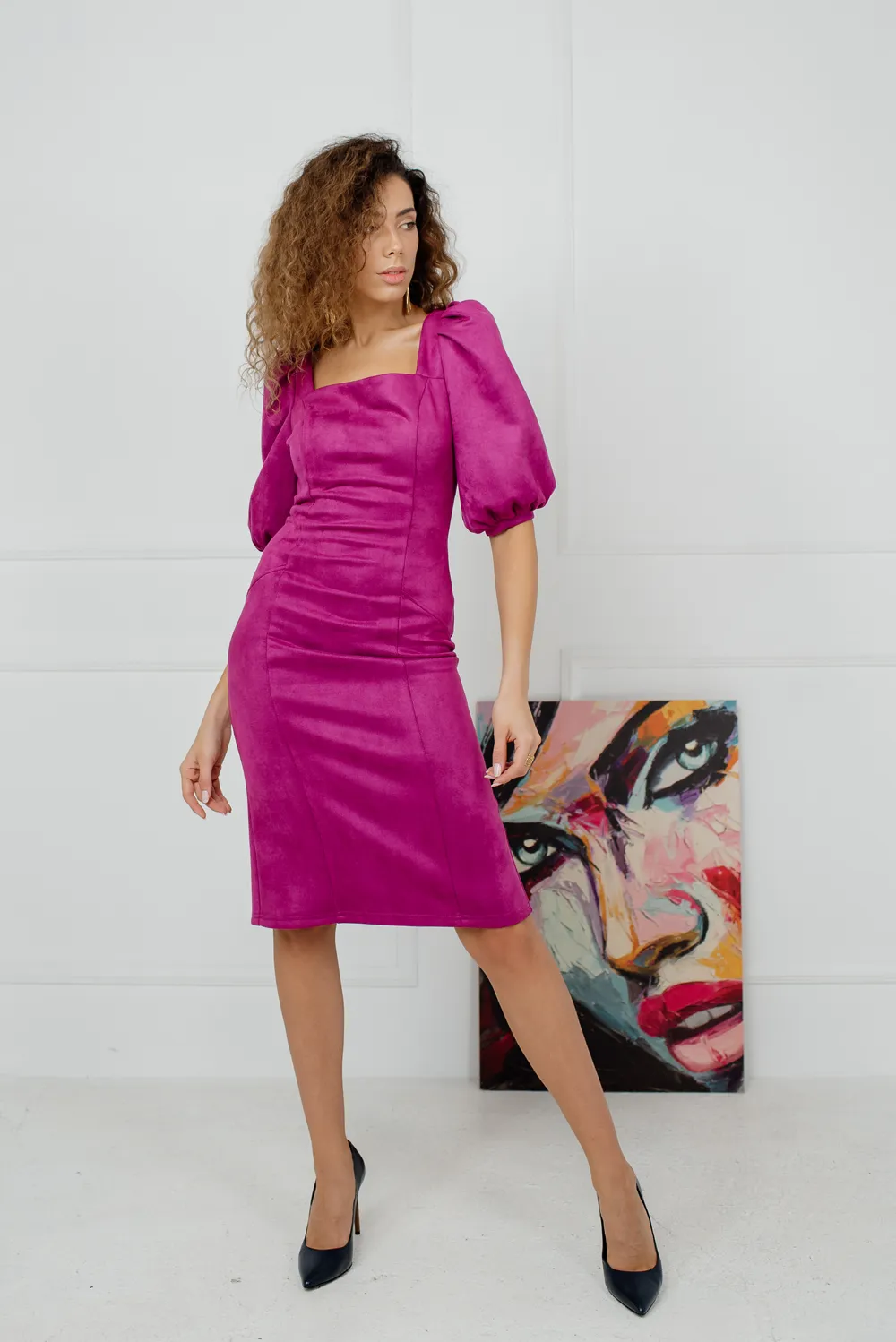 Paris Men's Fashion Week: The Shoes That Sparked Industry Debate
An editorial AZURI article about how t-shirts, tops, bodysuit, longsleeves translates the fashion news signal into wearable style.
Paris Men's Fashion Week: The Shoes That Sparked Industry Debate
An editorial AZURI article about how t-shirts, tops, bodysuit, longsleeves translates the fashion news signal into wearable style.
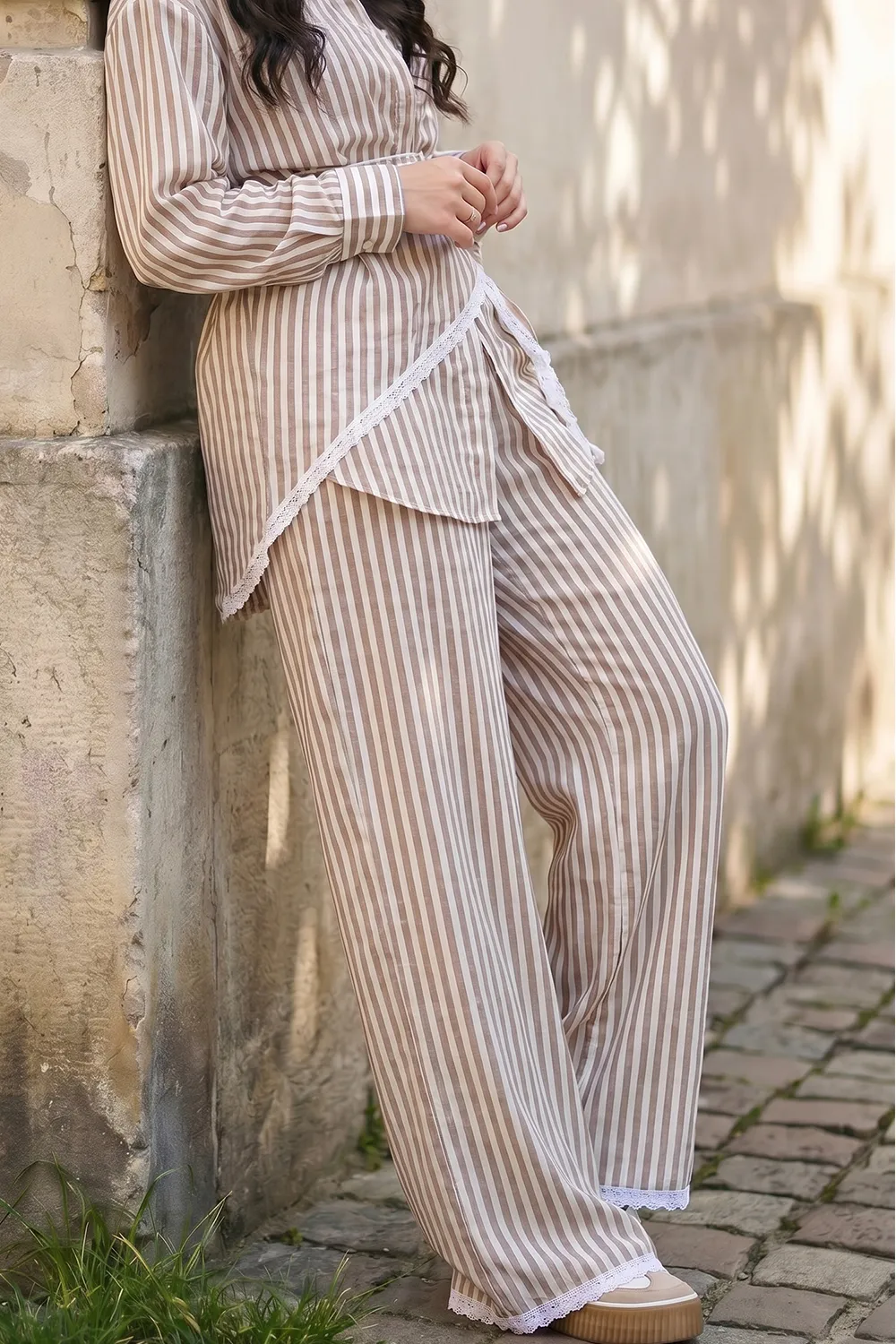 Fashion's Bold New Vision: Why Statement Sunglasses Are This Season's Defining Accessory
From the runways of Paris to the streets of New York, exaggerated sunglasses have become a key signal for 2026. We delve into how a single accessor...
Fashion's Bold New Vision: Why Statement Sunglasses Are This Season's Defining Accessory
From the runways of Paris to the streets of New York, exaggerated sunglasses have become a key signal for 2026. We delve into how a single accessor...