
 Free delivery in Ukraine upon full payment of the order
  Return of goods within 14 days

Classic Trousers: Master the Art of Day-to-Night Styling
A practical editorial guide to wearing trousers with balance and versatility.
Classic Trousers: Master the Art of Day-to-Night Styling
Where silhouette decisions should start
The foundation of a strong trouser look lies in understanding how a piece performs in motion, when seated, and throughout the day's routine. This is why proportion, length, and shoulder line are paramount: they determine if an outfit remains composed after commuting, layering, and various activities. When the silhouette is clear and balanced, the trousers effortlessly pair with flats, a streamlined outer layer, and a medium-sized bag, rather than demanding a high-effort styling scenario. Trousers should be evaluated against a real wardrobe routine, not just an idealized image. When their role is clear from the outset, they integrate naturally with outerwear, suits, and other brand categories, avoiding a 'catalog collage' effect. This approach results in a deliberate, calm, and easily repeatable style.
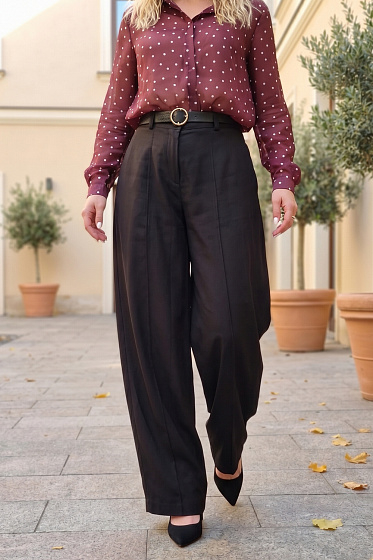
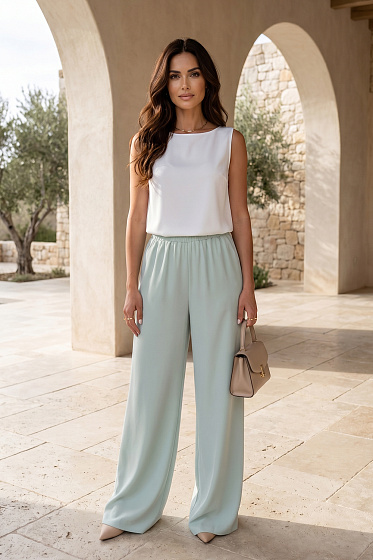
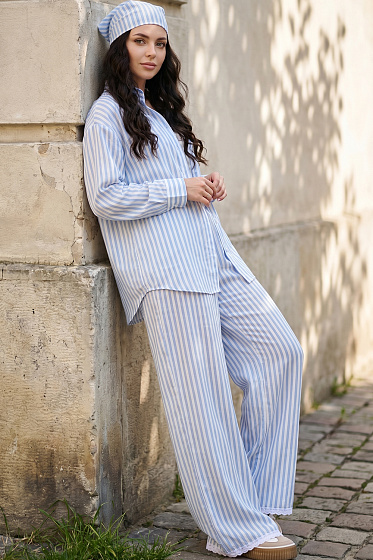
A useful check begins by reviewing the Pants collection to observe how proportion, length, and shoulder line are handled, rather than focusing solely on color or mood. This makes it easier to assess if a new piece will complement your existing outerwear, suits, and other wardrobe items, or if it will require overly precise accessories. Concrete examples, such as relaxed-fit trousers or those with an elastic waist and pockets, are best used to understand fit logic, length balance, and emphasis level, rather than as literal outfits to copy. Once this logic is clear, the look becomes easier to repeat without fatigue, transforming the category from a one-time attraction into a reliable wardrobe tool.
How fabric and texture change the outcome
The choice of fabric and its texture significantly influences how trousers perform throughout the day. The way fabric moves and its perceived density are crucial for maintaining a composed outfit through commuting, layering, and various daily activities. When the silhouette reads clearly, the piece works well with flats, a cleaner outer layer, and a medium-sized bag, eliminating the need for a complex styling effort. Trousers should be tested against your actual wardrobe routine, not just a single aspirational image. When the role of the piece is understood from the start, it harmonizes with outerwear, suits, and other brand categories, creating a cohesive look that feels deliberate, calm, and easy to repeat.
A practical review involves examining this piece to compare how fabric movement and perceived density contribute to its overall impression, rather than reacting only to color or the image's mood. This helps determine if the trousers will support your existing outerwear, suits, and other garments, or if they demand overly precise accessories. Generic examples, like relaxed-fit trousers or those with an elastic waist and pockets, are valuable for understanding fit logic, length balance, and emphasis, rather than for direct replication. Once this logic is clear, the look becomes easier to repeat without fatigue, turning the category into a dependable wardrobe asset.
What makes the outfit feel composed
The overall composition of an outfit with trousers is heavily influenced by the supporting elements. The role of shoes, bags, and outer layers is critical, as they determine whether the ensemble maintains its polished feel after commuting, sitting, layering, and moving through a full day. When the silhouette is clearly defined, the trousers pair seamlessly with flats, a clean outer layer, and a medium-sized bag, rather than requiring a separate, high-effort styling scenario. In practice, trousers should be evaluated within the context of your real wardrobe routine. When the piece's role is clear, it integrates naturally with outerwear, suits, and other categories, creating a deliberate, calm, and easily repeatable look.
A useful check involves reviewing the Outerwear, Suits, and Trousers collection to see how shoes, bags, and outer layers are integrated. This helps assess if a new pair of trousers will complement your existing outerwear, suits, and other garments, or if it will demand overly specific accessories. Concrete examples, such as relaxed-fit trousers or those with an elastic waist and pockets, are most helpful for understanding fit logic, length balance, and emphasis, rather than as literal outfits to copy. Once this logic is clear, the look becomes easier to repeat without fatigue, transforming the category into a reliable wardrobe tool.
How the piece works across real scenarios
The true strength of trousers lies in their ability to adapt to various real-life scenarios. The transition from a calm day setting to a sharper evening mood is a key test of their versatility, determining if the outfit remains composed after commuting, sitting, layering, and moving through a full day. When the silhouette is clear, the trousers work effortlessly with flats, a clean outer layer, and a medium-sized bag, rather than demanding a complex styling effort. Trousers should be tested against your actual wardrobe routine, not just an idealized image. When their role is clear from the start, they integrate naturally with outerwear, suits, and other brand categories, creating a deliberate, calm, and easily repeatable style.
A practical review involves examining this piece to understand how it transitions from a calm day setting to a sharper evening mood, rather than focusing solely on color or the image's mood. This helps determine if the trousers will support your existing outerwear, suits, and other garments, or if they demand overly precise accessories. Generic examples, like relaxed-fit trousers or those with an elastic waist and pockets, are valuable for understanding fit logic, length balance, and emphasis, rather than for direct replication. Once this logic is clear, the look becomes easier to repeat without fatigue, turning the category into a dependable wardrobe asset.
Mistakes that flatten the whole impression
Certain styling choices can quickly diminish the elegance of trousers. Excess detail, awkward length, and random combinations are common pitfalls that can undermine an outfit's composure after commuting, sitting, layering, and moving through a full day. When the silhouette is clear, the trousers work well with flats, a cleaner outer layer, and a medium-sized bag, eliminating the need for a complex styling effort. Trousers should be tested against your actual wardrobe routine, not just an idealized image. When the role of the piece is understood from the start, it harmonizes with outerwear, suits, and other brand categories, creating a cohesive look that feels deliberate, calm, and easy to repeat.
A useful check involves reviewing this piece to understand how to avoid issues like excessive detail, unflattering lengths, and haphazard pairings, rather than reacting only to color or the image's mood. This helps determine if the trousers will support your existing outerwear, suits, and other garments, or if they demand overly precise accessories. Generic examples, like relaxed-fit trousers or those with an elastic waist and pockets, are valuable for understanding fit logic, length balance, and emphasis, rather than for direct replication. Once this logic is clear, the look becomes easier to repeat without fatigue, turning the category into a dependable wardrobe asset.
FAQ
How do you know that trousers do not feel overloaded?
Check proportion, length, and layering first: if the piece works with simple shoes and does not constantly require elaborate accessories to feel balanced, the outfit is already well-composed.
Can trousers be styled with outerwear and suits?
Yes, as long as each piece maintains a distinct role. One category should define the primary line or silhouette, while the other supports it with structure or subtle layering without competing for total focus.
Why review specific trouser styles?
Not to copy a ready-made look, but to judge fit, length, detail scale, and whether the piece can function effectively within your real wardrobe rhythm.
 Cargo Pants: From Casual Cool to Chic Sophistication
A practical editorial guide to wearing pants with more balance and repeatability.
Cargo Pants: From Casual Cool to Chic Sophistication
A practical editorial guide to wearing pants with more balance and repeatability.
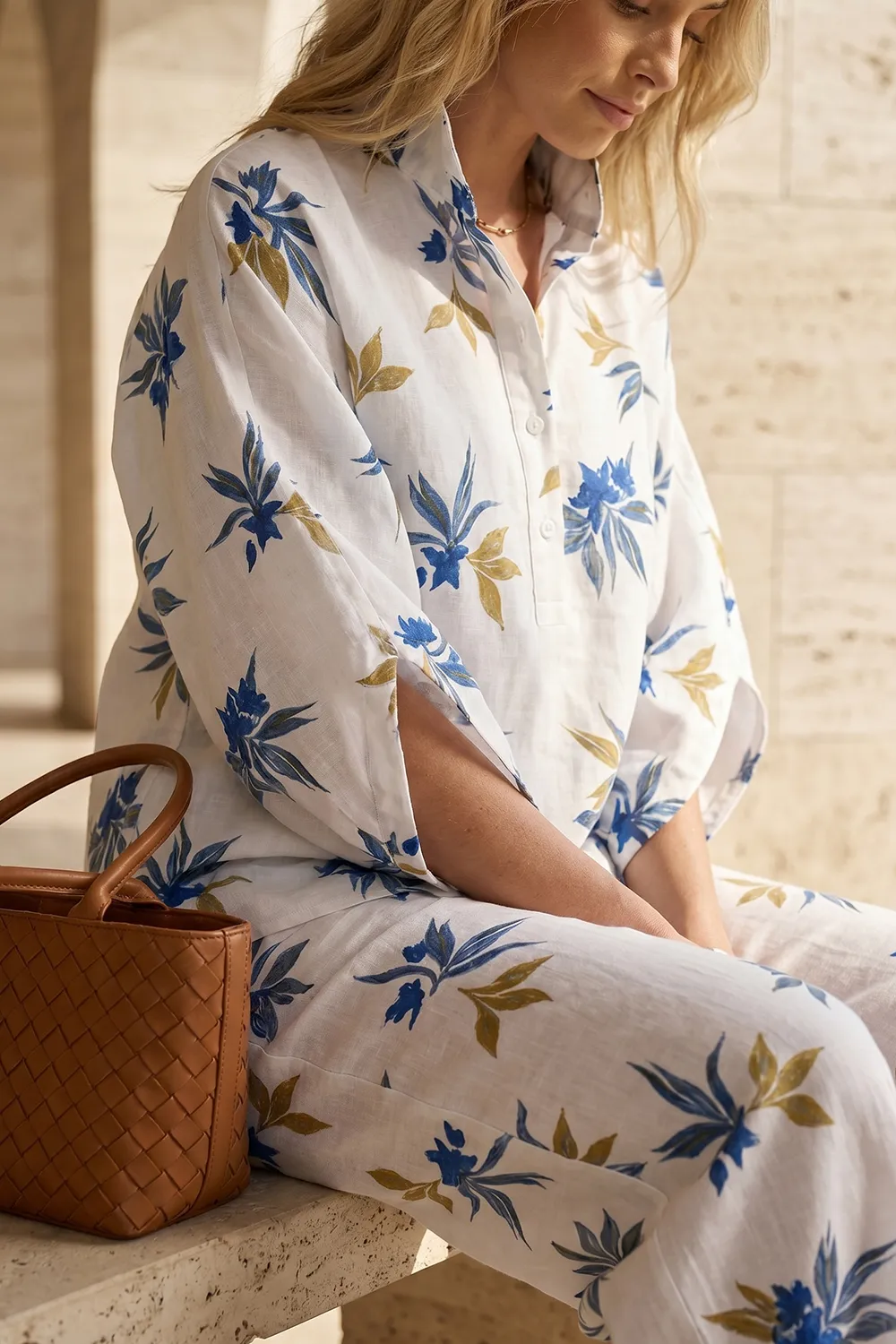 The Transitional Blazer: Effortless Style for Changing Seasons
A practical guide to styling blazers and tailored pieces for balance and versatility.
The Transitional Blazer: Effortless Style for Changing Seasons
A practical guide to styling blazers and tailored pieces for balance and versatility.
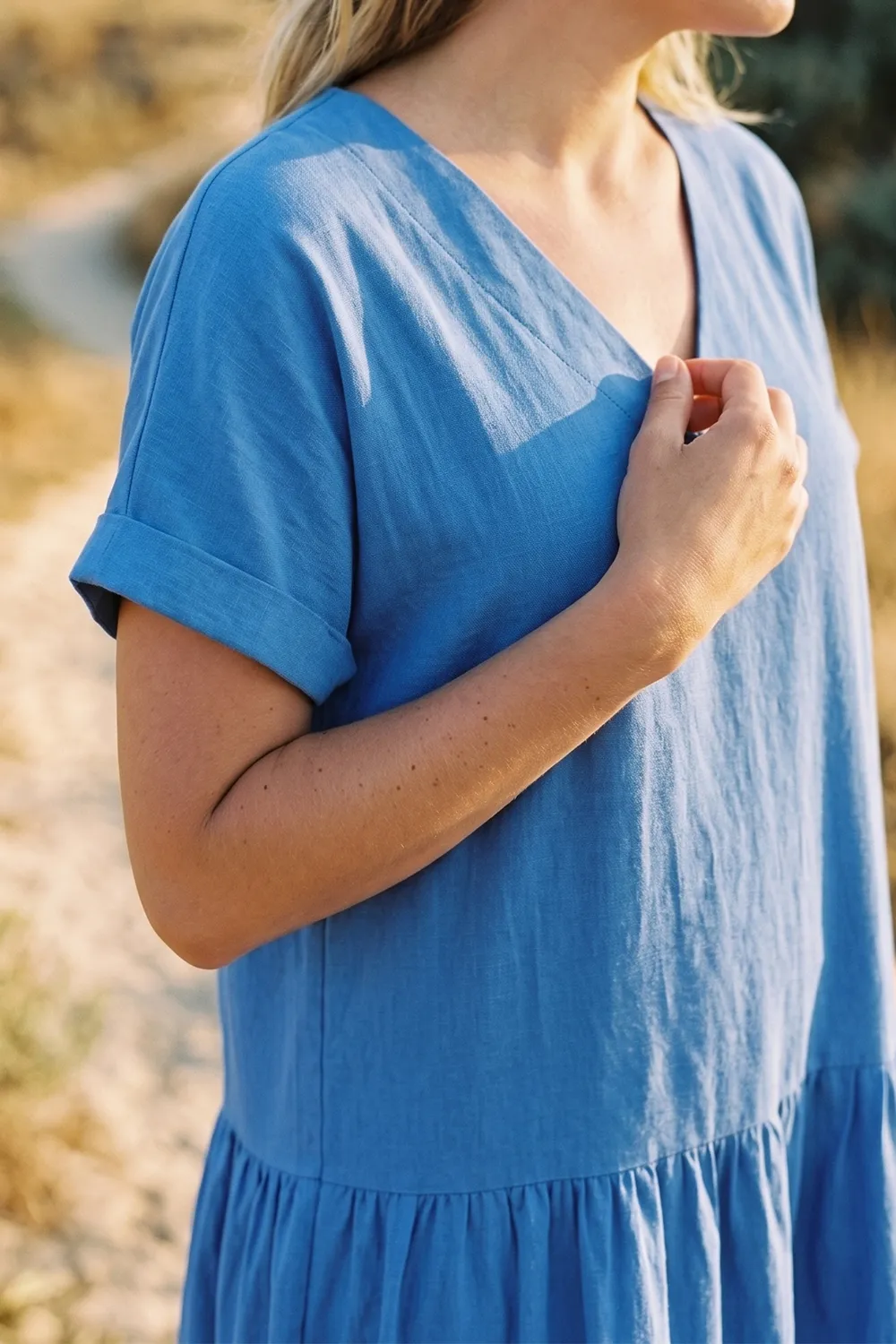 Structural Elegance: The Power of Detail in Dresses and Jumpsuits
A practical editorial guide to wearing dresses, jumpsuits with more balance and repeatability.
Structural Elegance: The Power of Detail in Dresses and Jumpsuits
A practical editorial guide to wearing dresses, jumpsuits with more balance and repeatability.