
 Free delivery in Ukraine upon full payment of the order
  Return of goods within 14 days

The Art of Layering: T-shirts, Tops, and Bodysuits for Comfort and Chic Style
A practical editorial guide to wearing t-shirts, tops, bodysuits, and longsleeves with more balance and repeatability.
The Art of Layering: T-shirts, Tops, and Bodysuits for Comfort and Chic Style
Where silhouette decisions should start
The foundation of any strong outfit lies in its silhouette, especially when it comes to t-shirts, tops, bodysuits, and longsleeves. These pieces are judged in motion, long before intricate details are noticed. Therefore, proportion, length, and shoulder line are paramount: they determine if an outfit remains polished and composed throughout a busy day of commuting, sitting, layering, and moving. When the silhouette is clear and well-defined, the piece effortlessly pairs with flats, a streamlined outer layer, and a medium-sized bag, eliminating the need for complex, high-effort styling. These wardrobe essentials should be evaluated against your real-life routine, not just an idealized image. When their role is clear from the outset, they integrate seamlessly with blouses & shirts and other categories, creating a cohesive look rather than a disjointed catalog collage. This approach ensures a deliberate, calm, and easily repeatable style.
A practical approach begins by reviewing our T-shirts, Tops, Bodysuits, and Longsleeves collection. Focus on how proportion, length, and shoulder line are executed, rather than just the color or image mood. This perspective helps determine if a piece complements your existing blouses & shirts or if it demands excessive accessorizing to make sense. Instead of literal outfit replication, consider examples like a classic cotton t-shirt or an elegant draped top for their fit logic, length balance, and emphasis level. Once this understanding is established, recreating looks becomes effortless, transforming these items from fleeting trends into indispensable wardrobe tools.
How fabric and texture change the outcome
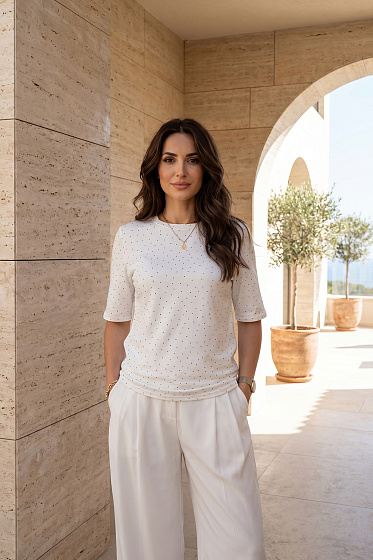
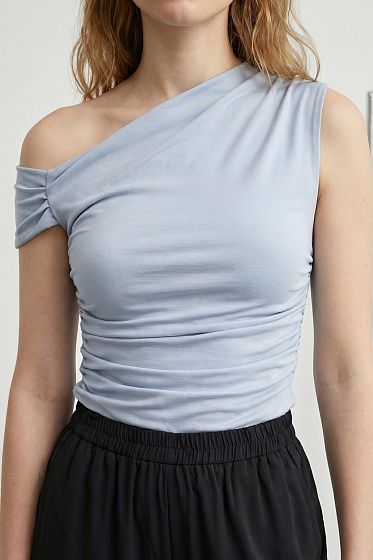
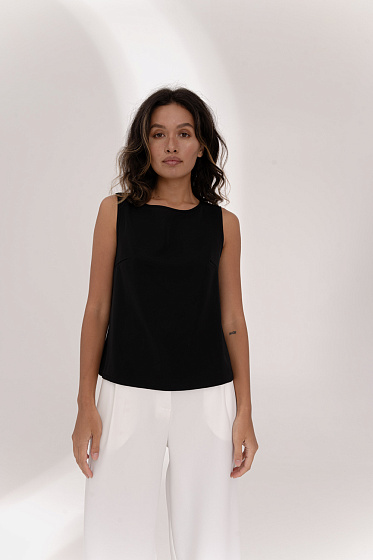
Beyond silhouette, the impact of fabric and texture is crucial for t-shirts, tops, bodysuits, and longsleeves. These elements dictate how a garment moves and drapes, influencing whether an outfit maintains its composure throughout a dynamic day. The way fabric flows and its perceived density are key factors in ensuring your look remains polished after commuting, sitting, layering, and constant movement. When the silhouette is clear, the piece integrates effortlessly with flats, a clean outer layer, and a medium-sized bag, avoiding the need for elaborate styling. These foundational pieces should be evaluated within your daily wardrobe routine, not just as isolated items. When their purpose is understood, they naturally complement blouses & shirts and other categories, creating a harmonious ensemble rather than a chaotic mix. This approach cultivates a deliberate, calm, and easily repeatable style.
To understand this better, examine this example, paying attention to its fabric movement and perceived density, rather than just its color or the image's mood. This helps assess if the piece will complement your existing blouses & shirts or if it requires overly specific accessories. Generic examples, such as a well-structured t-shirt or a fluid draped top, are best utilized for understanding fit logic, length balance, and how much emphasis they add, rather than as literal outfits to copy. Once this logic is clear, repeating the look becomes effortless, transforming the category from a fleeting interest into a dependable wardrobe asset.
What makes the outfit feel composed
For t-shirts, tops, bodysuits, and longsleeves, a truly composed outfit extends beyond the core garment. The supporting roles of shoes, bags, and outer layers are critical. These elements determine whether your ensemble maintains its polished appearance throughout a day filled with commuting, sitting, layering, and movement. When the underlying silhouette is strong, these pieces effortlessly pair with simple flats, a refined outer layer, and a medium-sized bag, eliminating the need for complex, high-maintenance styling. These wardrobe staples should be evaluated within the context of your daily routine, not just as isolated items. When their function is clear, they integrate seamlessly with blouses & shirts and other categories, creating a cohesive look rather than a disjointed collection. This approach ensures a deliberate, calm, and easily repeatable style.
A helpful exercise is to review our Blouses & Shirts collection, observing how shoes, bags, and outer layers are integrated, rather than focusing solely on color or the image's aesthetic. This helps determine if a piece will truly complement your existing blouses & shirts or if it demands overly specific accessories. Rather than literal copying, use generic examples like a well-fitted t-shirt or a versatile top to understand fit logic, length balance, and the level of emphasis. Once this logic is clear, repeating outfits becomes effortless, transforming these items from occasional purchases into reliable wardrobe tools.
How the piece works across real scenarios
The versatility of t-shirts, tops, bodysuits, and longsleeves is best showcased when they transition seamlessly between different scenarios. These pieces are evaluated by how they perform in motion, long before any decorative details are noticed. Therefore, their ability to adapt from a relaxed daytime setting to a more refined evening mood is crucial. This adaptability ensures the outfit remains composed after commuting, sitting, layering, and navigating a full day. With a clear silhouette, the piece easily pairs with flats, a streamlined outer layer, and a medium-sized bag, eliminating the need for high-effort styling. These wardrobe essentials should be tested against your actual routine, not just an idealized image. When their role is clear, they integrate naturally with blouses & shirts and other categories, creating a cohesive look rather than a disjointed catalog. This approach results in a deliberate, calm, and easily repeatable style.
To illustrate, consider this top and observe how it transitions from a casual daytime look to a more sophisticated evening ensemble, rather than focusing solely on its color or the image's mood. This helps determine if the piece will complement your existing blouses & shirts or if it demands overly specific accessories. Generic examples, such as a simple cotton t-shirt or a chic draped top, are best used for understanding fit logic, length balance, and emphasis, rather than for literal outfit copying. Once this logic is clear, repeating looks becomes effortless, transforming these items from one-time attractions into reliable wardrobe tools.
Mistakes that flatten the whole impression
When styling t-shirts, tops, bodysuits, and longsleeves, certain pitfalls can diminish the overall impression. These pieces are primarily judged by their movement and silhouette, not just their decorative elements. Therefore, factors like excessive detail, awkward length, and haphazard combinations are crucial. They determine whether an outfit maintains its composure throughout a day of commuting, sitting, layering, and movement. With a clear silhouette, the piece integrates effortlessly with flats, a clean outer layer, and a medium-sized bag, avoiding the need for high-effort styling. These wardrobe essentials should be evaluated against your real-life routine, not just an idealized image. When their role is clear, they naturally complement blouses & shirts and other categories, creating a cohesive look rather than a disjointed catalog. This approach ensures a deliberate, calm, and easily repeatable style.
To avoid these mistakes, consider this example, observing how it avoids excess detail, awkward length, or random combinations, rather than focusing solely on its color or the image's mood. This helps determine if the piece will complement your existing blouses & shirts or if it demands overly specific accessories. Generic examples, such as a simple cotton t-shirt or a versatile draped top, are best used for understanding fit logic, length balance, and emphasis, rather than for literal outfit copying. Once this logic is clear, repeating looks becomes effortless, transforming these items from one-time attractions into reliable wardrobe tools.
FAQ
How do you know that t-shirts, tops, bodysuits, and longsleeves do not feel overloaded?
First, assess proportion, length, and layering. If the piece pairs well with simple shoes and doesn't require constant accessory intervention, the balance is likely well-achieved.
Can t-shirts, tops, bodysuits, and longsleeves sit well next to blouses & shirts?
Absolutely, provided their roles remain distinct. One category should establish the primary line, while the other offers support through structure or subtle layering, rather than vying for complete attention.
Why review generic examples?
The purpose is not to replicate a specific look, but to evaluate fit, length, detail scale, and whether the piece integrates effectively into your actual wardrobe routine.
 Dresses and Jumpsuits: The Formula for Effortless Chic
A practical editorial guide to wearing dresses, jumpsuits with more balance and repeatability.
Dresses and Jumpsuits: The Formula for Effortless Chic
A practical editorial guide to wearing dresses, jumpsuits with more balance and repeatability.
 The Blazer: Architecting Your Signature Style
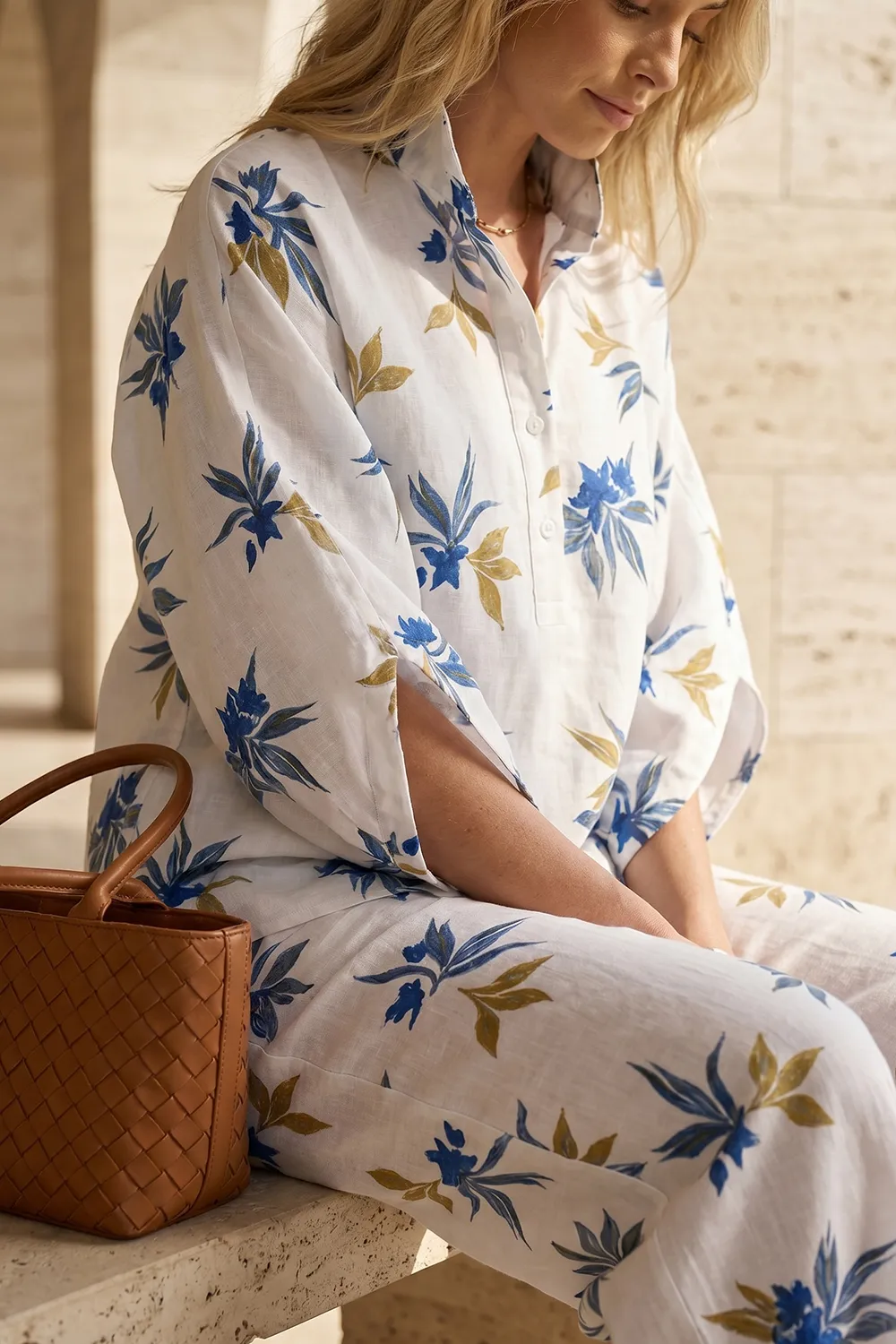
A practical editorial guide to wearing blazers and suits with balance and versatility.
The Blazer: Architecting Your Signature Style
A practical editorial guide to wearing blazers and suits with balance and versatility.
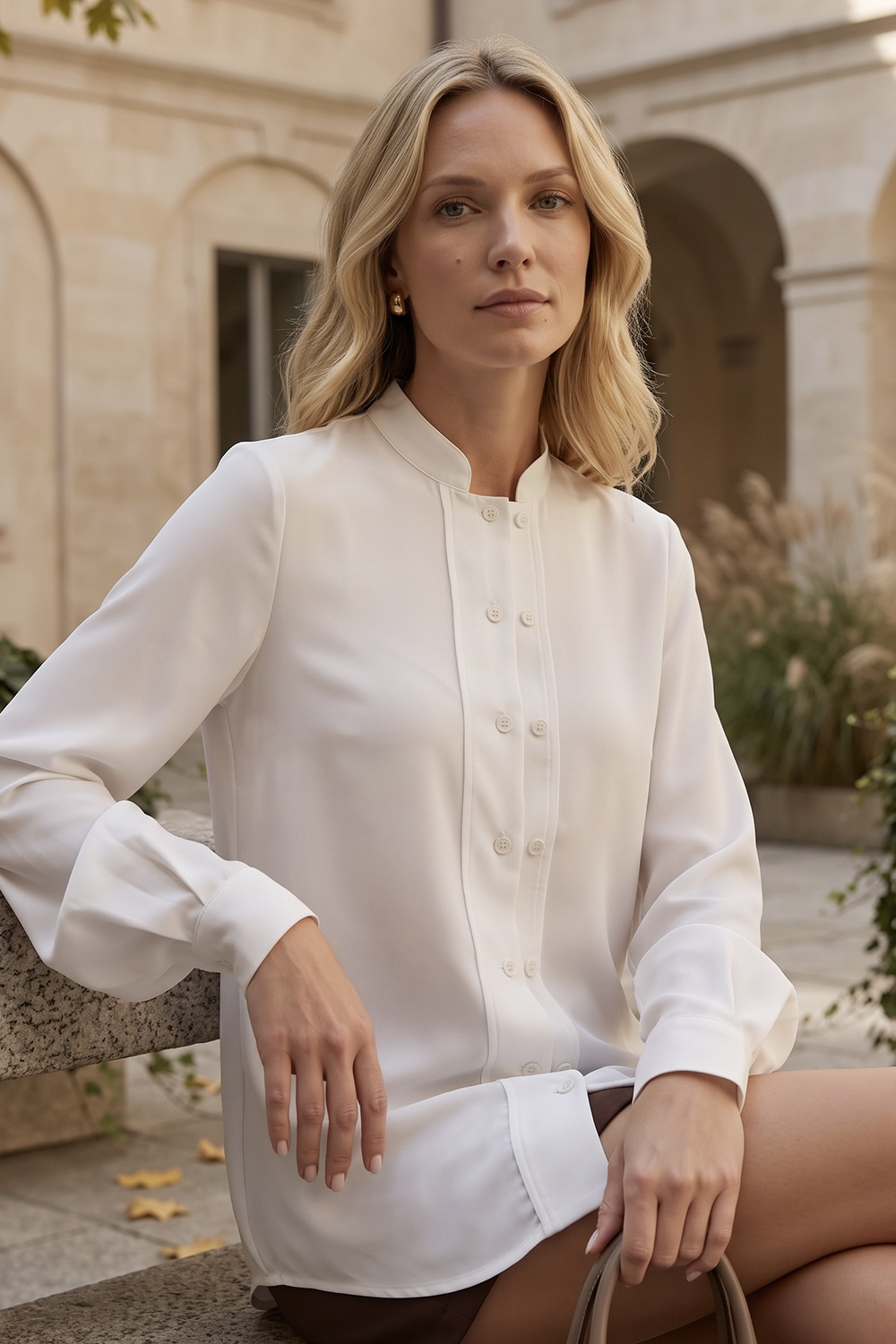 Mastering Blouse Sleeves: Elevate Your Style
A practical editorial guide to wearing blouses & shirts with more balance and repeatability.
Mastering Blouse Sleeves: Elevate Your Style
A practical editorial guide to wearing blouses & shirts with more balance and repeatability.