
 Free delivery in Ukraine upon full payment of the order
  Return of goods within 14 days

Fabric Finesse: How Silk, Linen, and Cotton Redefine Your Blouse Style
The choice of a blouse goes beyond style; it's about the material. Discover how silk, linen, cotton, and viscose influence silhouette, comfort, and style, and learn to select the ideal fabric for any occasion.
Introduction: Why Fabric Matters?
The world of blouses and shirts offers endless possibilities, but the true secret to a perfect look lies in the fabric. Beyond style and cut, the material profoundly influences how a blouse drapes, feels, and performs throughout the day. Understanding the unique characteristics of different fabrics—from the luxurious flow of silk to the breathable comfort of linen and the everyday versatility of cotton—empowers you to make choices that enhance your silhouette, ensure comfort, and elevate your overall style. This guide explores how these key fabrics redefine your blouse wardrobe, helping you select the ideal material for any occasion.
Silk: The Embodiment of Elegance and Luxury
Silk is synonymous with luxury and sophistication. Its smooth, flowing texture and delicate sheen create a second-skin feel. The main advantage of silk is its ability to drape beautifully, softly outlining the silhouette without adding unnecessary bulk. This fabric possesses unique thermoregulation: it provides coolness in heat and warmth in cold, making it comfortable year-round.
A silk blouse is an investment in elegance. It's ideal for evening outings, formal events, and business looks where an impeccable appearance is required. Pair it with classic trousers, a pencil skirt, or even jeans to add a touch of chic to an everyday outfit. Thanks to its lightness and plasticity, silk allows for the creation of refined and feminine looks.
Caring for silk requires delicacy. Hand washing in cool water with special detergents or dry cleaning is recommended. Iron silk items from the inside out on a minimal temperature while the fabric is still slightly damp. Proper care will preserve the beauty and luster of your favorite blouse for a long time.
Linen: Breathable Comfort and Effortless Chic
Linen is the best choice for warm weather. Its unique fiber structure provides excellent breathability and hygroscopicity, allowing the skin to breathe. The characteristic slight wrinkling of linen is not a flaw, but part of its natural charm, lending a relaxed and natural feel to the look.
A linen shirt is a staple of a summer wardrobe in casual or boho style. It is indispensable for vacations, walks, or creating a relaxed office look on a hot day. Linen pairs perfectly with denim, cotton, and other natural materials. The loose fit of a linen shirt offers freedom of movement and unparalleled comfort.
Caring for linen is straightforward. It becomes softer with each wash and tolerates machine washing on a delicate cycle well. To reduce wrinkling, iron linen items when slightly damp. However, many connoisseurs of this material prefer to skip ironing, enjoying its natural texture.
Cotton: Versatility and Practicality for Every Day
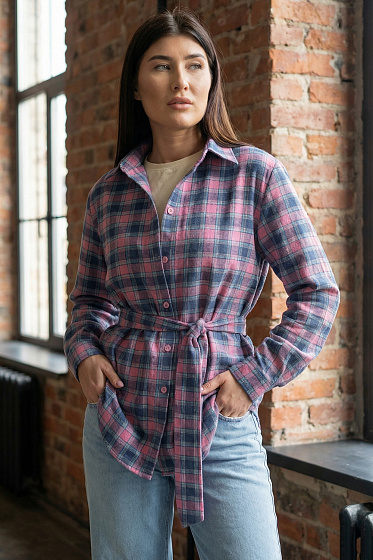
Cotton is a true champion of versatility and practicality, making it an indispensable fabric for everyday wear. Its natural fibers are soft, breathable, and hypoallergenic, offering exceptional comfort. Cotton blouses are perfect for a wide range of occasions, from casual outings to more structured office environments, depending on the weave and finish.
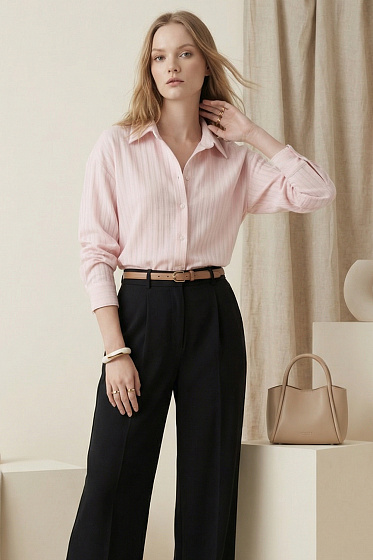
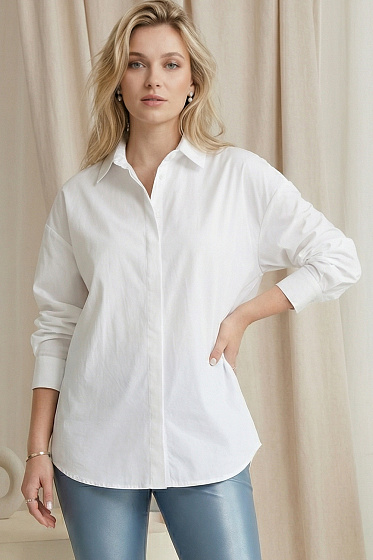
Different cotton weaves offer distinct qualities. For instance, a blend with elastane, as seen in this model, makes a shirt more durable and less prone to wrinkling. Meanwhile, models made of 100% cotton, like this white shirt, are valued for maximum naturalness and comfort. The classic 'Pink straight women's plaid shirt' exemplifies how cotton can be both comfortable and stylish.
Caring for cotton items is generally simple. Most can be machine washed, but always check the label recommendations, especially for colored items or those with intricate detailing.
Viscose and Blended Fabrics: Modern Solutions for a Perfect Fit
Viscose is a material created from natural raw materials (wood cellulose) but produced artificially. It is often called 'artificial silk' due to its similar softness, smoothness, and beautiful drape. Viscose is breathable, doesn't electrify, and is pleasant to the touch, while being more affordable than natural silk.
Blouses made from viscose and its blended fabrics are an excellent choice for those who value comfort and elegance. This material is perfect for models with complex cuts, ruffles, pleats, and vibrant prints, as it dyes well and retains color. Blended fabrics often combine the best qualities of several fibers, offering an optimal balance of appearance, comfort, and practicality.
Viscose requires delicate care. Gentle washing at a low temperature is usually recommended, as its fibers become less strong when wet. It's best to iron such items from the inside out through a damp cloth to avoid shine.
Frequently Asked Questions
Which fabric for a blouse wrinkles the least?
Blended fabrics with added polyester or elastane, as well as dense cotton poplin, generally wrinkle the least. Silk and viscose require more delicate handling, while slight creases on linen are considered part of its aesthetic.
Can a linen shirt be worn to the office?
Yes, especially during the summer and in companies with a relaxed dress code. Choose linen shirts in calm shades and pair them with classic trousers or a pencil skirt to make the look more polished and elegant.
How to distinguish quality cotton from ordinary?
Quality cotton (e.g., long-staple) feels smoother, softer, and denser to the touch. The fabric should be uniform, without knots or irregularities. After a light squeeze in the hand, quality cotton straightens out faster and wrinkles less.
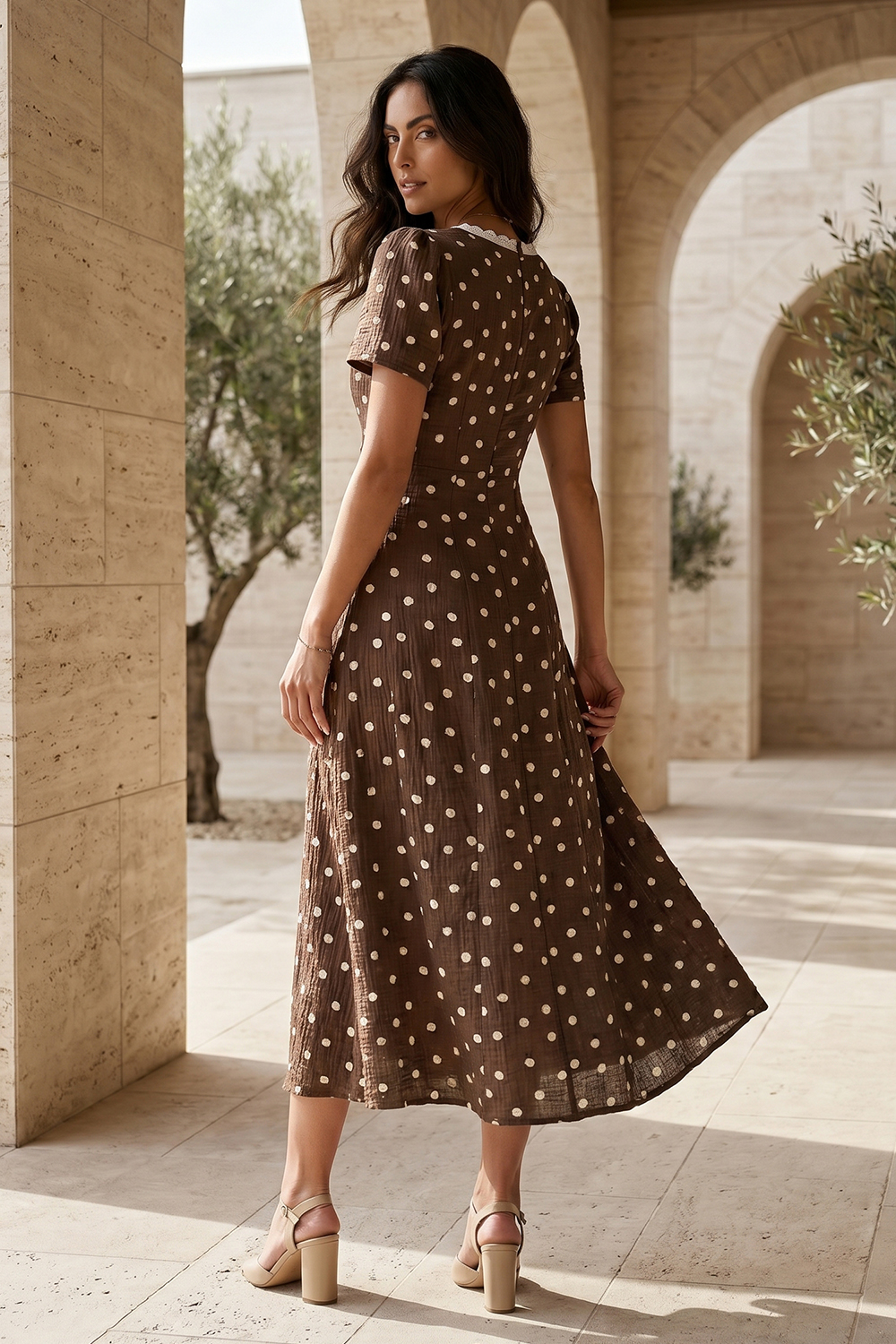 The Power of the Hemline: How Dress and Jumpsuit Lengths Transform Your Look and Mood
Discover how the length and silhouette of a dress or jumpsuit influence your style and mood. Uncover the secrets of choosing mini, midi, and maxi l...
The Power of the Hemline: How Dress and Jumpsuit Lengths Transform Your Look and Mood
Discover how the length and silhouette of a dress or jumpsuit influence your style and mood. Uncover the secrets of choosing mini, midi, and maxi l...
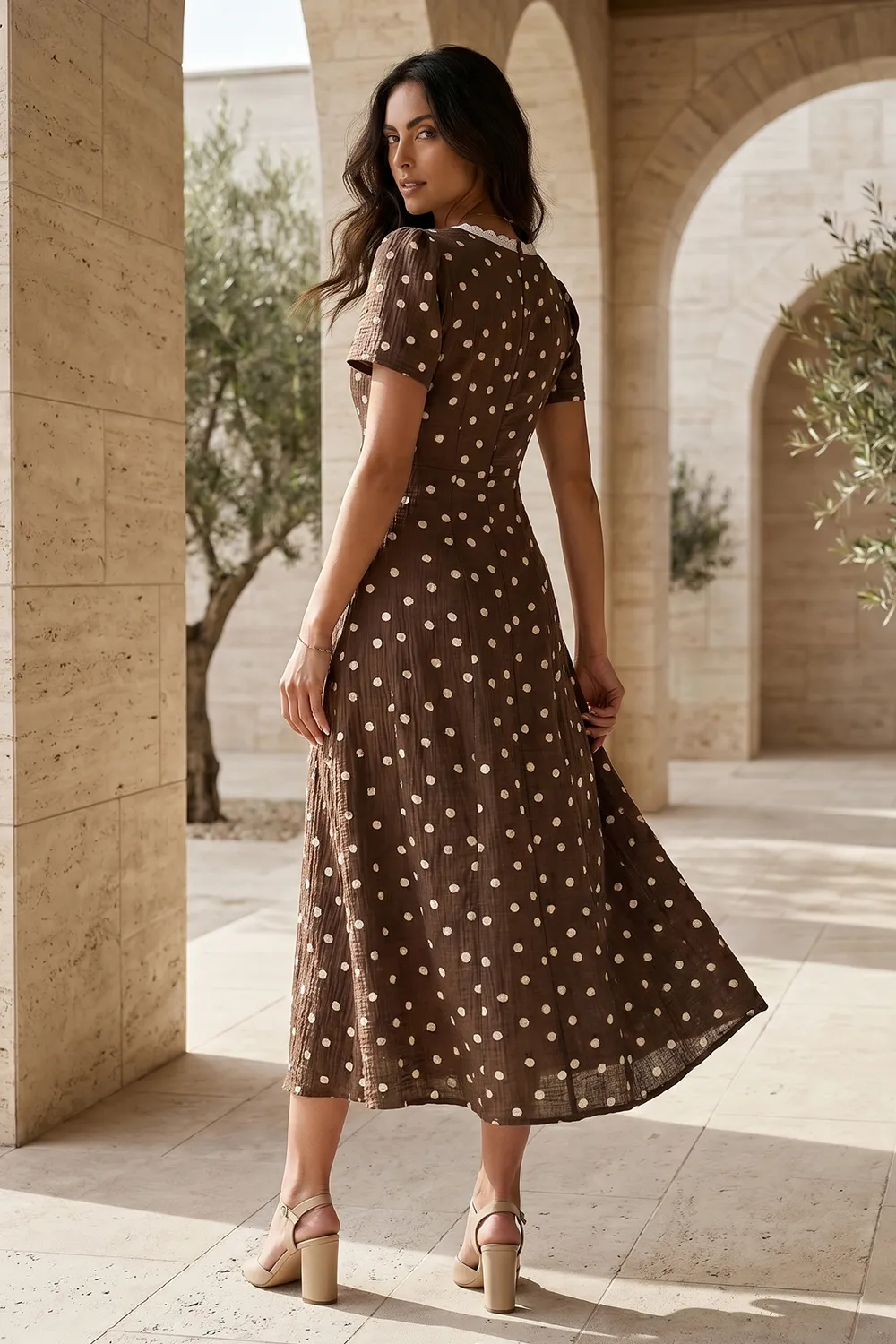 One Piece, Endless Styles: Mastering the Art of Versatile Dressing
Discover how one basic dress or jumpsuit can become the foundation for completely different looks – from minimalism to boho-chic. We reveal the sec...
The Day-to-Night Hero: Styling One Piece From Morning to Midnight
Discover the secrets of a versatile wardrobe. Learn how to transform a single dress or jumpsuit into the perfect outfit for a morning stroll, a bus...
One Piece, Endless Styles: Mastering the Art of Versatile Dressing
Discover how one basic dress or jumpsuit can become the foundation for completely different looks – from minimalism to boho-chic. We reveal the sec...
The Day-to-Night Hero: Styling One Piece From Morning to Midnight
Discover the secrets of a versatile wardrobe. Learn how to transform a single dress or jumpsuit into the perfect outfit for a morning stroll, a bus...