
 Free delivery in Ukraine upon full payment of the order
  Return of goods within 14 days

The Trench Coat: The Ultimate Guide to Effortless Transitional Style
Discover the trench coat as an indispensable wardrobe item for the transitional season. Learn about its history, key design details, fabric choices, and styling methods to create elegant looks for any occasion.
The Trench Coat: The Ultimate Guide to Effortless Transitional Style
Timeless Classic: The History and Enduring Appeal of the Trench Coat
The trench coat, or simply trench, is more than just outerwear. It's a symbol of style that has stood the test of time. Its history began in the trenches of World War I, where it served as functional and durable protection for soldiers. Crafted from gabardine, a waterproof and breathable fabric, it was designed for harsh conditions. However, its practicality and elegant silhouette soon captivated the fashion world. Hollywood icons like Humphrey Bogart and Audrey Hepburn transformed it into a synonym for sophistication and mystery, solidifying its status as a cult item.
Today, the trench coat remains a cornerstone of the transitional wardrobe. Its versatility allows it to easily adapt to the changeable weather of spring and autumn, and its classic design makes it appropriate for any situation – from a business meeting to a city stroll. In a world of rapidly changing trends, the trench coat is a reliable investment in a style that will never go out of fashion.
Anatomy of Style: Key Design Elements of the Trench Coat
The recognizable silhouette of the trench coat is composed of several functional and aesthetic details, each with its own purpose. The double-breasted cut provides extra wind protection, while a wide belt with a buckle allows you to cinch the waist, creating a feminine silhouette. Epaulets on the shoulders, originally designed for attaching insignia, now add rigor and structure to the look.
Another important detail is the storm flap (gun flap) on the chest, which prevents rainwater from entering. Deep pockets, cuff straps for adjusting sleeve width, and a back yoke – these are all elements that make the trench coat not only beautiful but also an incredibly practical item in the {{anchor}} category.

Material Matters: Choosing the Right Fabric for Any Season
The classic trench coat is made from gabardine – a dense cotton or wool fabric that provides excellent protection against wind and moisture. This is an ideal choice for unpredictable weather. However, modern designers offer many alternatives. Models made from blended fabrics with cotton are lighter and suitable for warm spring, while leather or suede trench coats add boldness and luxury to the look.
For cooler weather, you can choose a wool trench coat or one with an insulated lining. Lightweight options made from lyocell or viscose drape beautifully and create a more relaxed silhouette, ideal for summer evenings. The choice of fabric directly affects how the trench coat will fit, feel, and what function it will perform in your wardrobe.
The Art of Combinations: How to Style a Trench Coat for Different Occasions
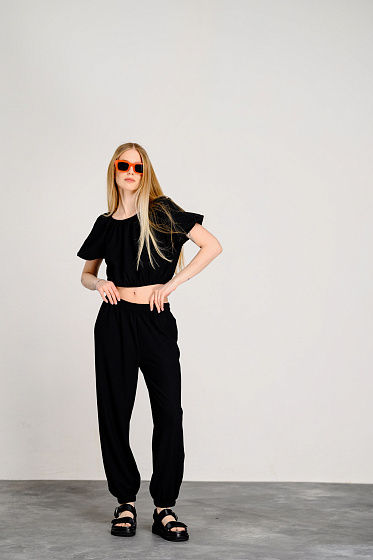
The versatility of the trench coat allows for countless outfits. For a casual style, pair it with jeans, a basic T-shirt, and sneakers. For a more relaxed yet stylish look, throw the trench coat over a comfortable suit, like {{anchor}}, and your outfit for a stroll is ready.
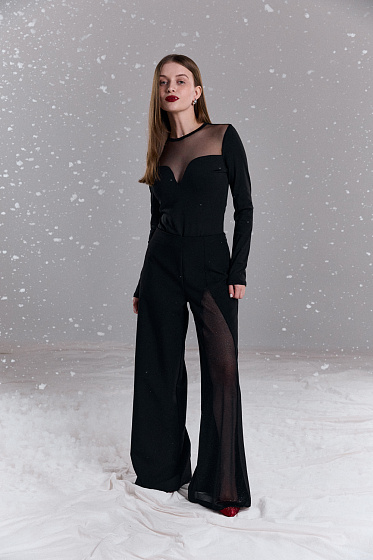
In the office, the trench coat will be the perfect finishing touch to a business look. It looks great over a classic suit or elegant palazzo pants. For example, wear it with pants like {{anchor}} and a silk blouse to create a sophisticated and professional ensemble.
For an evening out, the trench coat can be elegantly draped over the shoulders over a cocktail dress or a striking outfit. It will add a touch of mystery and protect from the evening chill. Imagine how stylish it will look with a bright and bold outfit, such as {{anchor}}, creating an intriguing contrast.
Finishing Touches: Accessories and Proper Care
Accessories can completely transform an outfit with a trench coat. A silk scarf tied around the neck will add French charm, while a voluminous cashmere scarf will keep you warm on a cool day. Don't be afraid to experiment with the belt: you can tie it in a casual knot, leave it unfastened, or even replace it with a contrasting leather belt. A tote bag and loafers will create a business mood, while a small cross-body bag and ankle boots will create a more informal one.
To ensure your trench coat lasts for many years, proper care is essential. Most gabardine and wool models require professional dry cleaning. Store your trench coat on wide hangers to avoid shoulder deformation. Proper care is the key to ensuring that your investment in a classic piece maintains its impeccable appearance for a long time.
FAQ
How to choose a trench coat for your body type?
For a 'pear' body shape, A-line models are suitable. For an 'apple' shape, it's better to choose single-breasted, straight-cut trench coats. An 'hourglass' figure will look great with any trench coat, especially with a tightly cinched belt. Petite women should pay attention to cropped models to avoid overwhelming their silhouette.
Can a trench coat be worn in winter?
A classic trench coat is not designed for severe frosts, but it can be adapted. Choose wool models or those with a warm, removable lining. Also, use the layering principle: wear a warm sweater, a cashmere turtleneck, or even a thin down vest under your trench coat.
What is the most versatile trench coat color?
Beige or sand is a timeless classic that easily pairs with almost any color. Black, dark blue, and khaki are also considered versatile. These shades will be an excellent foundation for your wardrobe.
How to stylishly tie the belt on a trench coat?
Besides the classic method using the buckle, try tying the belt in a casual knot at the front or back to create a more relaxed look. If you wear the trench coat unbuttoned, you can tie the ends of the belt into knots and tuck them into the pockets.
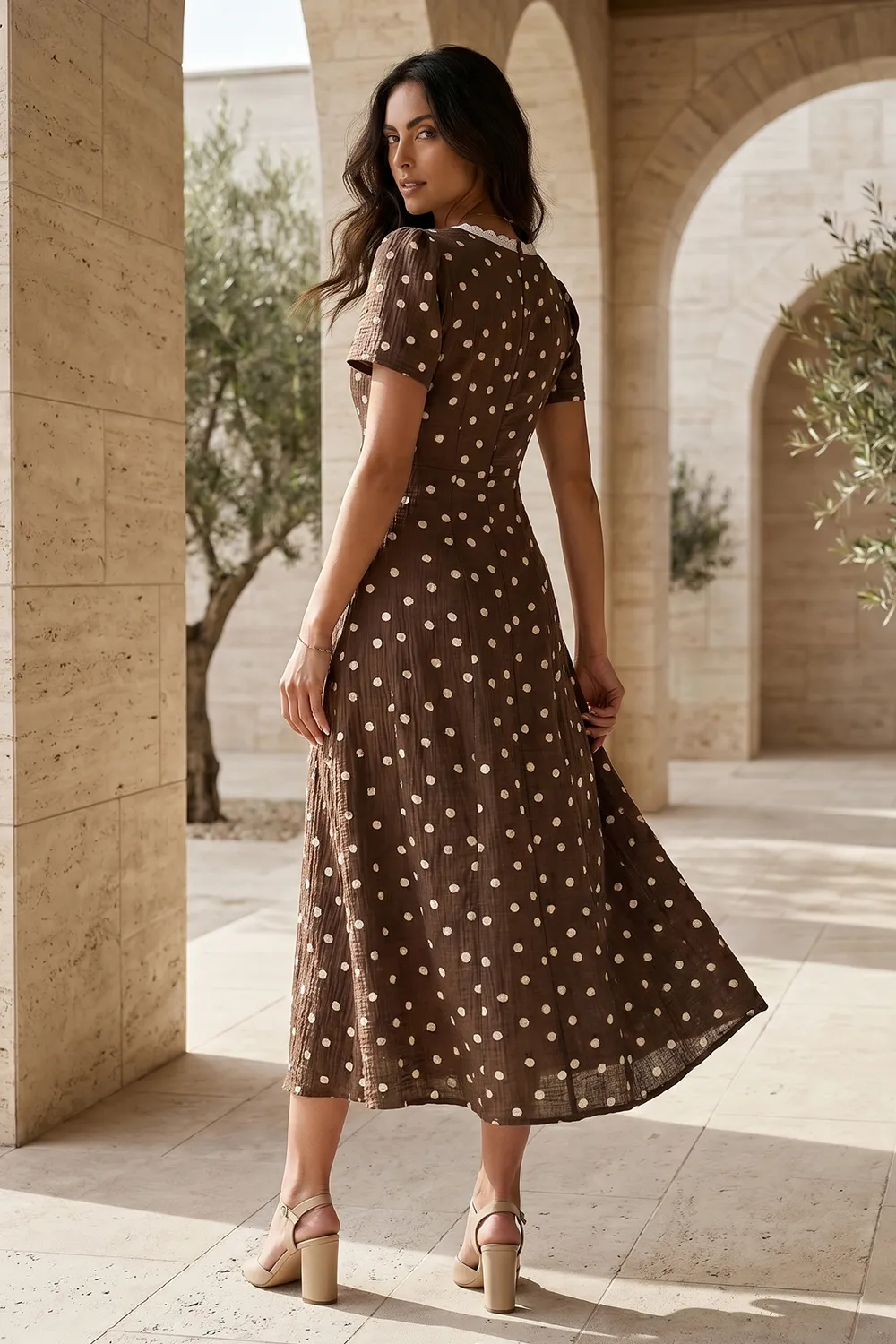 Effortless Chic: Dresses and Jumpsuits for Modern Minimalism
Discover how to achieve a sophisticated and minimalist look with dresses and jumpsuits. This article explores key style principles: clean lines, qu...
Effortless Chic: Dresses and Jumpsuits for Modern Minimalism
Discover how to achieve a sophisticated and minimalist look with dresses and jumpsuits. This article explores key style principles: clean lines, qu...
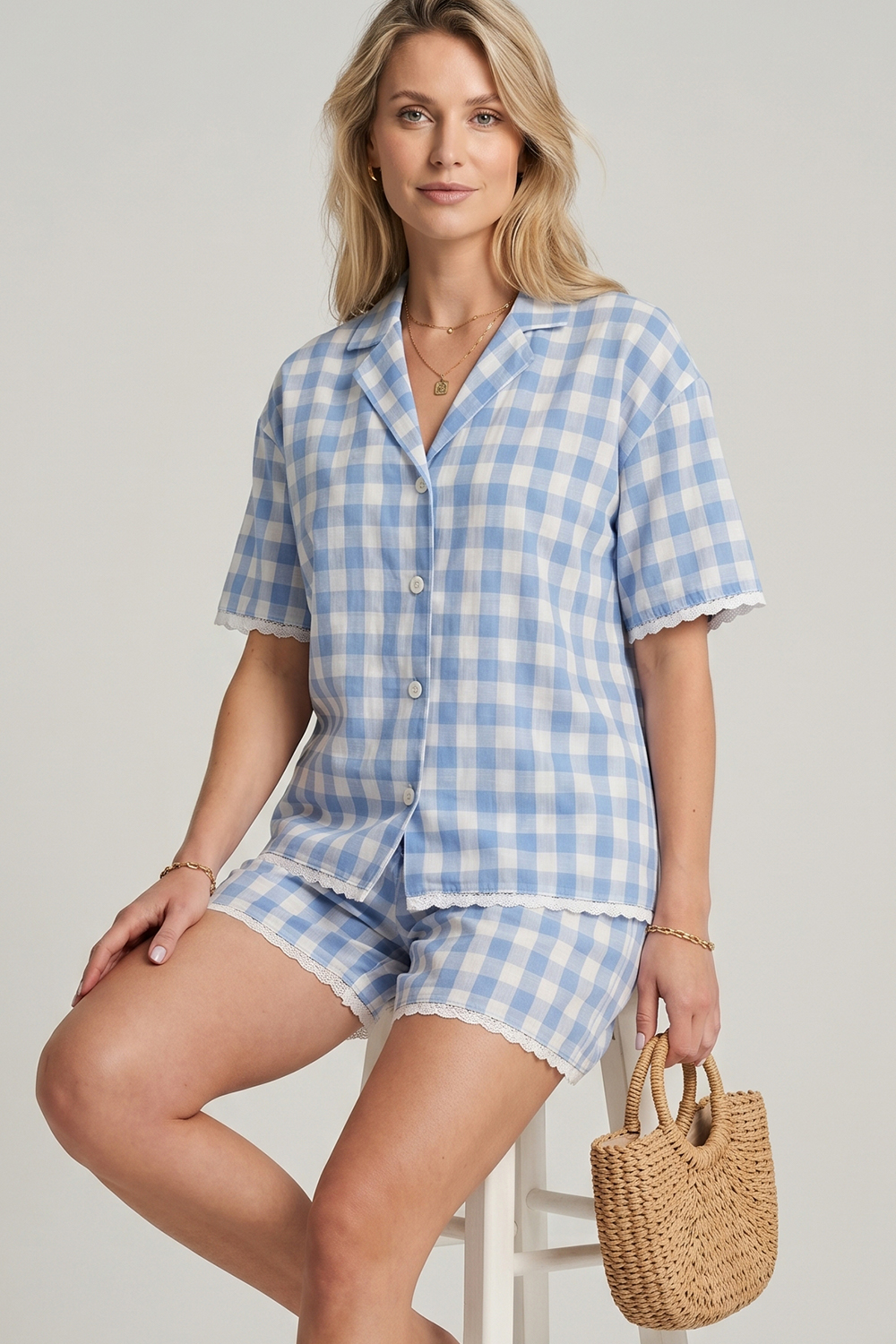 Athletic Aesthetics: How Sportswear Shapes Contemporary Fashion
We explore how innovative sportswear design principles – from high-tech fabrics to ergonomic cuts – are permeating high fashion and transforming ou...
Athletic Aesthetics: How Sportswear Shapes Contemporary Fashion
We explore how innovative sportswear design principles – from high-tech fabrics to ergonomic cuts – are permeating high fashion and transforming ou...
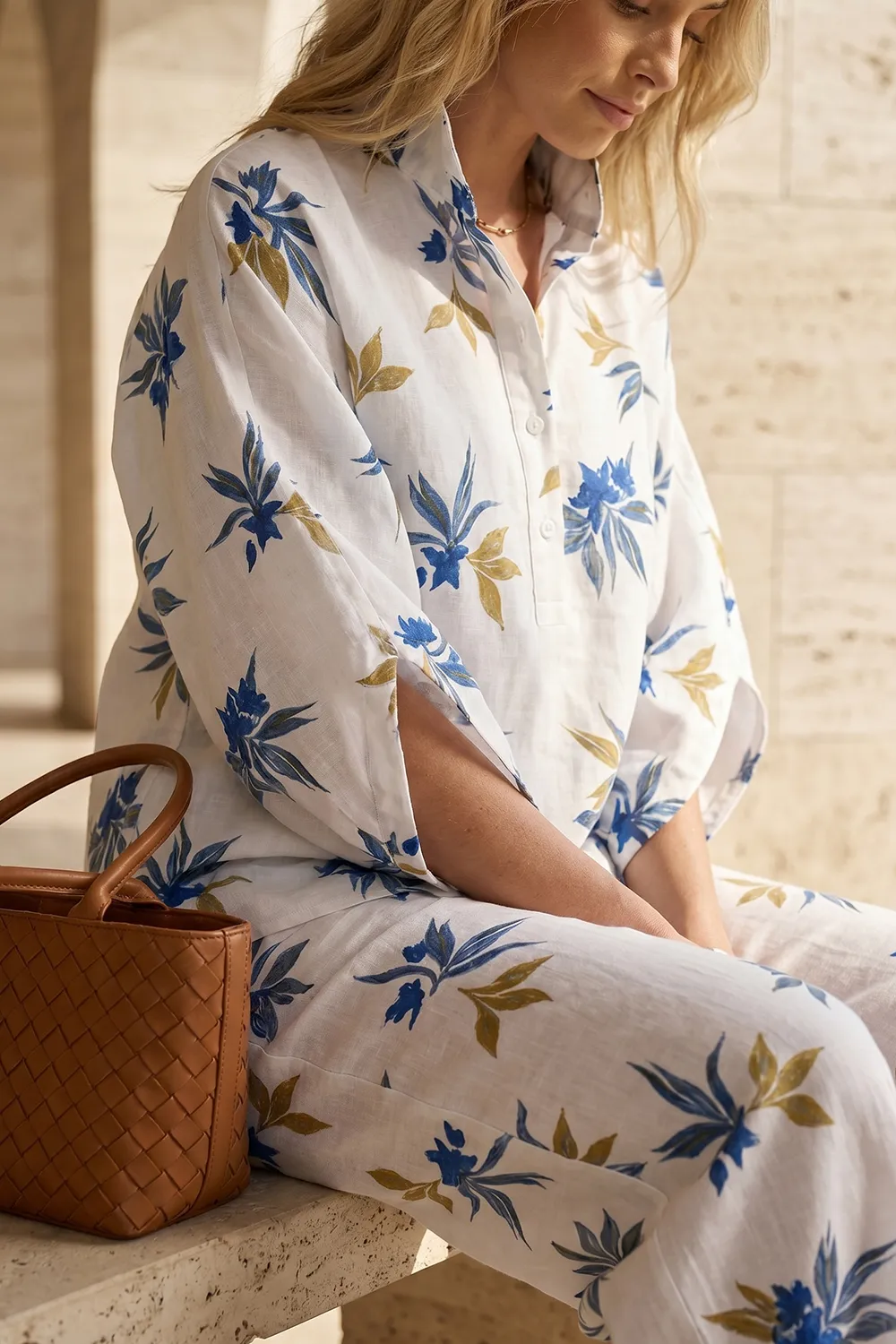 The Versatile Suit: Mastering Modern Style from Day to Night
Forget the stereotypes that a suit is only for the office. We'll show you how to style a classic suit for dates, exhibitions, meetings with fr...
The Versatile Suit: Mastering Modern Style from Day to Night
Forget the stereotypes that a suit is only for the office. We'll show you how to style a classic suit for dates, exhibitions, meetings with fr...