
 Free delivery in Ukraine upon full payment of the order
  Return of goods within 14 days

The Blouse's Silent Language: What Fabric and Cut Reveal About Your Mood
Discover how the fabric, cut, and styling of a blouse communicate your mood and personality. This practical guide helps you master the silent language of fashion for balanced, effortlessly repeatable outfits.
The Blouse's Silent Language: What Fabric and Cut Reveal About Your Mood
Decoding the Silhouette: Where Style Decisions Begin
A blouse communicates its message long before individual details are noticed. This "silent language" is primarily conveyed through its silhouette, making proportion, length, and shoulder line crucial starting points for any styling decision. These foundational elements determine whether an outfit remains composed and elegant through a full day of movement, commuting, sitting, and layering. When the silhouette is clear and intentional, the blouse effortlessly pairs with flats, a streamlined outer layer, and a medium-sized bag, avoiding the need for high-effort, specific styling scenarios. To truly assess a blouse, test it against your actual wardrobe routine, not just an idealized image. A well-chosen piece integrates naturally with your existing t-shirts, tops, bodysuits, and longsleeves, creating a deliberate, calm, and easily repeatable look.
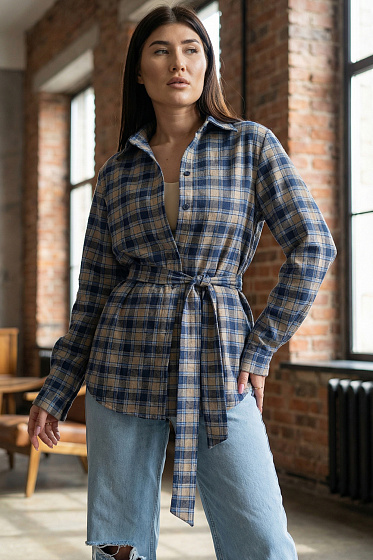
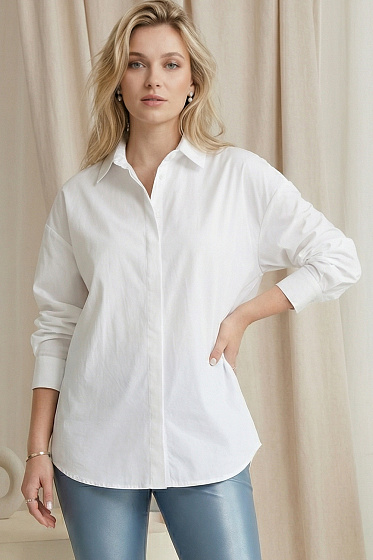
Begin by reviewing the Blouses & Shirts collection, focusing on how proportion, length, and shoulder line are handled, rather than just reacting to color or image mood. This approach helps determine if a new piece will complement your current wardrobe or demand overly precise accessories. Consider examples like a checked pink shirt or an oversized white shirt with a belt not as literal outfits to copy, but as illustrations of fit logic, length balance, and emphasis. Once this logic is understood, repeating the look becomes effortless, transforming the blouse from a one-time attraction into a reliable wardrobe essential.
The Whisper of Fabric: How Texture and Movement Shape Your Message
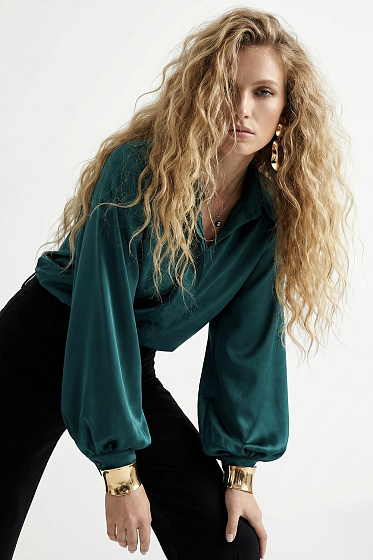
Just as important as silhouette, the fabric and its texture speak volumes about a blouse's character and how it interacts with your body. The movement and perceived density of the material dictate whether an outfit maintains its composure throughout the day, from morning commutes to evening engagements. A well-chosen fabric ensures the blouse works seamlessly with various styling elements – from casual flats to a clean outer layer and a practical bag – without requiring a complex, high-maintenance ensemble. The true test of a blouse's fabric lies in its ability to integrate into your daily routine, sitting naturally alongside your t-shirts, tops, bodysuits, and longsleeves, creating a cohesive and repeatable aesthetic.
Examine this piece to observe how fabric movement and density contribute to its overall impression, rather than focusing solely on its color or the image's mood. This helps you evaluate if the blouse will support your existing wardrobe or if it will require specific accessories to make sense. Use examples like a checked pink shirt or an oversized white shirt with a belt to understand how different fabrics influence fit, length balance, and overall emphasis. This clarity allows you to repeat looks effortlessly, making the blouse a versatile and enduring tool in your wardrobe.
Composing the Look: The Role of Accessories and Layers
The silent language of a blouse is completed by the supporting cast of shoes, bags, and outer layers. These elements are crucial in determining whether an outfit remains composed and polished through a full day of activity. When chosen thoughtfully, they enhance the blouse's inherent style, allowing it to work effortlessly with simple flats, a clean jacket, and a practical medium-sized bag. This approach avoids the need for elaborate styling, ensuring the blouse integrates naturally with other wardrobe categories like t-shirts, tops, bodysuits, and longsleeves, creating a deliberate, calm, and easily repeatable aesthetic.
Review the T-shirts, Tops, Bodysuit, Longsleeves collection to see how the interplay of shoes, bags, and outer layers contributes to a cohesive look, rather than just reacting to individual garment colors or image moods. This helps you assess if a blouse will complement your existing pieces or demand overly specific accessories. Use concrete examples, such as a checked pink shirt or an oversized white shirt with a belt, to understand how these supporting elements influence fit logic, length balance, and the overall emphasis of an outfit. Once this understanding is clear, repeating stylish looks becomes simple, transforming the blouse into a reliable and versatile wardrobe staple.
Adapting to Scenarios: From Day to Evening
A truly versatile blouse speaks a language that adapts to various scenarios, effortlessly transitioning from a calm daytime setting to a sharper evening mood. This adaptability is key to maintaining a composed outfit throughout a dynamic day. When a blouse can fluidly shift its context, it works well with a range of footwear, outer layers, and bags, eliminating the need for a completely new, high-effort styling scenario for each occasion. The most effective blouses are those that integrate seamlessly into your real wardrobe routine, complementing t-shirts, tops, bodysuits, and longsleeves without creating a disjointed "catalog collage." This thoughtful integration results in a deliberate, calm, and easily repeatable style.
Consider this piece to observe how it can transition from a relaxed day look to a more refined evening ensemble, rather than focusing solely on its color or the image's mood. This exercise helps determine if a blouse will support your existing wardrobe for various occasions or if it will require overly specific accessories to make sense. Use concrete examples, such as a checked pink shirt or an oversized white shirt with a belt, to understand how fit logic, length balance, and emphasis can be adapted for different scenarios. Once this logic is clear, repeating versatile looks becomes effortless, turning the blouse into a powerful and reliable wardrobe tool.
Avoiding Misinterpretations: Common Styling Mistakes
The silent language of a blouse can be distorted by common styling mistakes that flatten the overall impression. Excess detail, awkward length, and random combinations are key culprits that can undermine an outfit's composed feel throughout the day. When these elements are managed effectively, a blouse can work harmoniously with simple flats, a clean outer layer, and a practical medium-sized bag, rather than demanding a complex, high-effort styling solution. The most effective approach is to test blouses against your real wardrobe routine, ensuring they integrate naturally with t-shirts, tops, bodysuits, and longsleeves, creating a deliberate, calm, and easily repeatable look.
Review this piece to understand how to avoid pitfalls like excess detail, awkward length, or random combinations, rather than just reacting to its color or the image's mood. This helps you assess if a blouse will complement your existing wardrobe or if it will require overly precise accessories to make sense. Use concrete examples, such as a checked pink shirt or an oversized white shirt with a belt, to understand how fit logic, length balance, and emphasis can prevent styling errors. Once this logic is clear, repeating looks becomes effortless, transforming the blouse from a one-time attraction into a reliable wardrobe tool.
FAQ
How do you know that blouses & shirts does not feel overloaded?
Check proportion, length and layering first: if the piece works with simple shoes and does not need constant accessory rescue, the balance is already in a healthy place.
Can blouses & shirts sit well next to t-shirts, tops, bodysuit, longsleeves?
Yes, as long as the roles stay distinct. One category should define the line, while the other supports it with structure or calm layering rather than competing for total focus.
Why review examples such as a checked pink shirt?
Not to copy a ready-made look, but to judge fit, length, detail scale and whether the piece can function inside your real wardrobe rhythm.
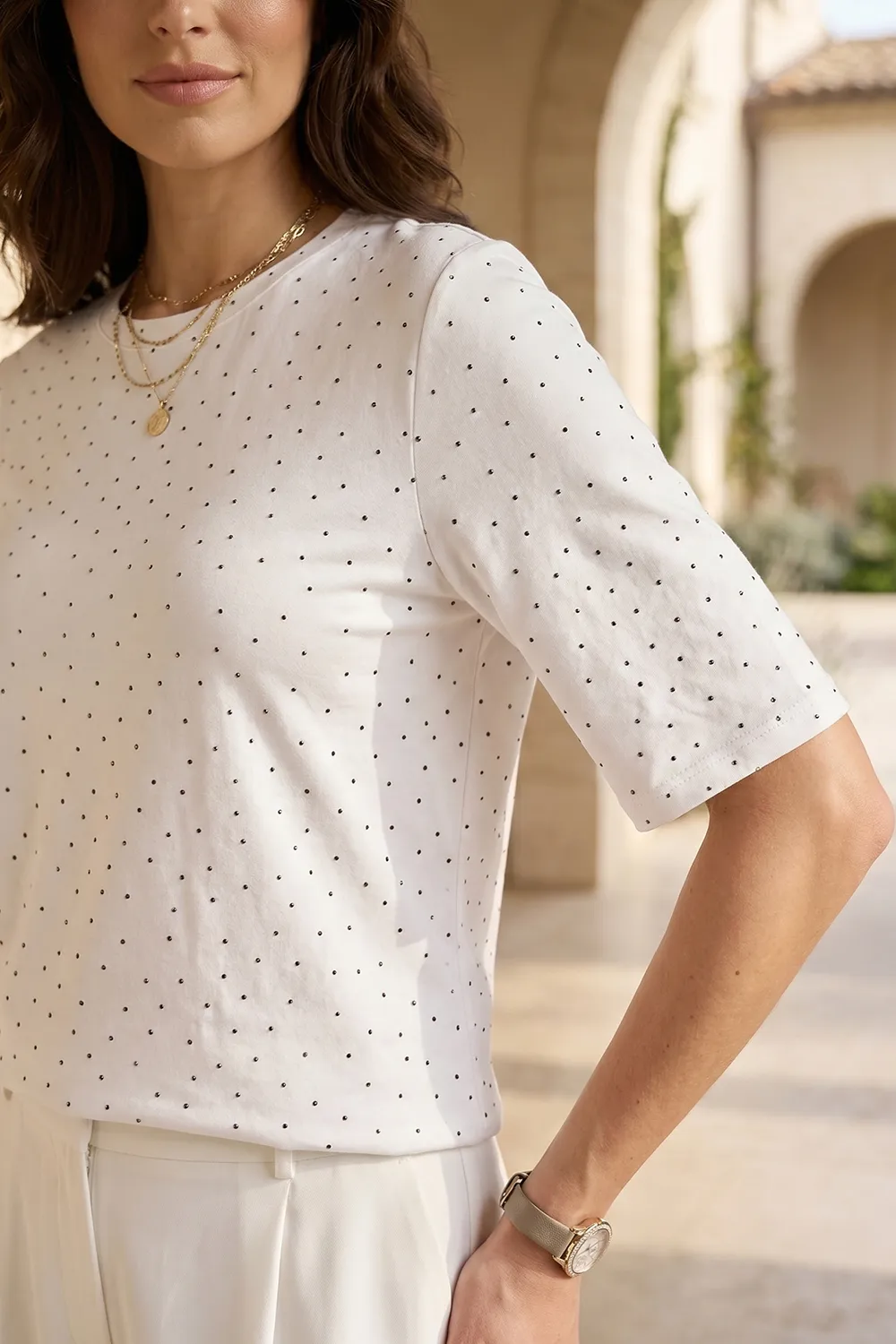 The Statement Top: How Unexpected Details Elevate Your Everyday Style
A practical editorial guide to wearing t-shirts, tops, bodysuit, longsleeves with more balance and repeatability.
The Statement Top: How Unexpected Details Elevate Your Everyday Style
A practical editorial guide to wearing t-shirts, tops, bodysuit, longsleeves with more balance and repeatability.
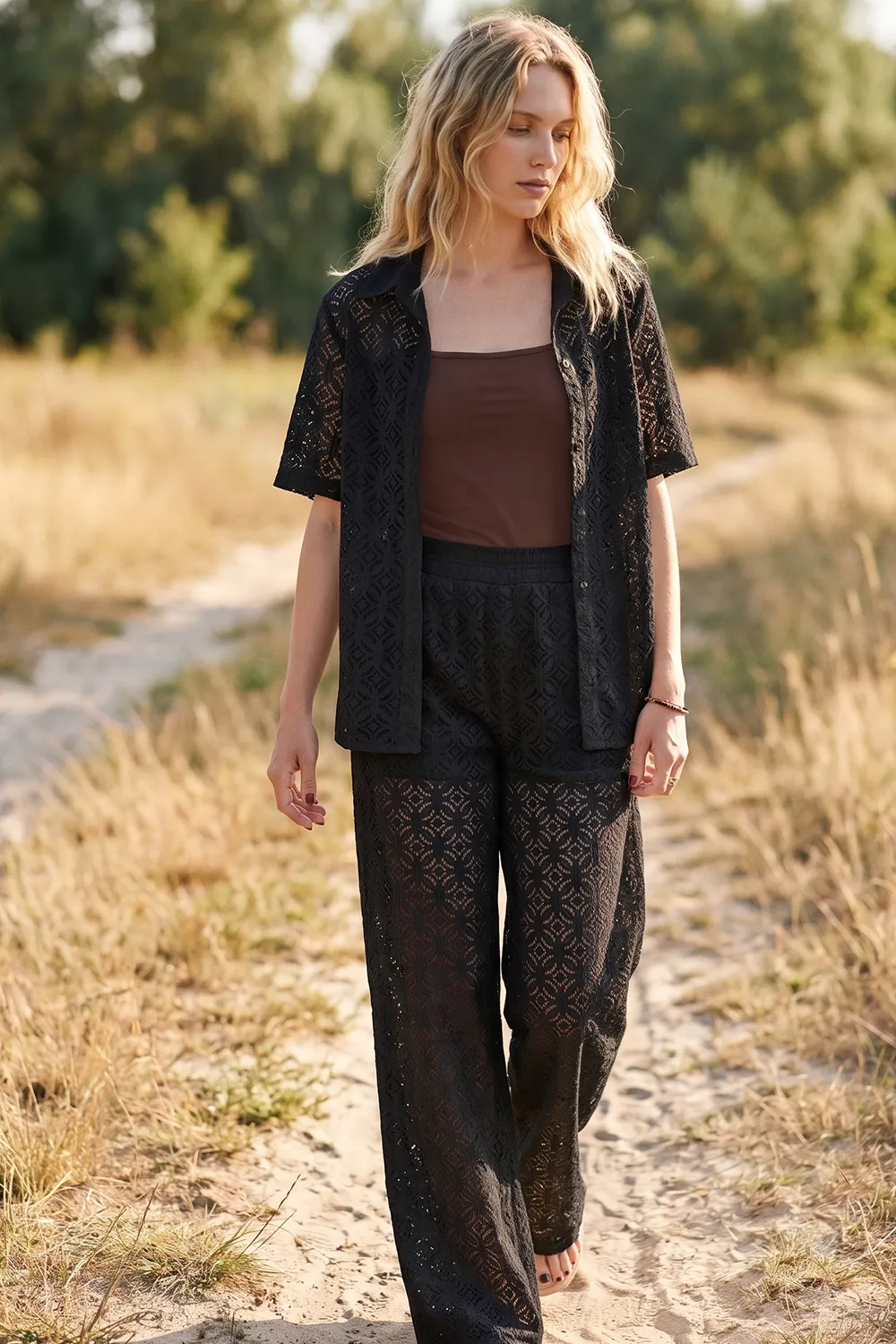 Sportswear's Urban Takeover: Elevating Everyday Style
A practical editorial guide to wearing sportswear with more balance and repeatability.
Sportswear's Urban Takeover: Elevating Everyday Style
A practical editorial guide to wearing sportswear with more balance and repeatability.
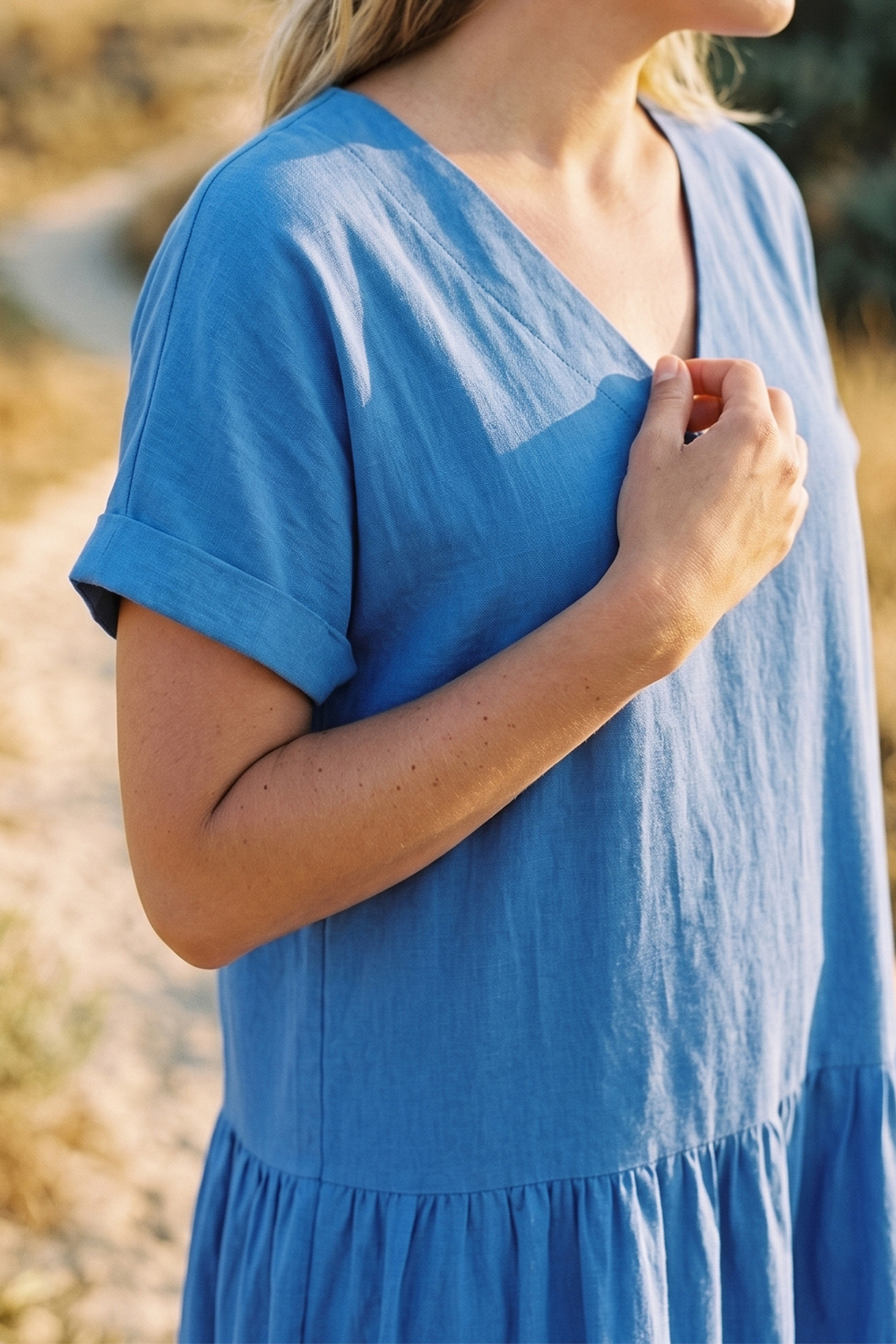 Achieving the Perfect Fit: A Guide to Dress and Jumpsuit Lengths
A practical editorial guide to wearing dresses and jumpsuits with more balance and repeatability.
Achieving the Perfect Fit: A Guide to Dress and Jumpsuit Lengths
A practical editorial guide to wearing dresses and jumpsuits with more balance and repeatability.