
 Free delivery in Ukraine upon full payment of the order
  Return of goods within 14 days

The Unseen Architect: How Fabric Shapes the Silhouette of Dresses and Jumpsuits
Discover how fabric type – from crisp suiting to flowing silk – dictates the silhouette, fit, and style of your dress or jumpsuit. Our guide will help you choose the ideal material for any occasion.
The Unseen Architect: How Fabric Shapes the Silhouette of Dresses and Jumpsuits
Introduction: Why Fabric is the Foundation of Everything
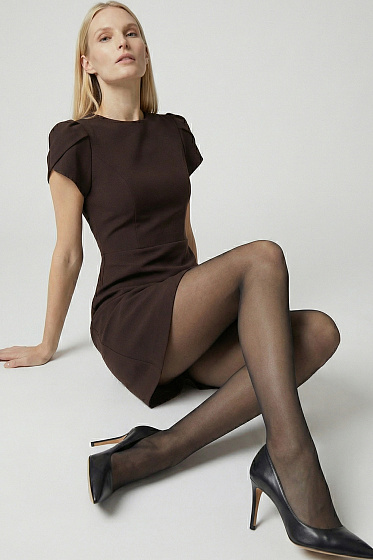
When choosing a dress or jumpsuit, we often first pay attention to color, print, and style. However, there's one invisible yet crucial factor that determines how an item will fit, move, and feel on the body: the fabric. Material is not just the basis for the cut; it's a true architect that creates the silhouette. Its density, plasticity, and texture dictate whether an outfit will hold a strict shape, flow in soft waves, or hug the figure like a second skin. Understanding the properties of different fabrics is key to choosing the perfect piece that will highlight your best features and be appropriate for any situation.
Sculptural Forms: The Power of Dense Fabrics
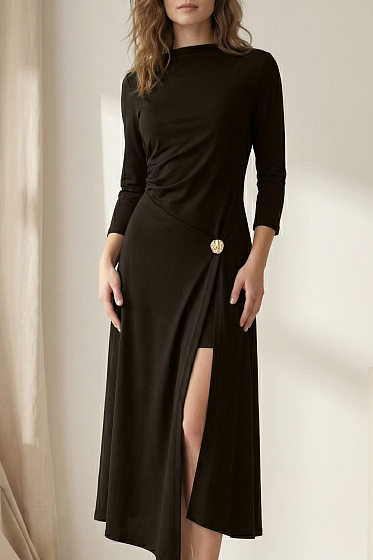

Soft Draping: The Magic of Flowing Materials
Comfort and Perfect Fit: The Role of Elastic Fabrics
Choosing Fabric for the Occasion and Proper Care
The right fabric choice depends not only on the desired silhouette but also on the occasion. For the office and business meetings, smooth suiting fabrics and dense knitwear are suitable. For a formal event, choose silk, satin, or velvet. And for everyday wear and leisure, there's nothing better than cotton, linen, or viscose. To ensure your favorite item lasts a long time, it's important to remember about care. Structured fabrics often require delicate washing or dry cleaning. Flowing materials like silk or viscose are best hand-washed in cool water. Elastic fabrics are sensitive to high temperatures, which can damage elastane fibers. Always pay attention to the care label – this will help preserve the original look and shape of your dress or jumpsuit.
FAQ
Which fabric is best for concealing figure flaws?
Dense, matte fabrics that hold their shape well (e.g., suiting fabric or thick knitwear) can help refine the silhouette. They don't cling too tightly to the body and create clearer lines. Flowing fabrics with draping can also successfully mask problem areas.
Why do dresses of the same style, but made from different fabrics, fit differently?
Because each fabric has its unique properties: density, elasticity, weight, and draping ability. A cotton dress will have a stiffer structure, a viscose one will softly flow around the figure, and a knit dress will stretch and conform precisely to the body. The material itself determines the final fit and appearance of the garment.
How should I care for dresses made from blended fabrics?
Always refer to the care label for instructions. A general rule for blended fabrics is to choose the most delicate wash cycle suitable for the 'most sensitive' component in the blend. For example, for a wool and polyester blend, choose the wool cycle.
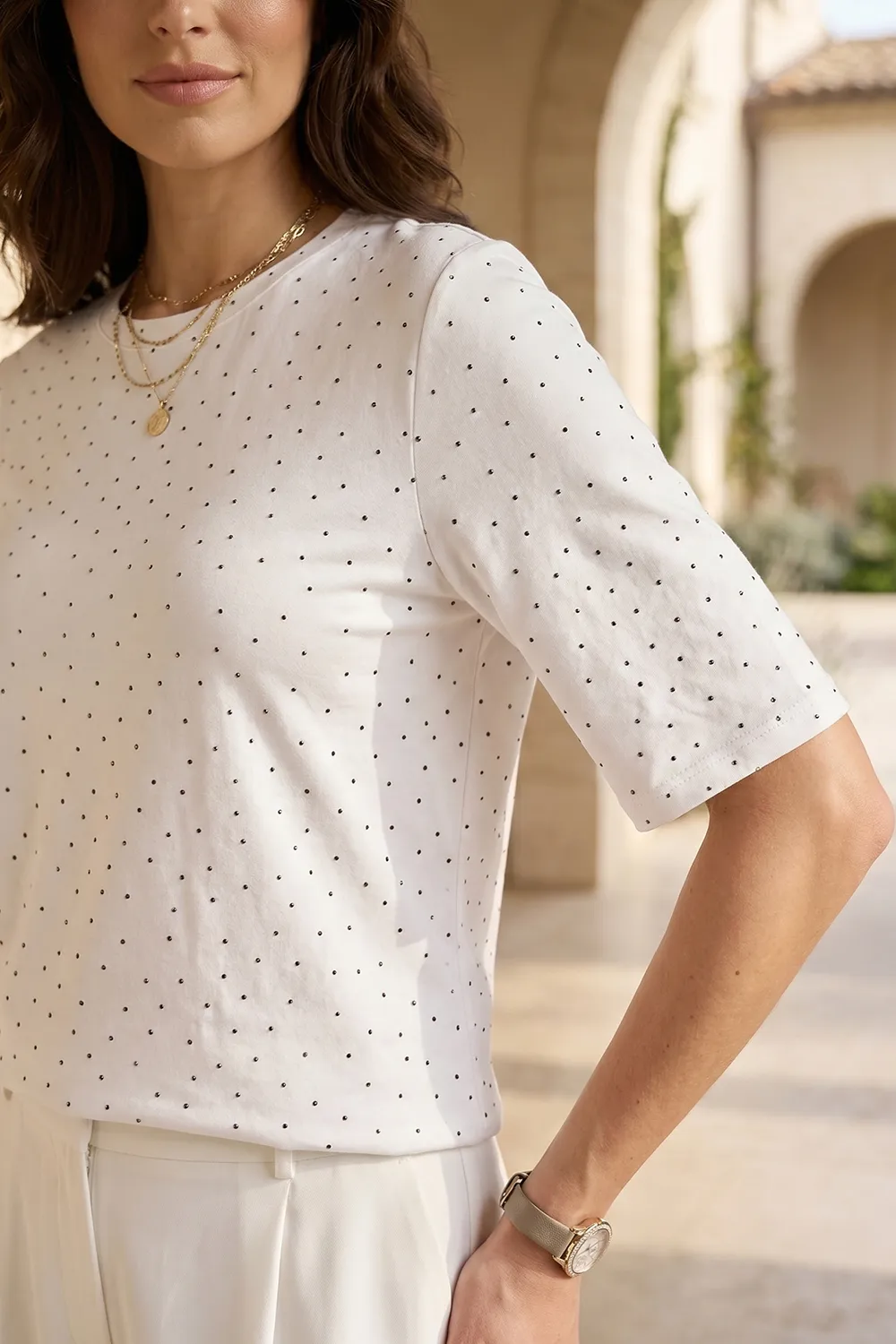 The Statement Top: How Unexpected Details Elevate Your Everyday Style
A practical editorial guide to wearing t-shirts, tops, bodysuit, longsleeves with more balance and repeatability.
The Statement Top: How Unexpected Details Elevate Your Everyday Style
A practical editorial guide to wearing t-shirts, tops, bodysuit, longsleeves with more balance and repeatability.
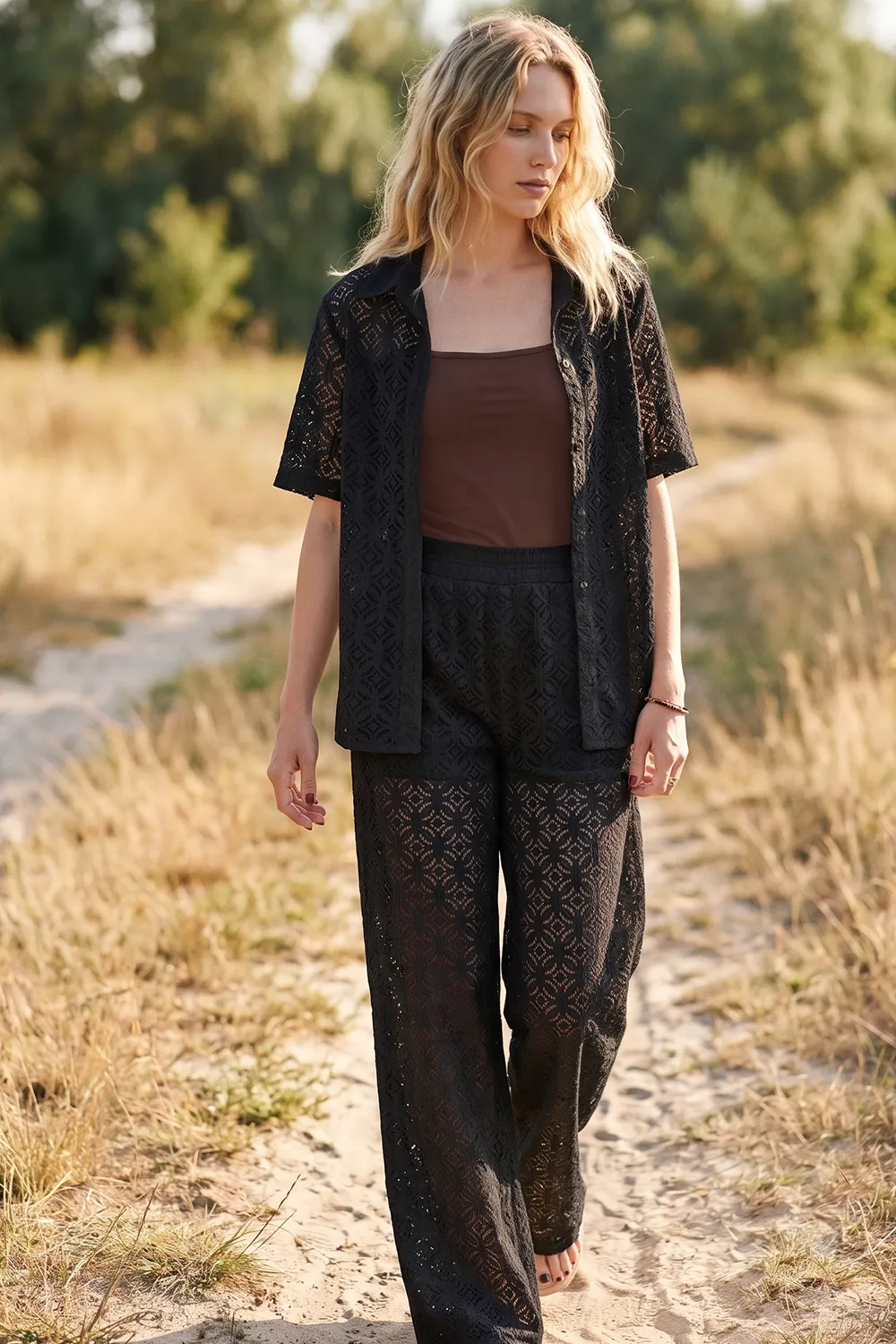 Sportswear's Urban Takeover: Elevating Everyday Style
A practical editorial guide to wearing sportswear with more balance and repeatability.
Sportswear's Urban Takeover: Elevating Everyday Style
A practical editorial guide to wearing sportswear with more balance and repeatability.
 Achieving the Perfect Fit: A Guide to Dress and Jumpsuit Lengths
A practical editorial guide to wearing dresses and jumpsuits with more balance and repeatability.
Achieving the Perfect Fit: A Guide to Dress and Jumpsuit Lengths
A practical editorial guide to wearing dresses and jumpsuits with more balance and repeatability.